
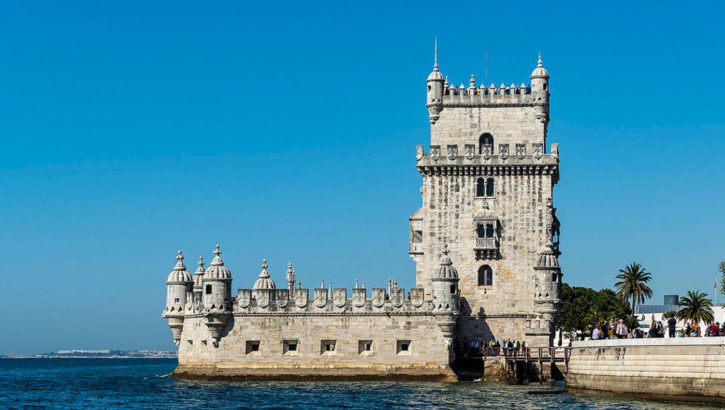
Belem Tower

This magnificent Tower was built using lime stones on the northern bank of the Tagus River,  around year 1515 and the purpose of it was protecting Lisbon from outsiders attack. This amazing architectural jewel is a UNESCO World Heritage visited by thousands of tourists daily while in Lisbon. Later this …
CONTINUE READING

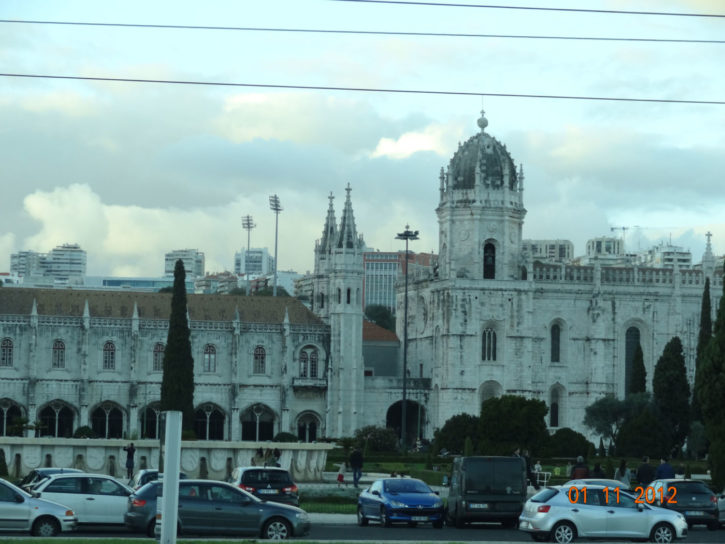
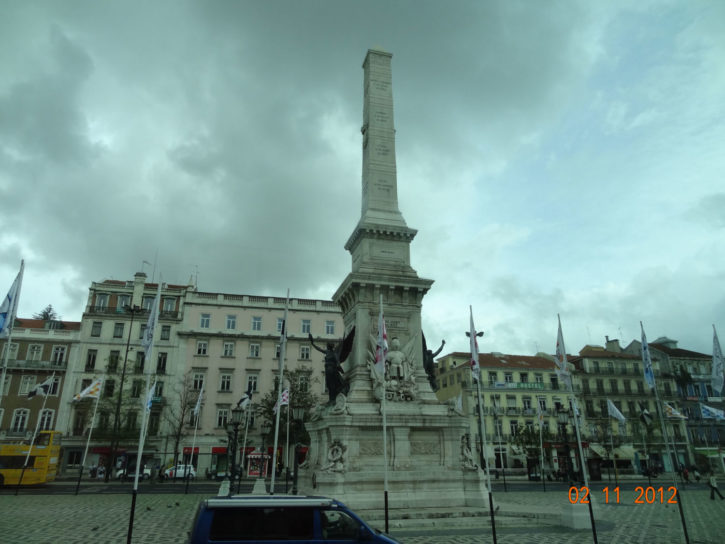
Monument to the Discoveries

In 1960, on the occasion of the commemoration of 500 years since the death of Prince  Henry the Navigator, the monument was reconstructed in concrete and rose-tinted Leiria stone, with sculptures made of Sintra limestone masonry. Discoveries Monument, built on the north bank of the Tagus river,  the place from …

CONTINUE READING

National Palace of Sintra – Lisbon City

National Palace of Sintra The Sintra National Palace, a UNESCO heritage site,  has a thousand over years old history, is the best-preserved medieval royal palace in Portugal and was a favorite with the Portuguese nobility. The original Moorish Palace became the property of the Portuguese Crown after the conquest of …

CONTINUE READING

Salamanca

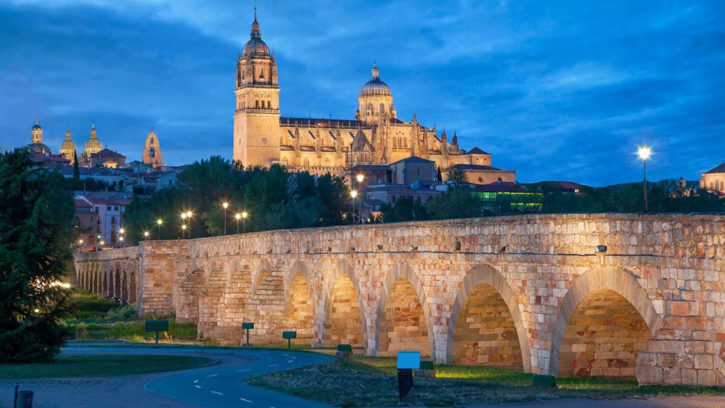
Located in the interior of Spain,  two hours drive from Madrid, Salamanca – the University  for  ‘purest’ form of Spanish language. There’s a multitude of language schools and students come from around the world to study the language here. Plus, Salamanca’s University attracts more than 2000 foreign students a year, …

CONTINUE READING

Avila – Ancient City of Romans

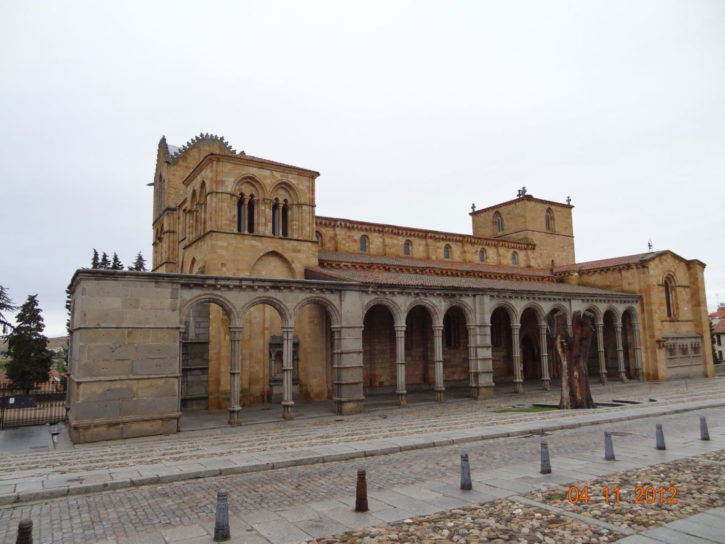
Avila, a UNESCO world heritage site,  was once part of the Roman Lusitania, before falling to Arab and Berber invaders in 714 CE.  For the next three and a half centuries the northern Iberian Christian kingdoms tried repeatedly to seize control of the city, but it was King Alfonso VI …

CONTINUE READING

Royal Palace & Sabatini Garden – Madrid

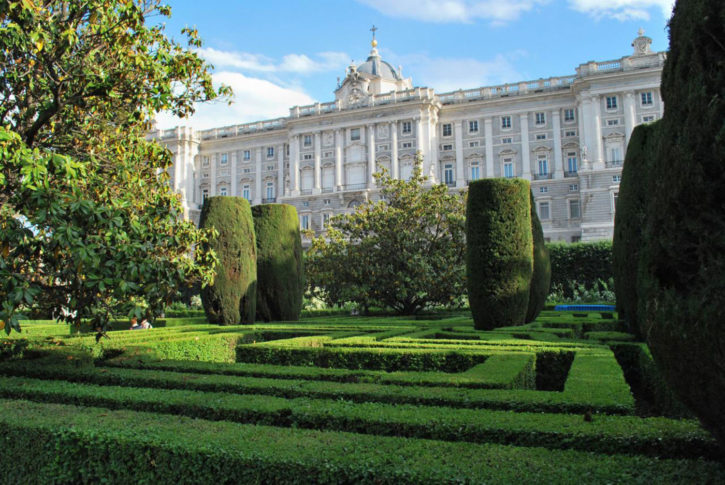
The present Royal Palace in Madrid was built on the location of an old Moorish Fortress built in 9th century by the Arab people who occupied Spain during the Middle Ages. This location was very important because of great strategic importance for the defense of the old Arab Citadel. After …

CONTINUE READING

Plaza de Espana – MADRID

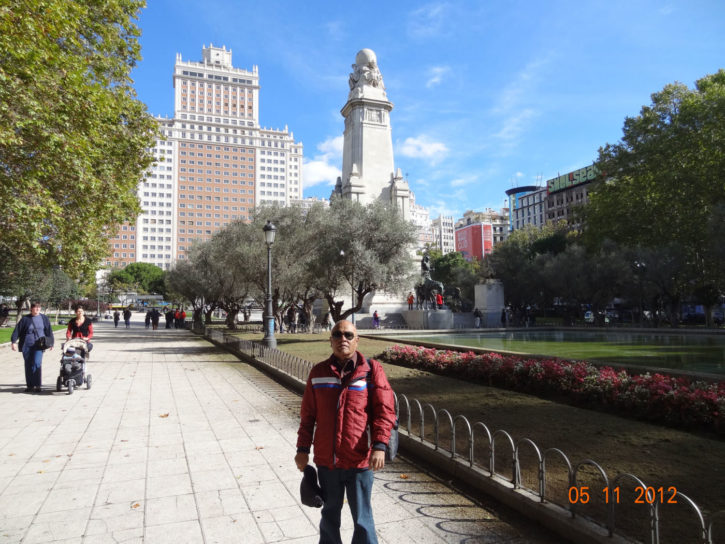
The largest Public Square in central Madrid, Plaza De Espana is the most popular place filled with imposing monuments, statues, trees and old sculptures. A large fountain and two of the city’s most striking skyscrapers highlights the importance of this square which is always bustling with locals and tourists and …

CONTINUE READING

Puerto del sol – Madrid

This is a junction for many of the city’s historical and busiest streets such as Mayor, Arenal, Alcala and Preciados, as well as the starting point for all major radial roads in Spain, one of the city’s most famous square. The official symbol of the city, the statue of a …

CONTINUE READING

Zaragoza – Madrid

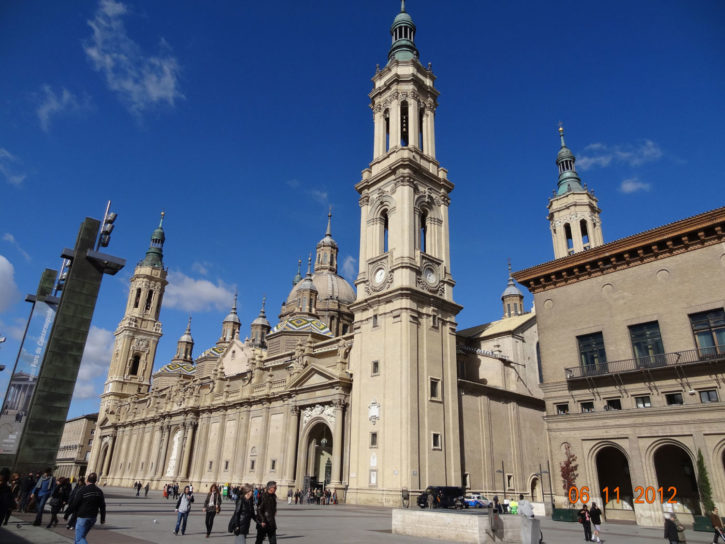
Zaragoza is the capital of Spain’s autonomous region of Aragon, which used to be its own kingdom. It’s home to lots of grand monuments, palaces, Cathedrals,  and houses. Overlooking the Ebro River in the city center is baroque Nuestra Senora del Pilar basilica, a famous pilgrimage site with a shrine …

CONTINUE READING

Gaudi Architecture

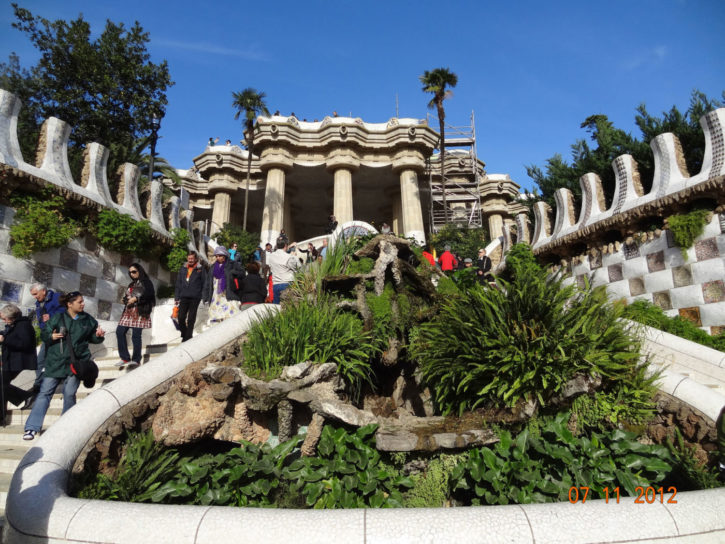
Antoni Gaudí was born in Reus in 1852 and received his Architectural degree in 1878. Gaudí adorned many of his buildings with coloured tiles arranged in mosaic patterns. This adds another important dimension to his buildings which is so often overlooked by architects – the use of colour. The combination …

CONTINUE READING