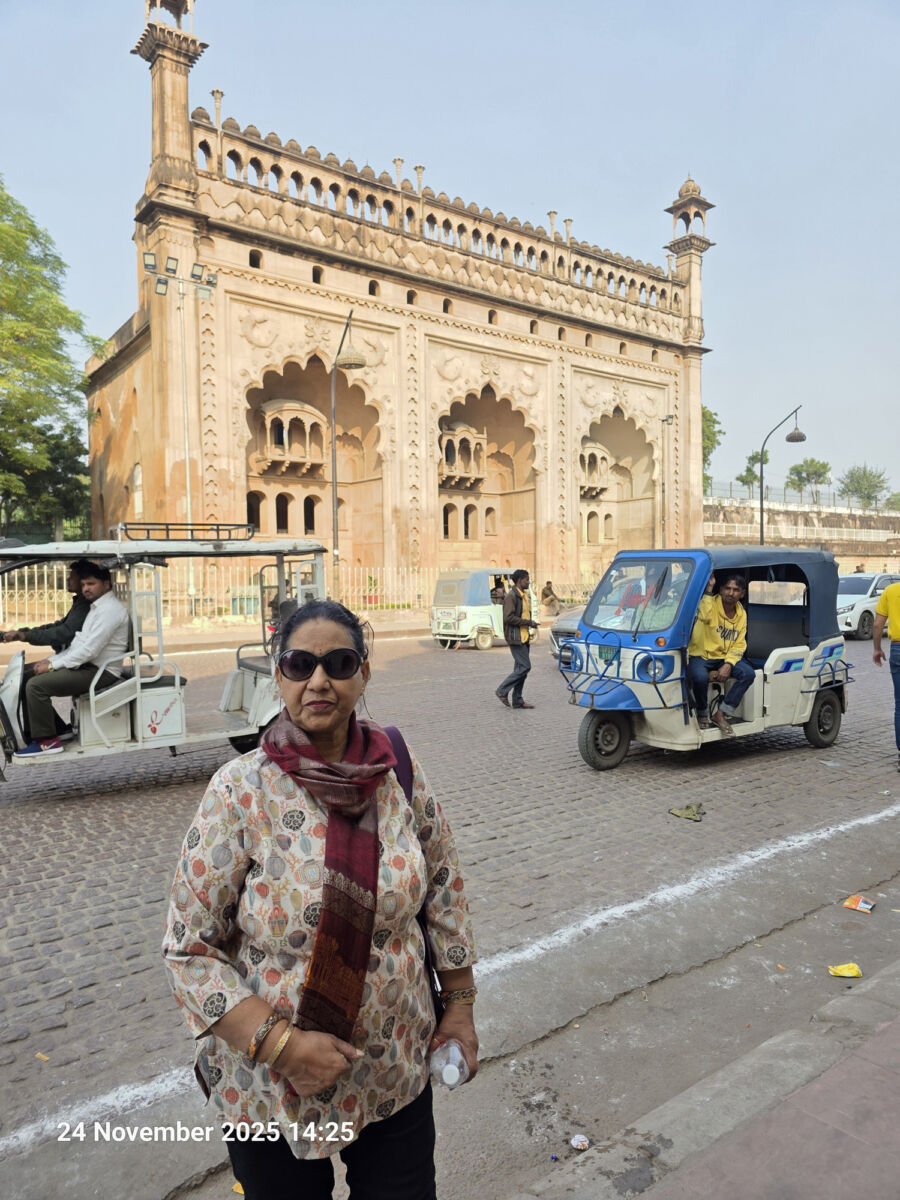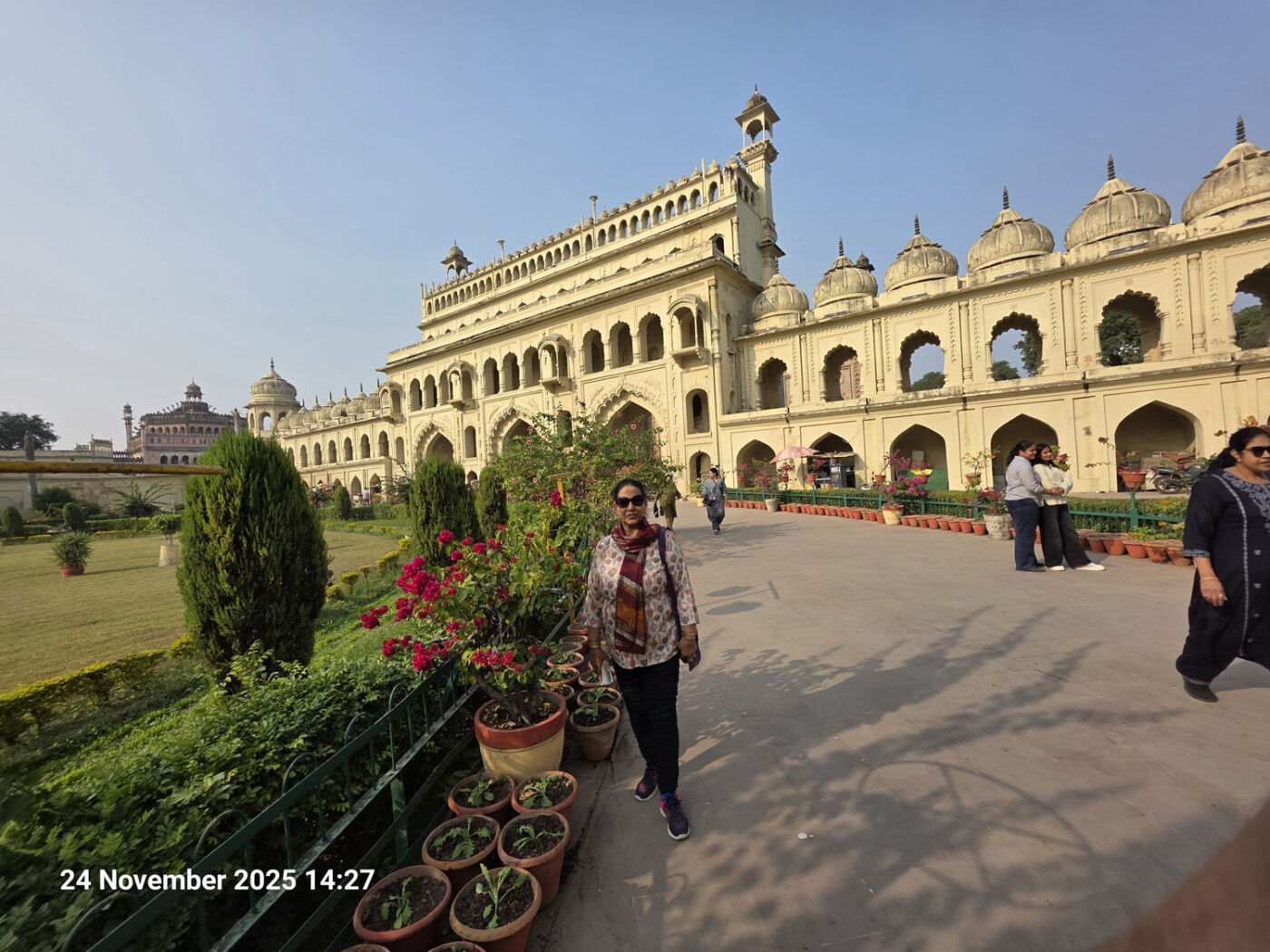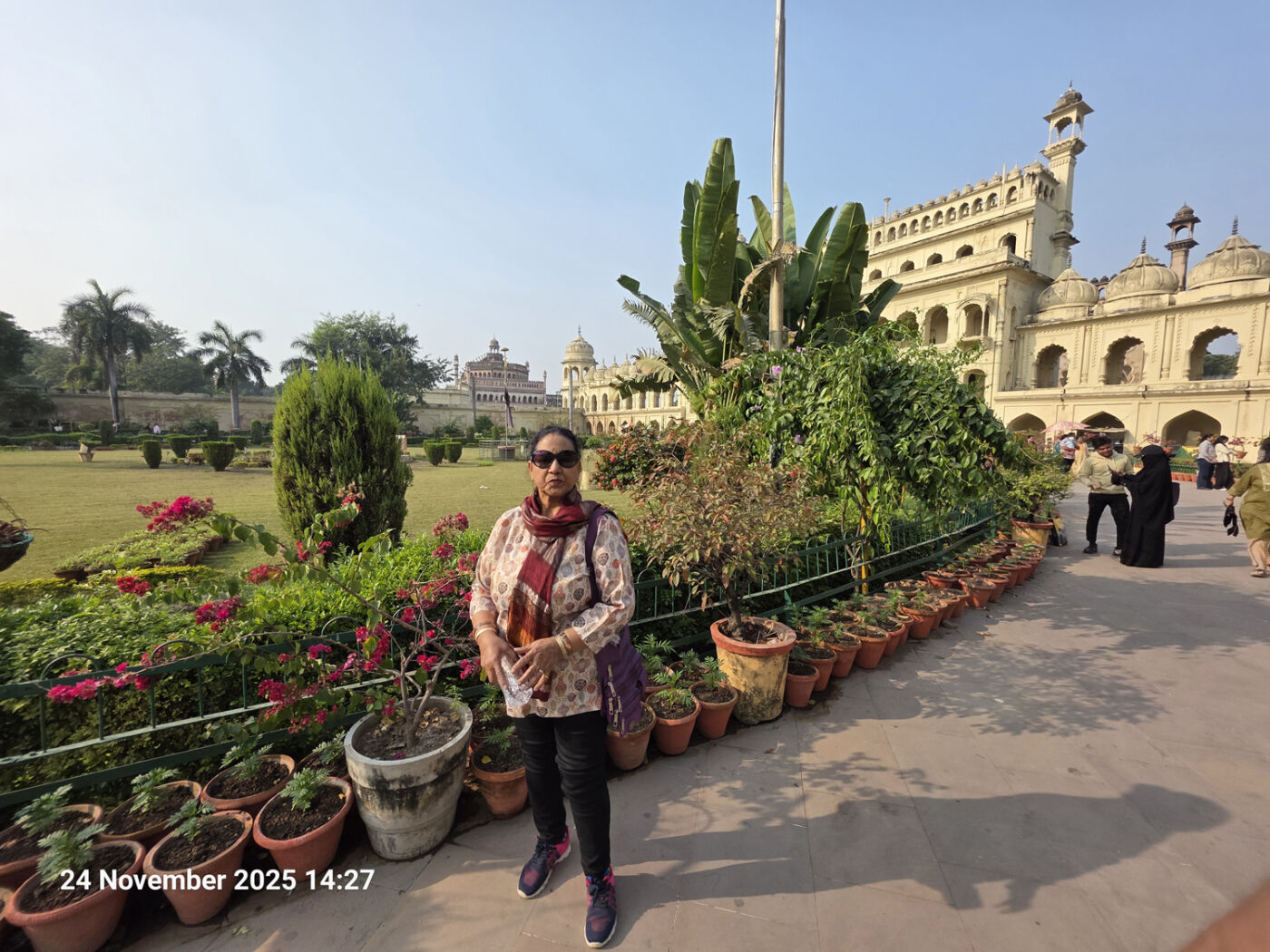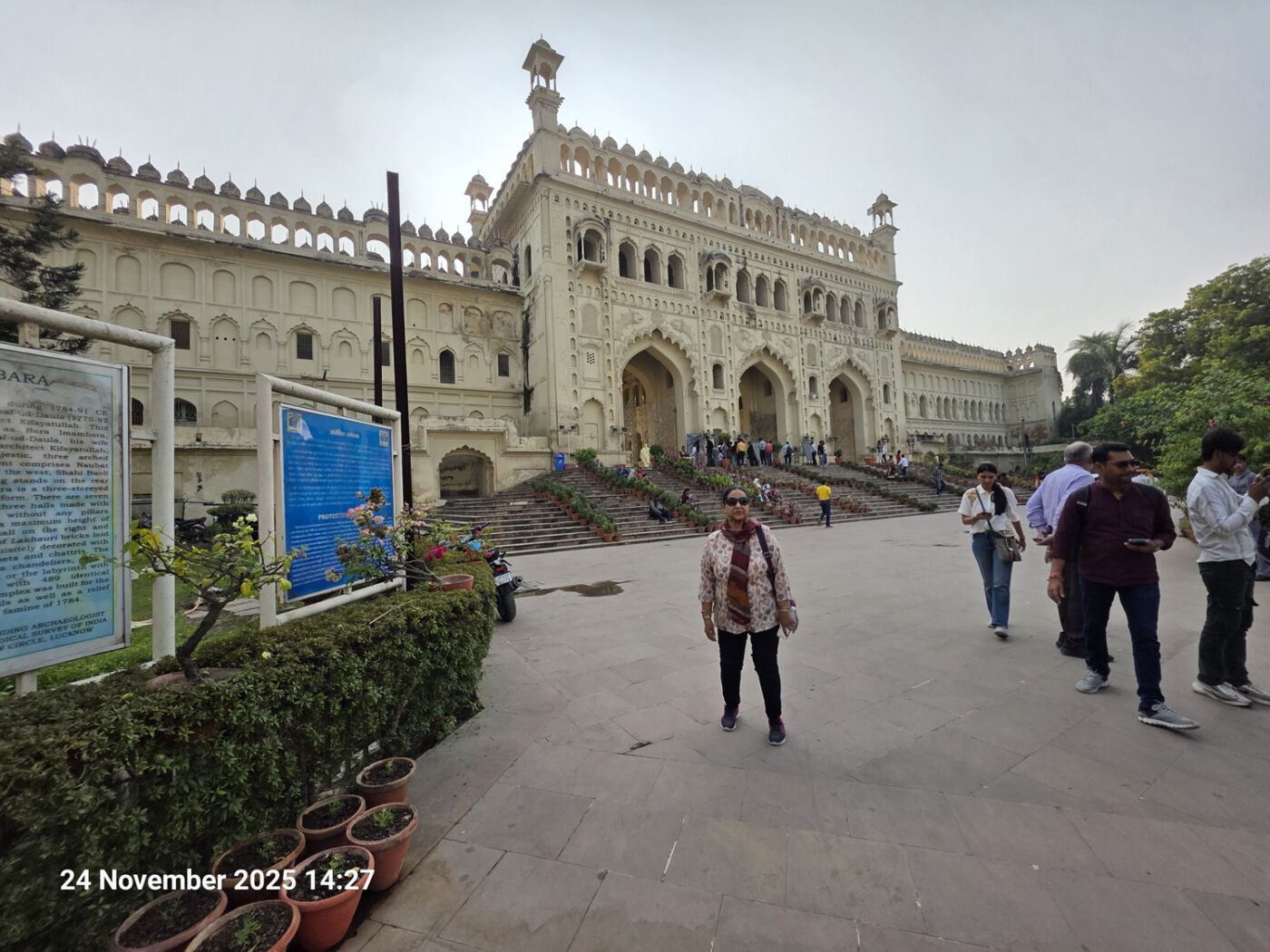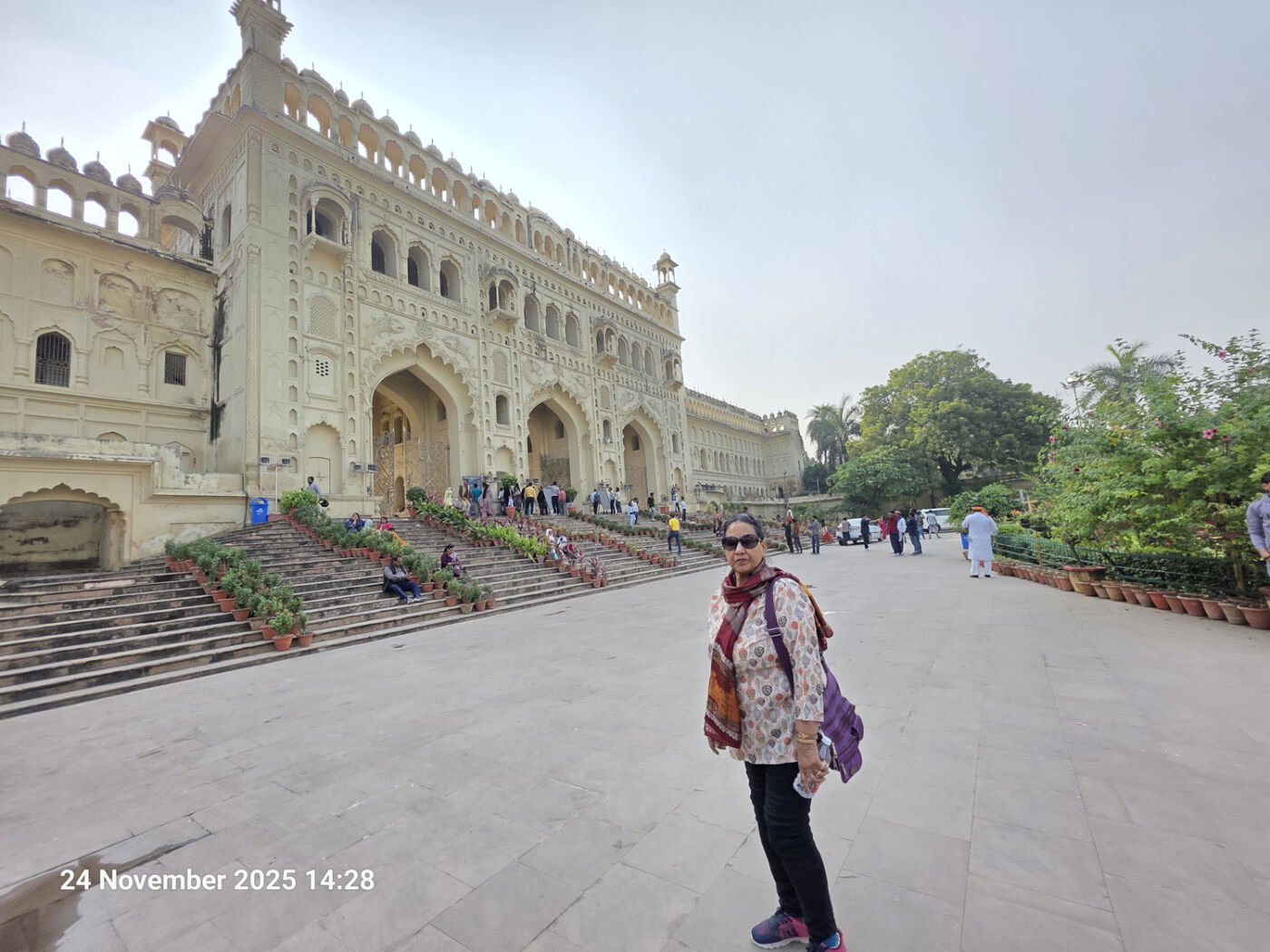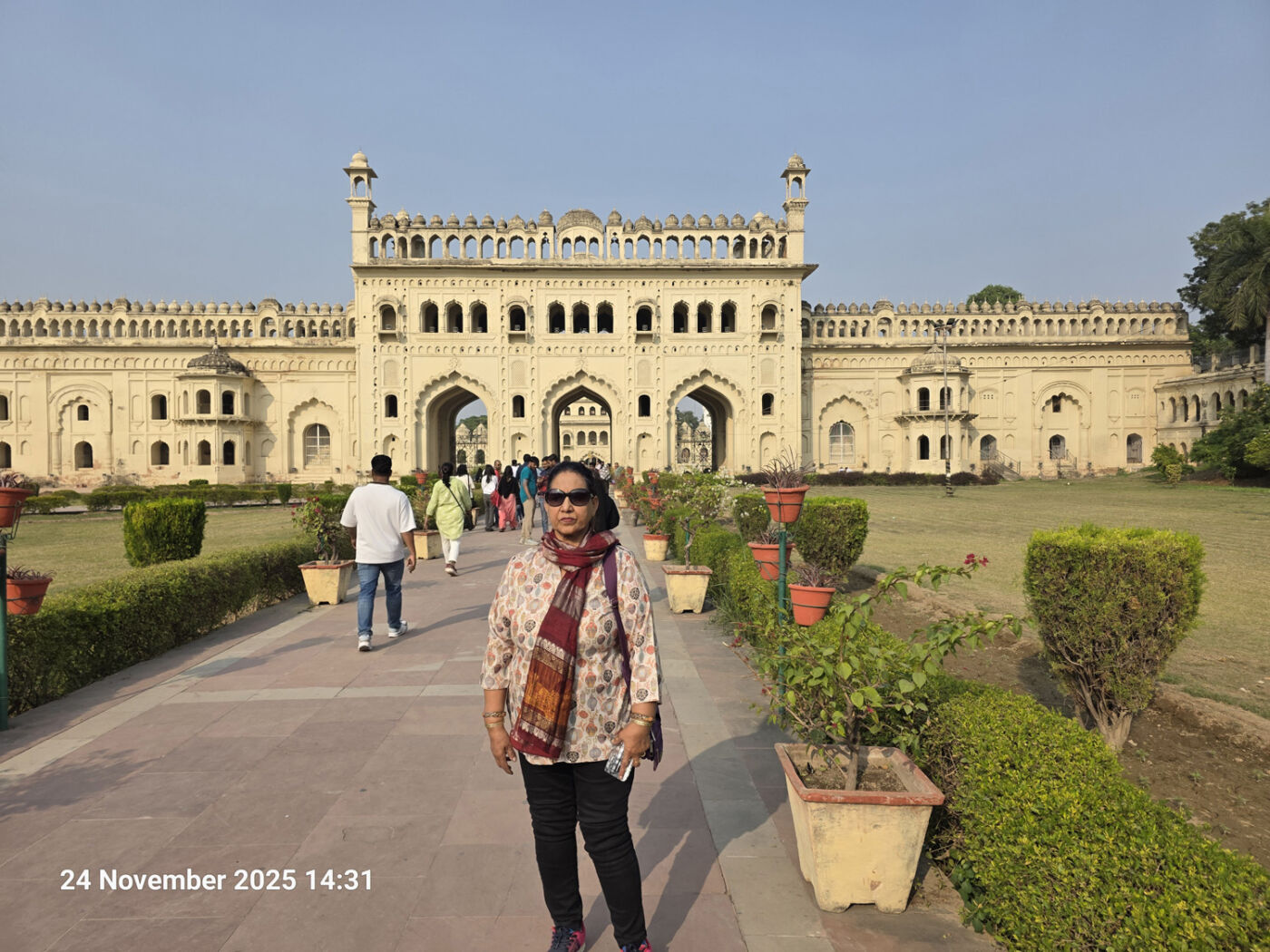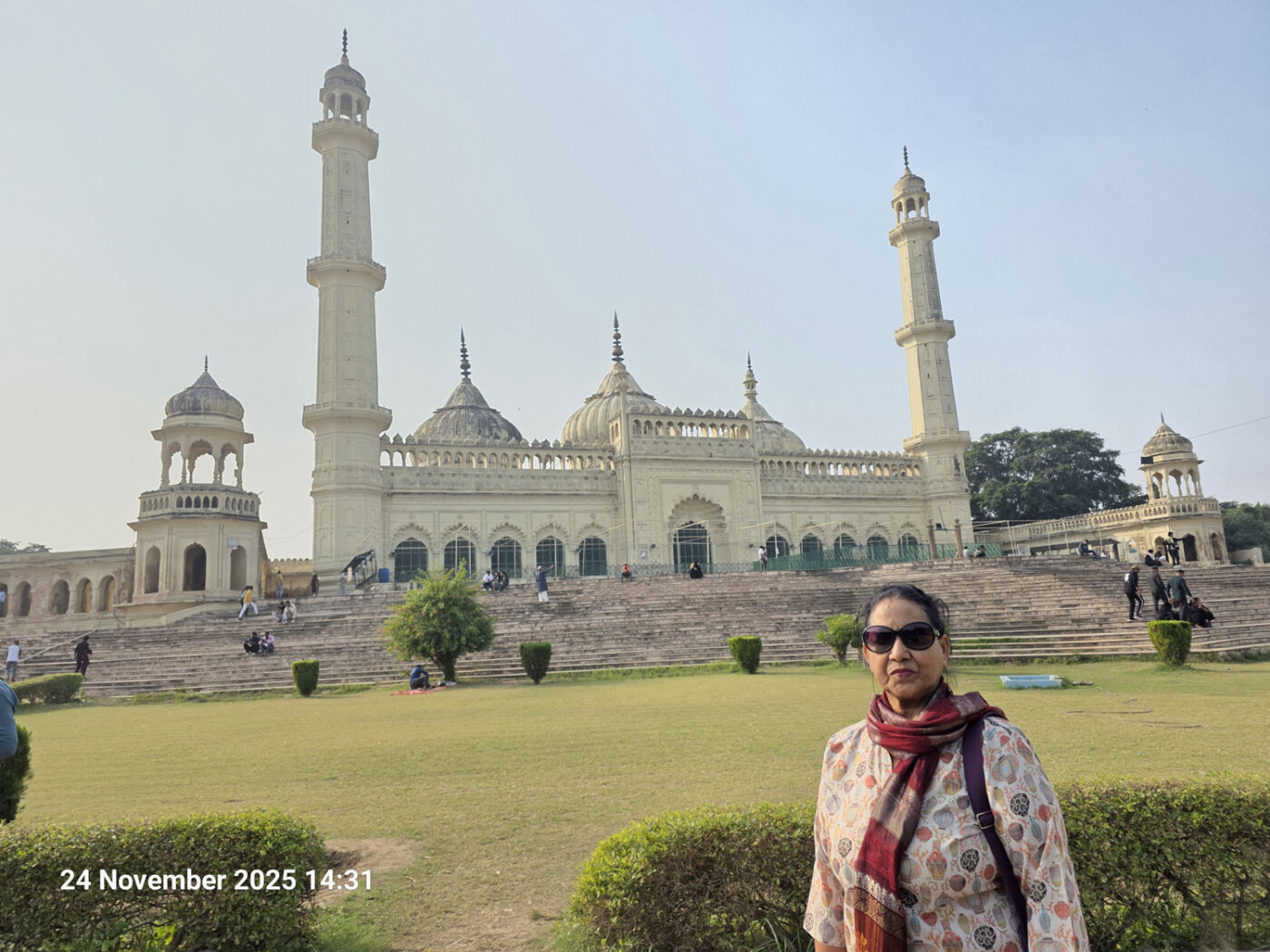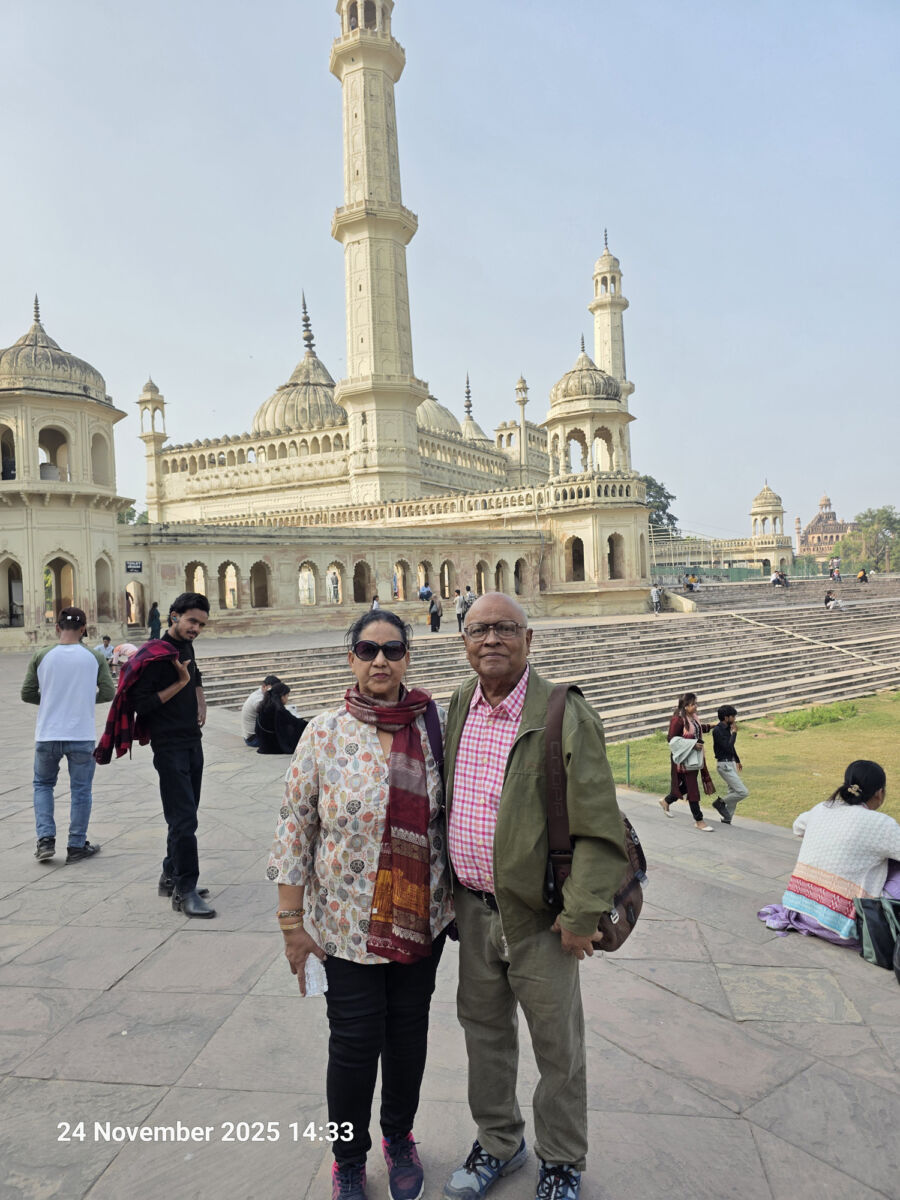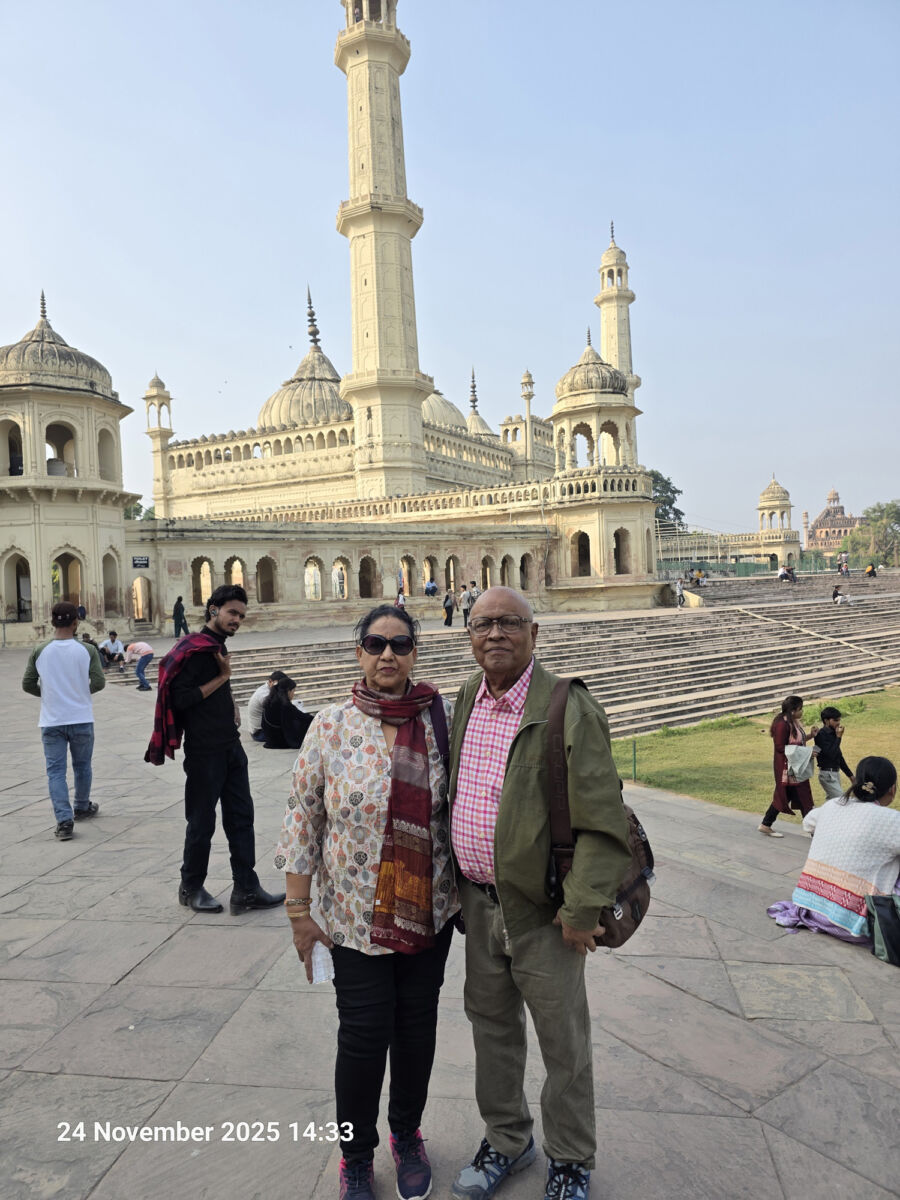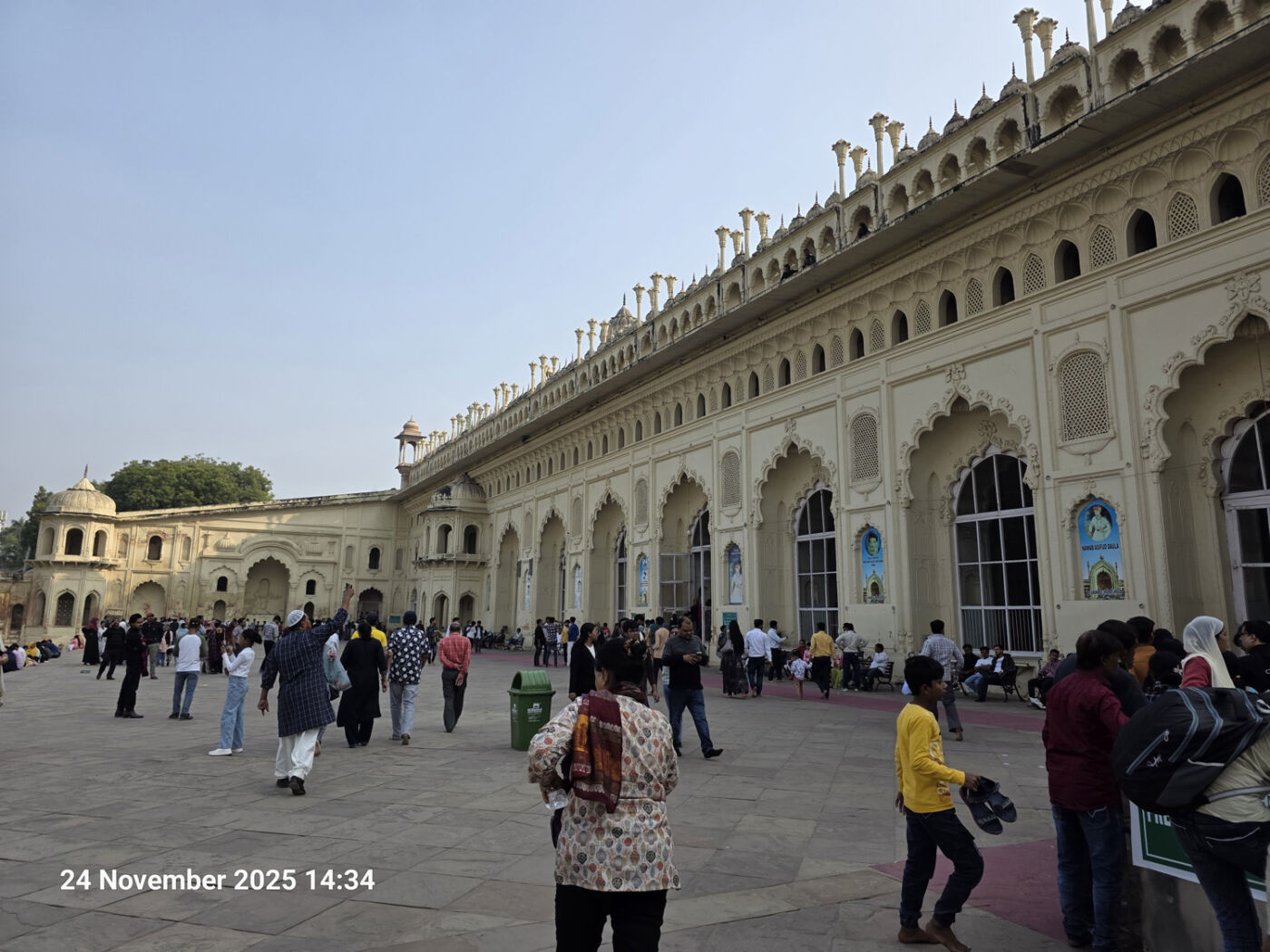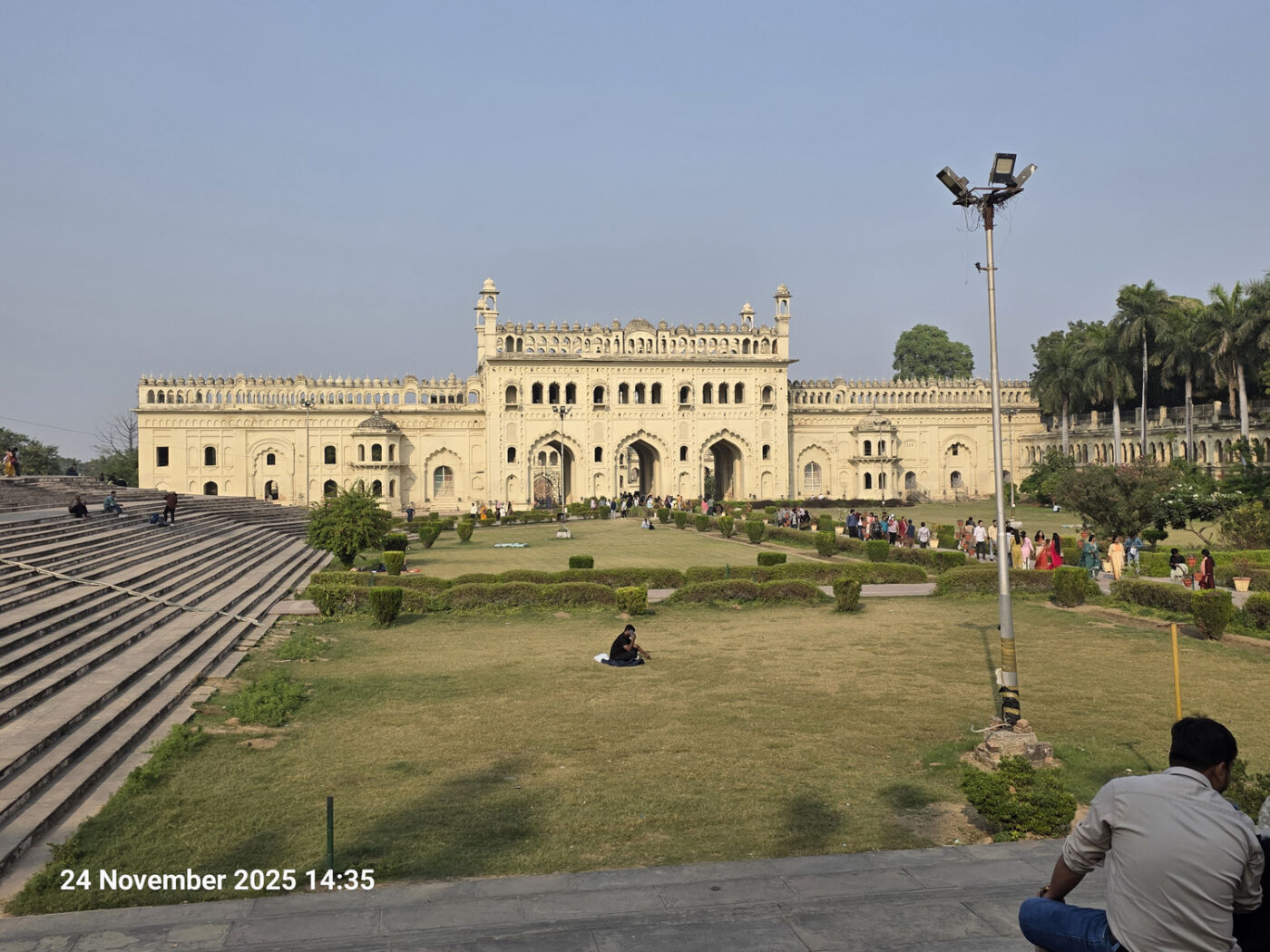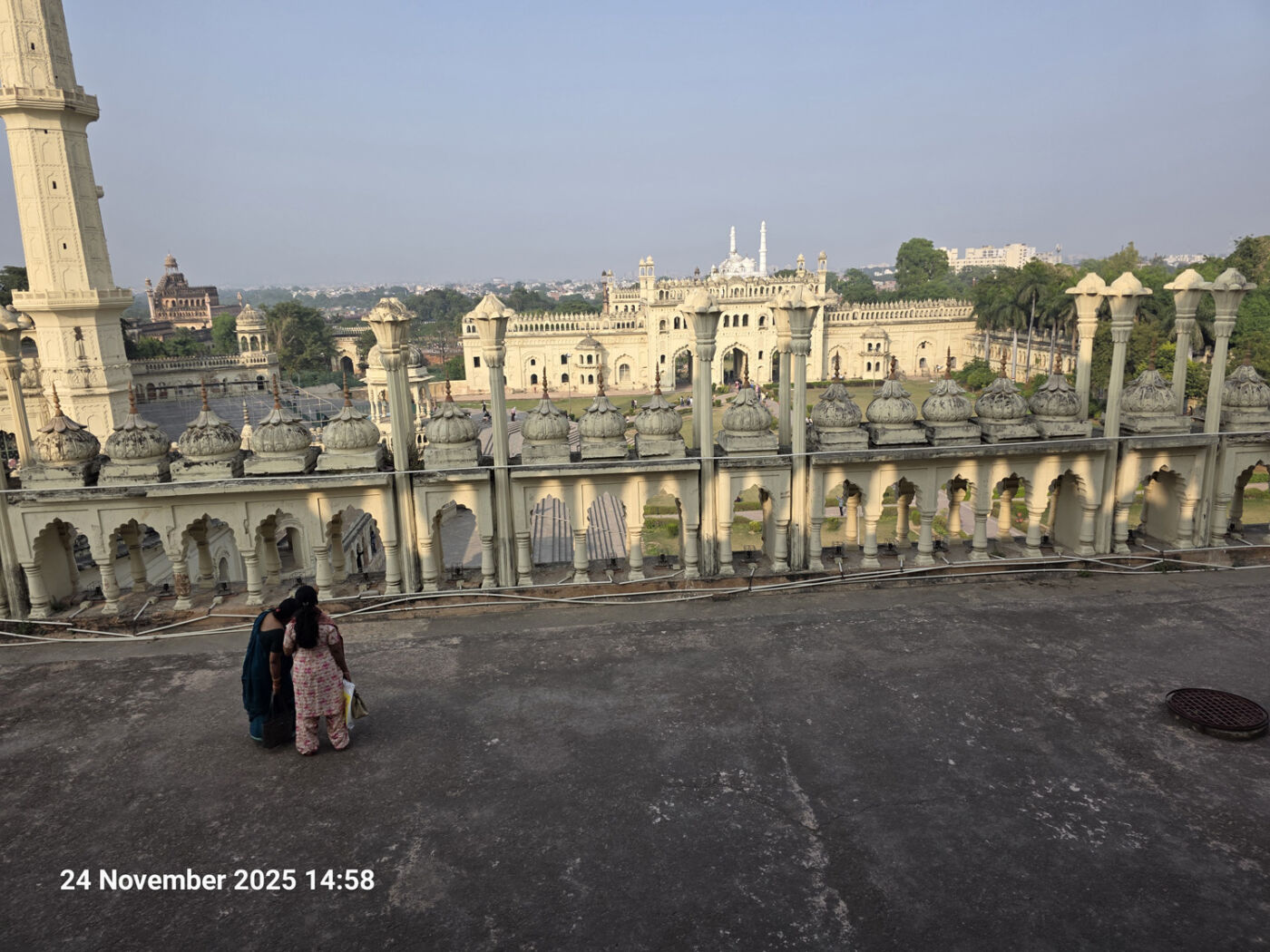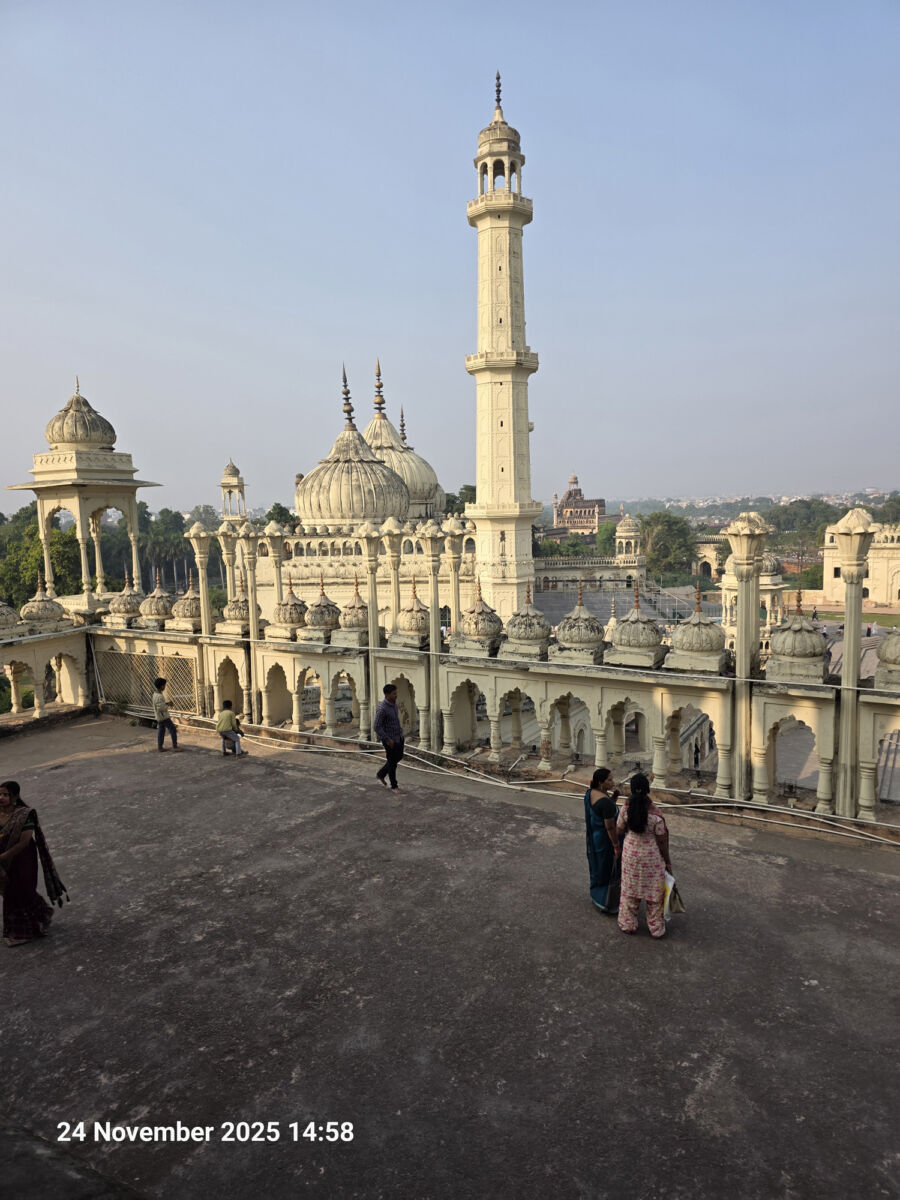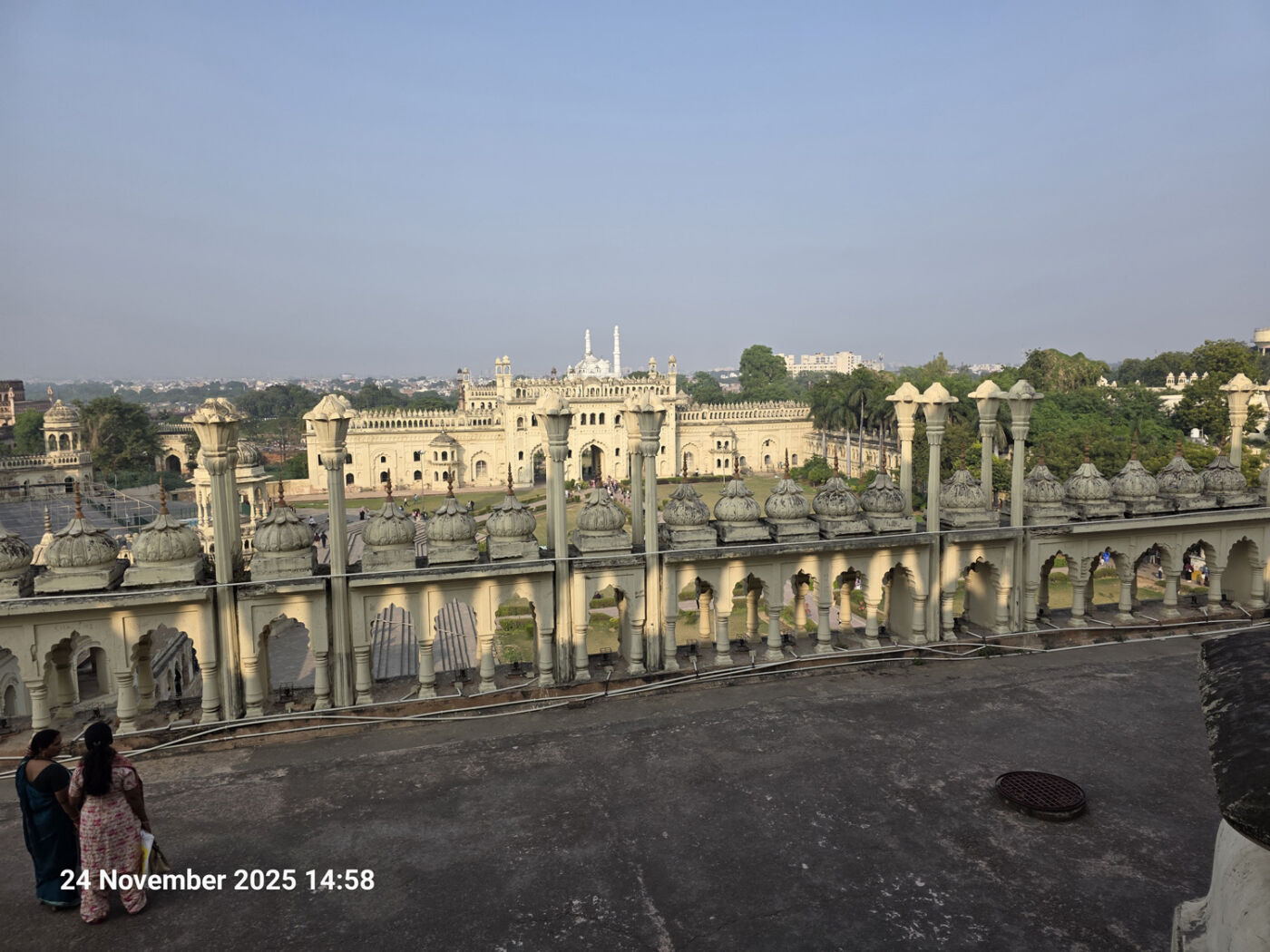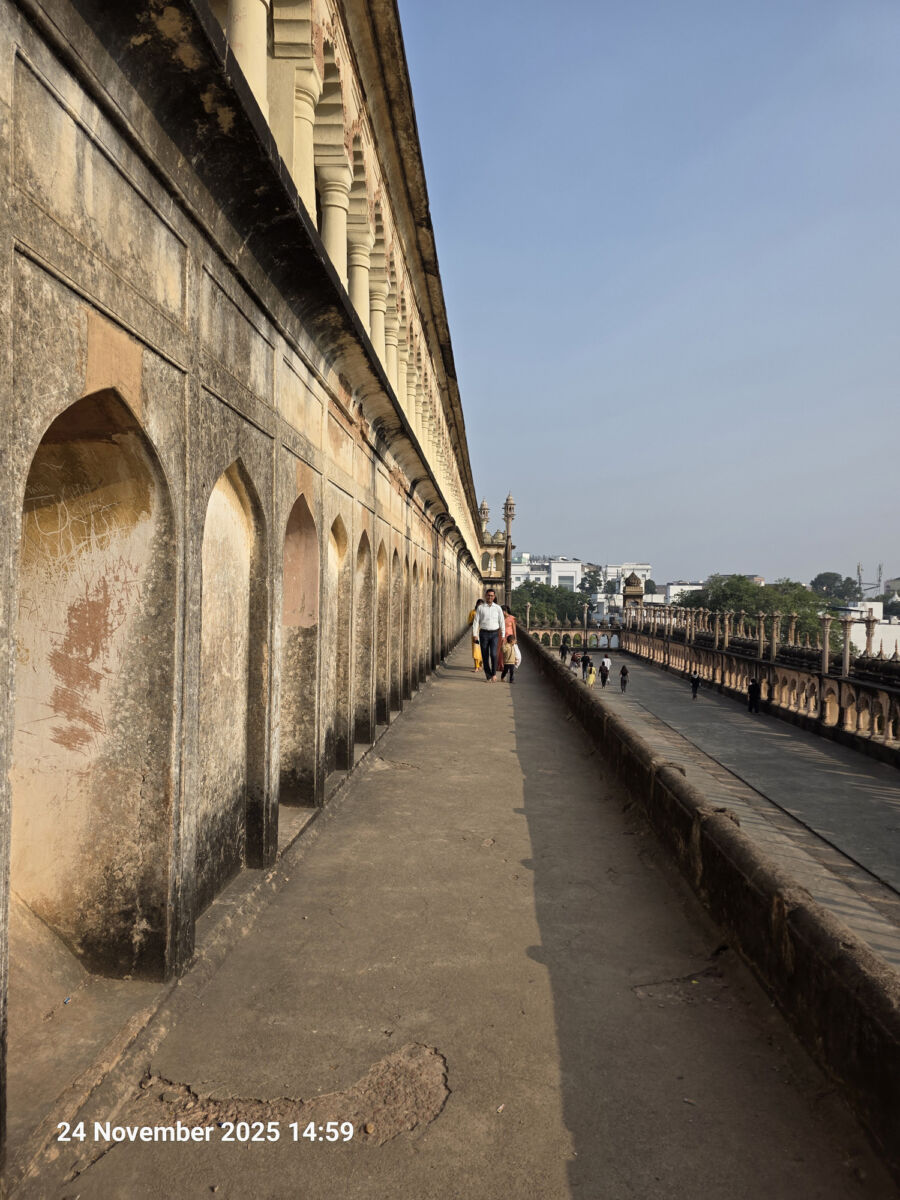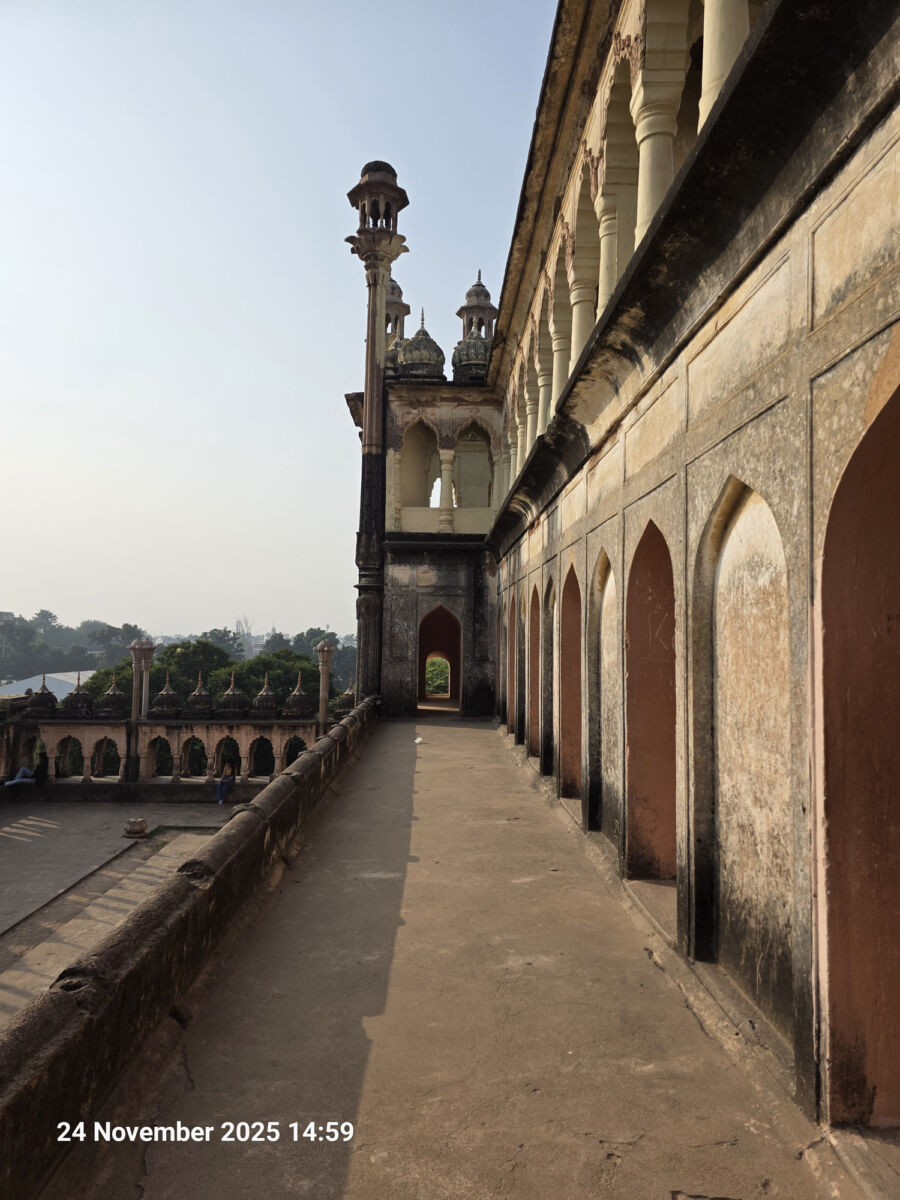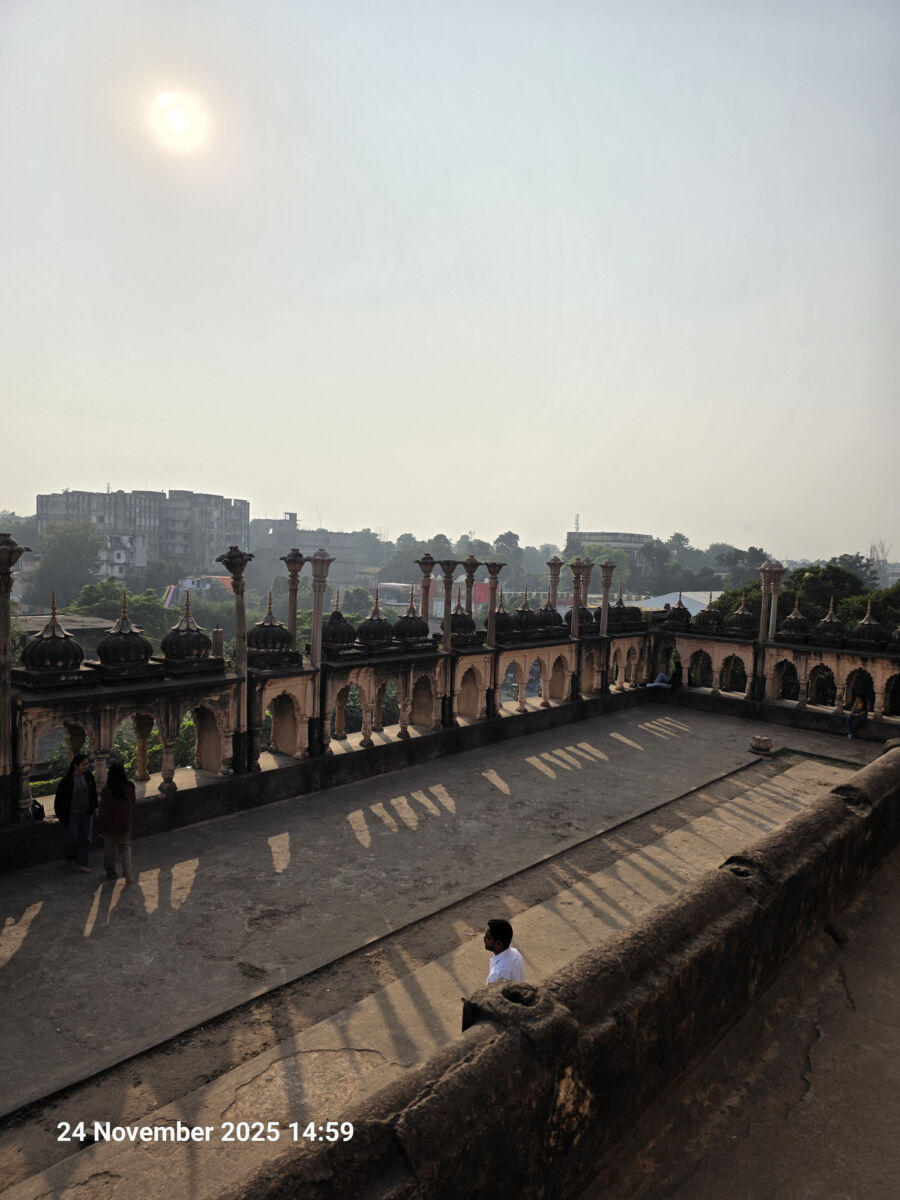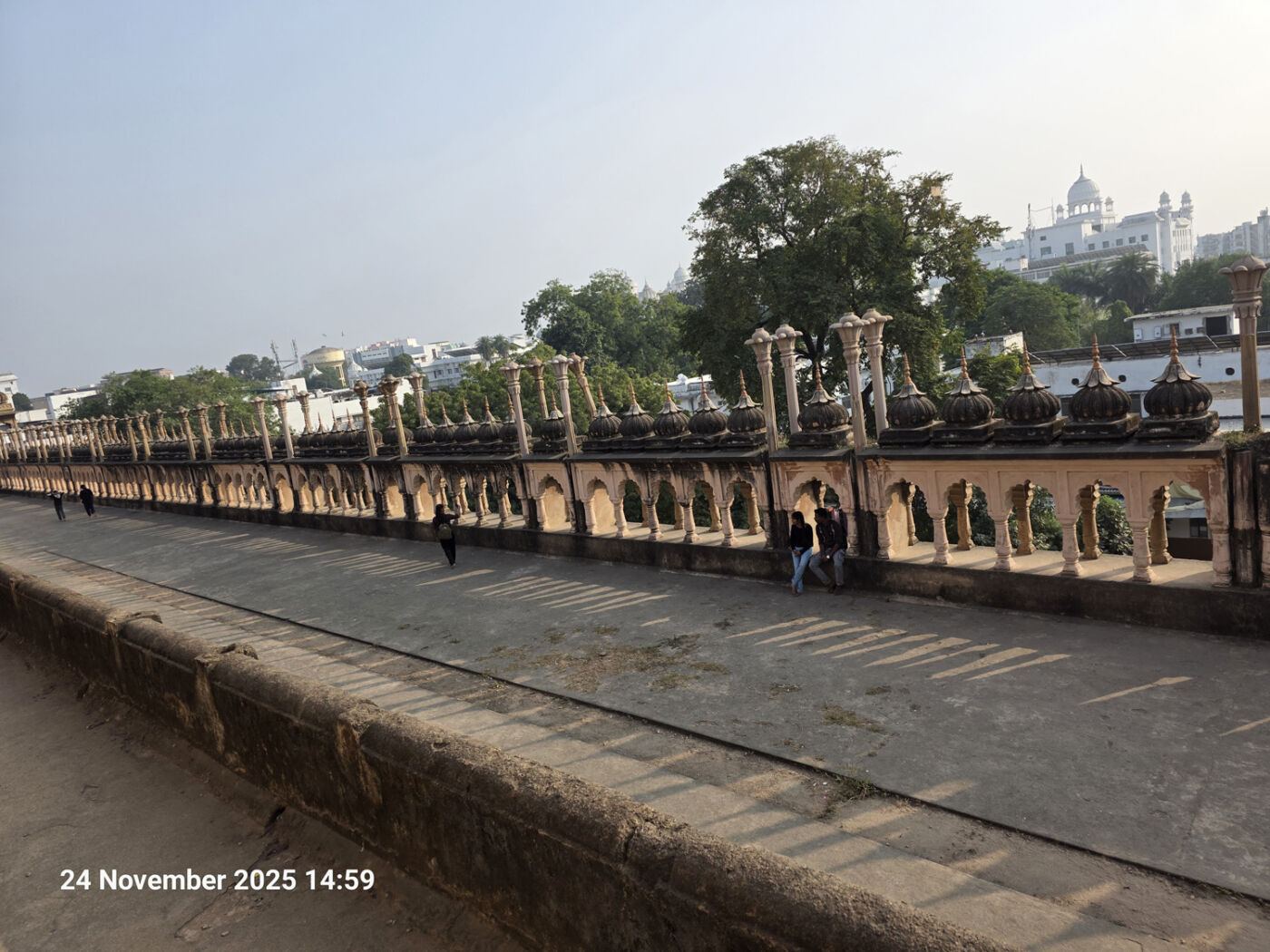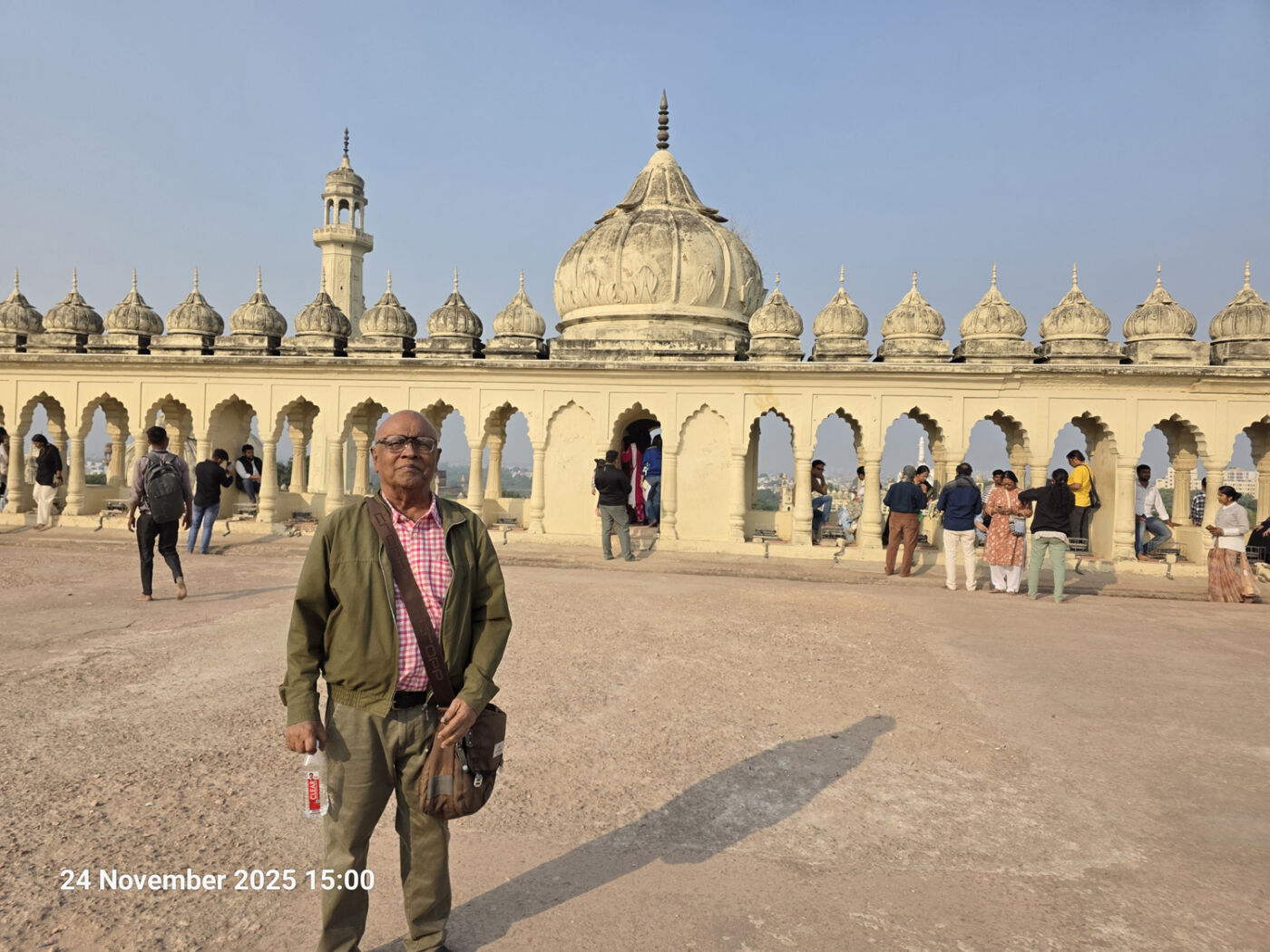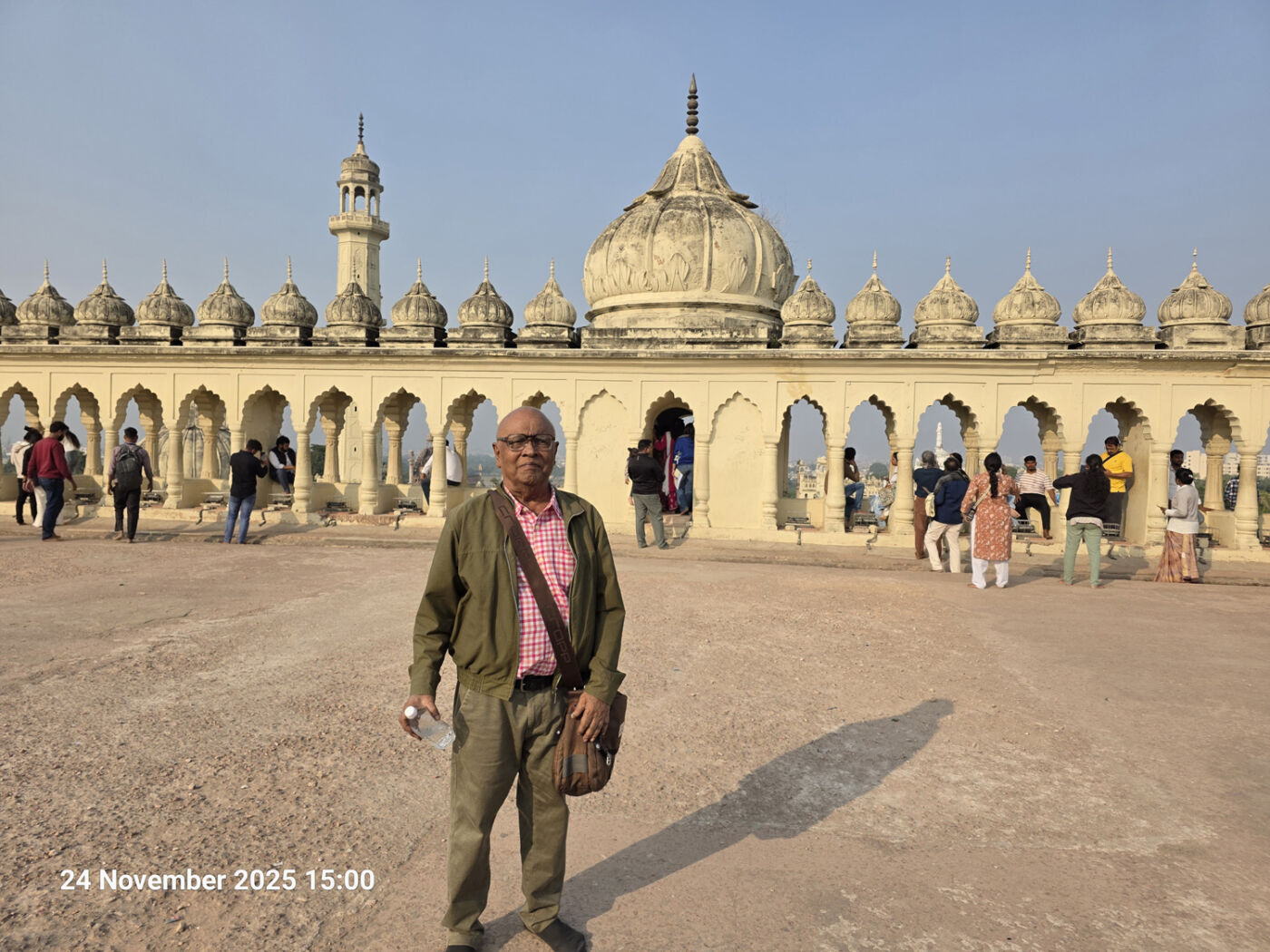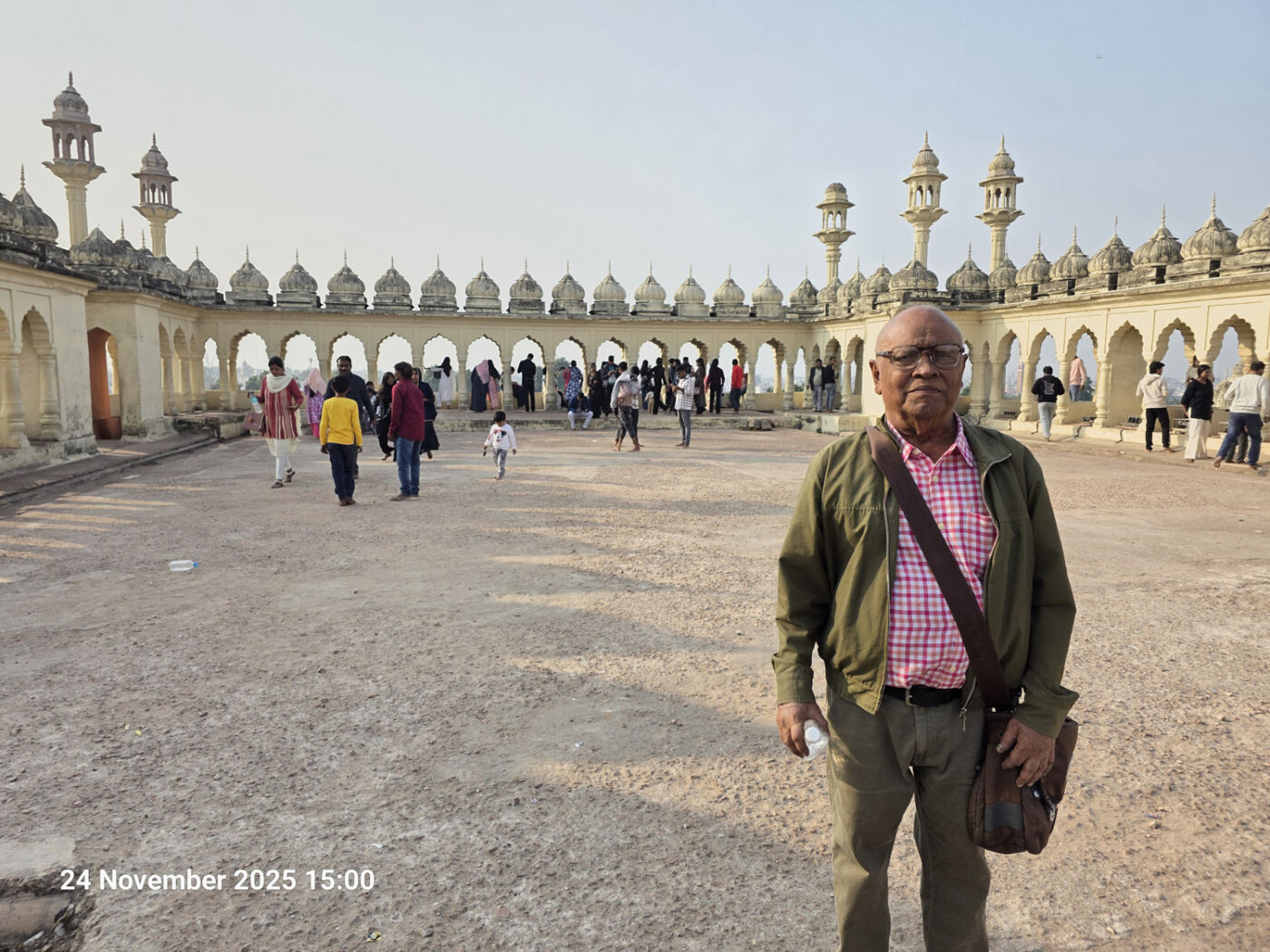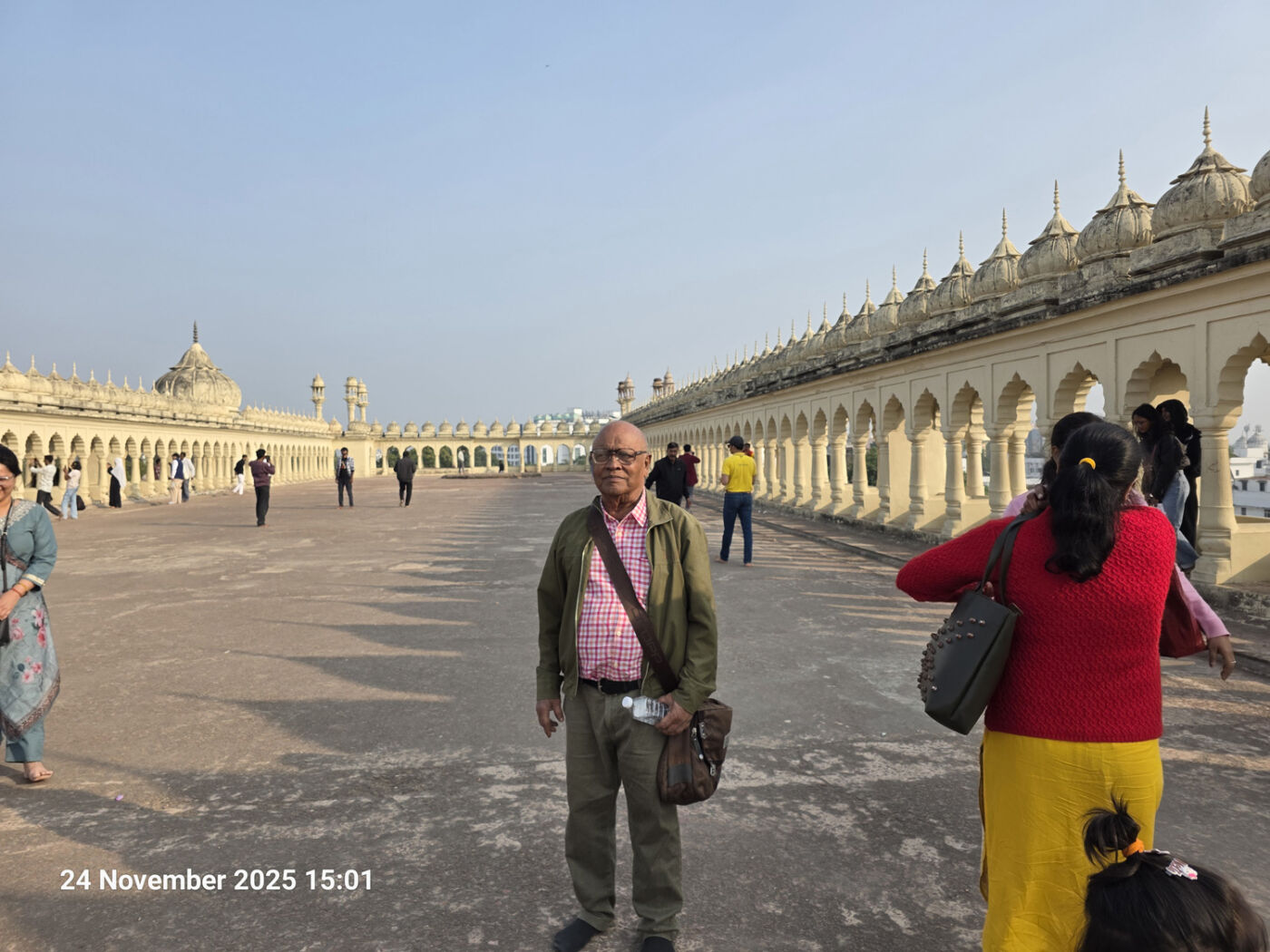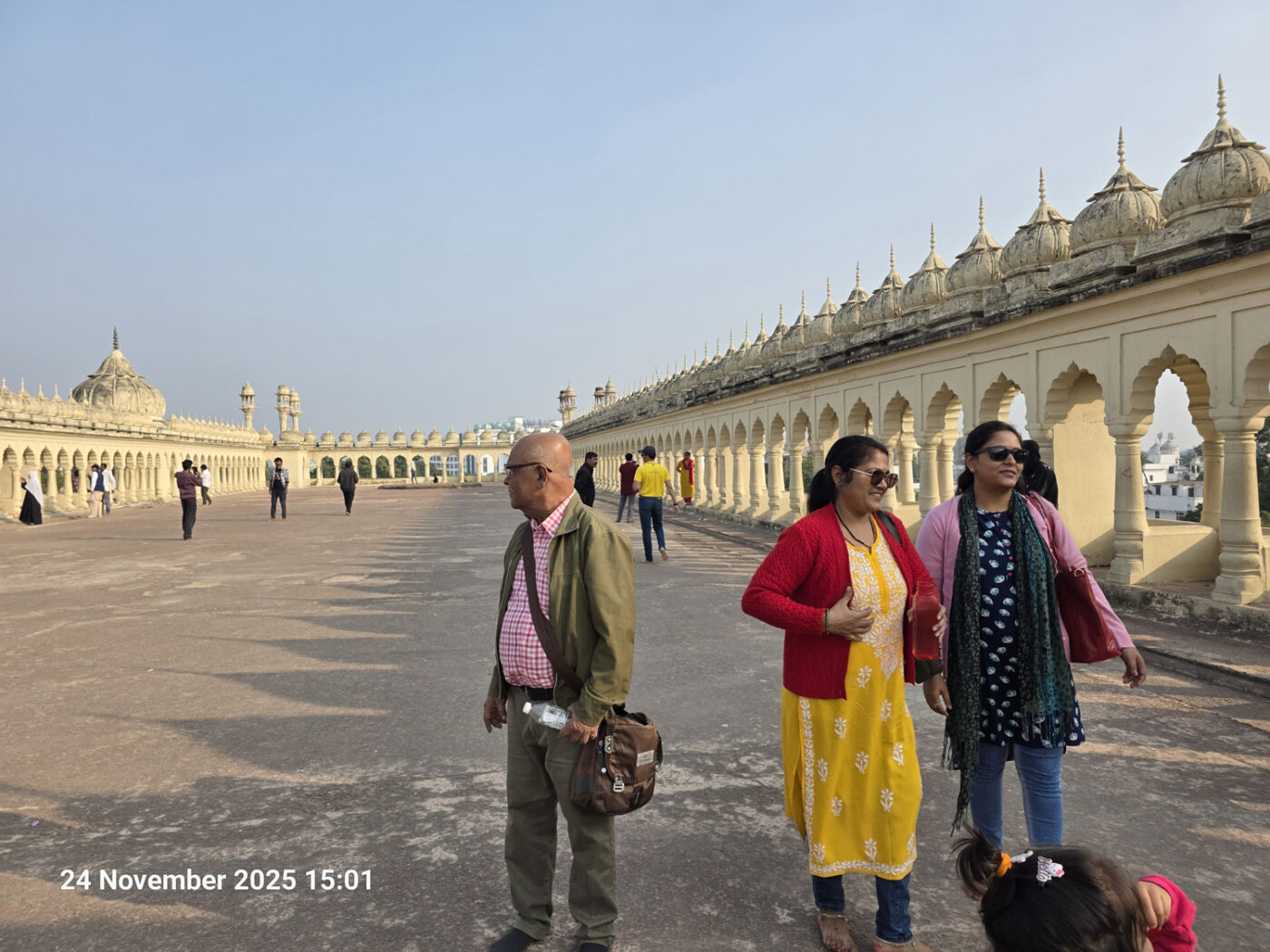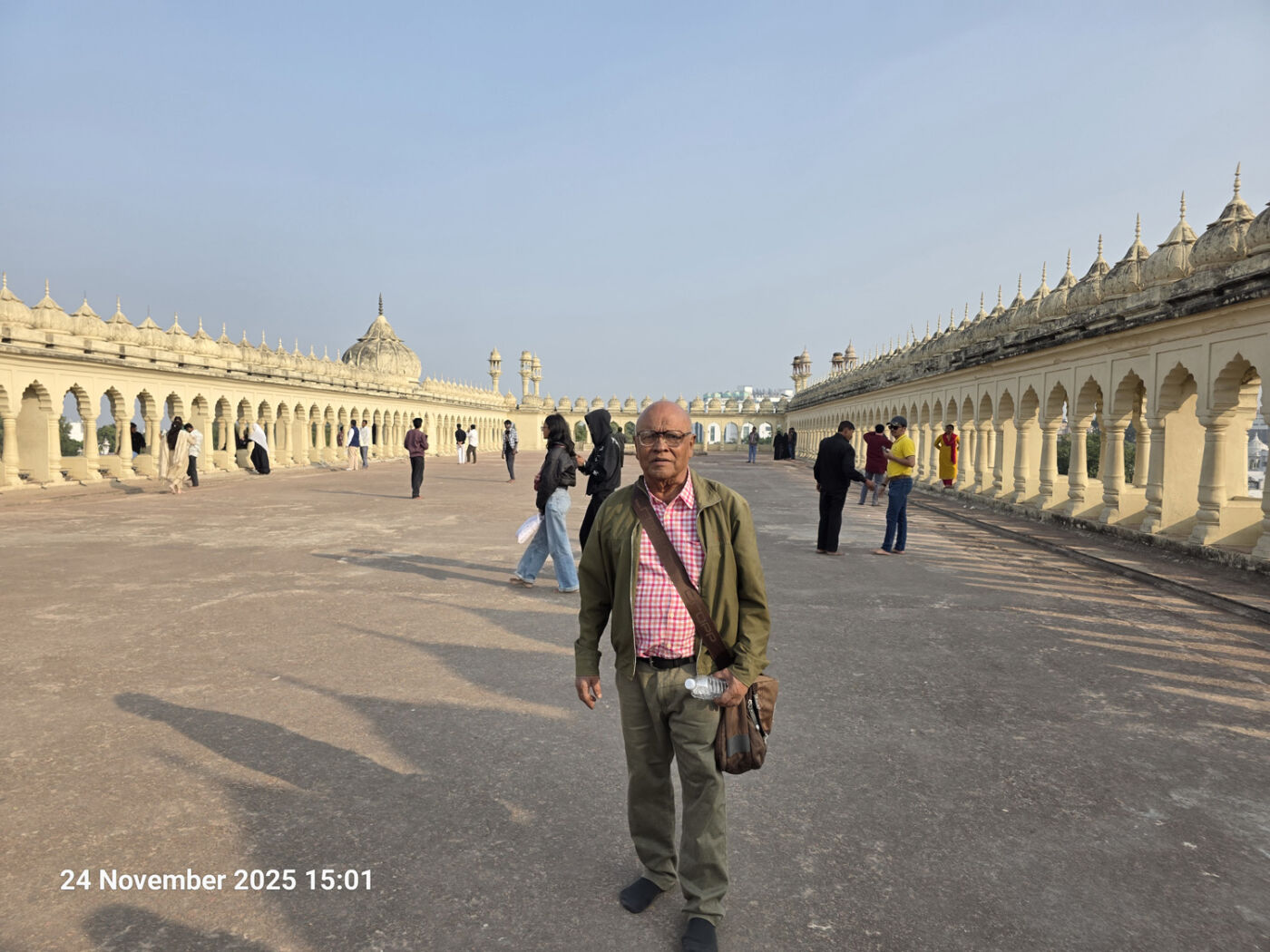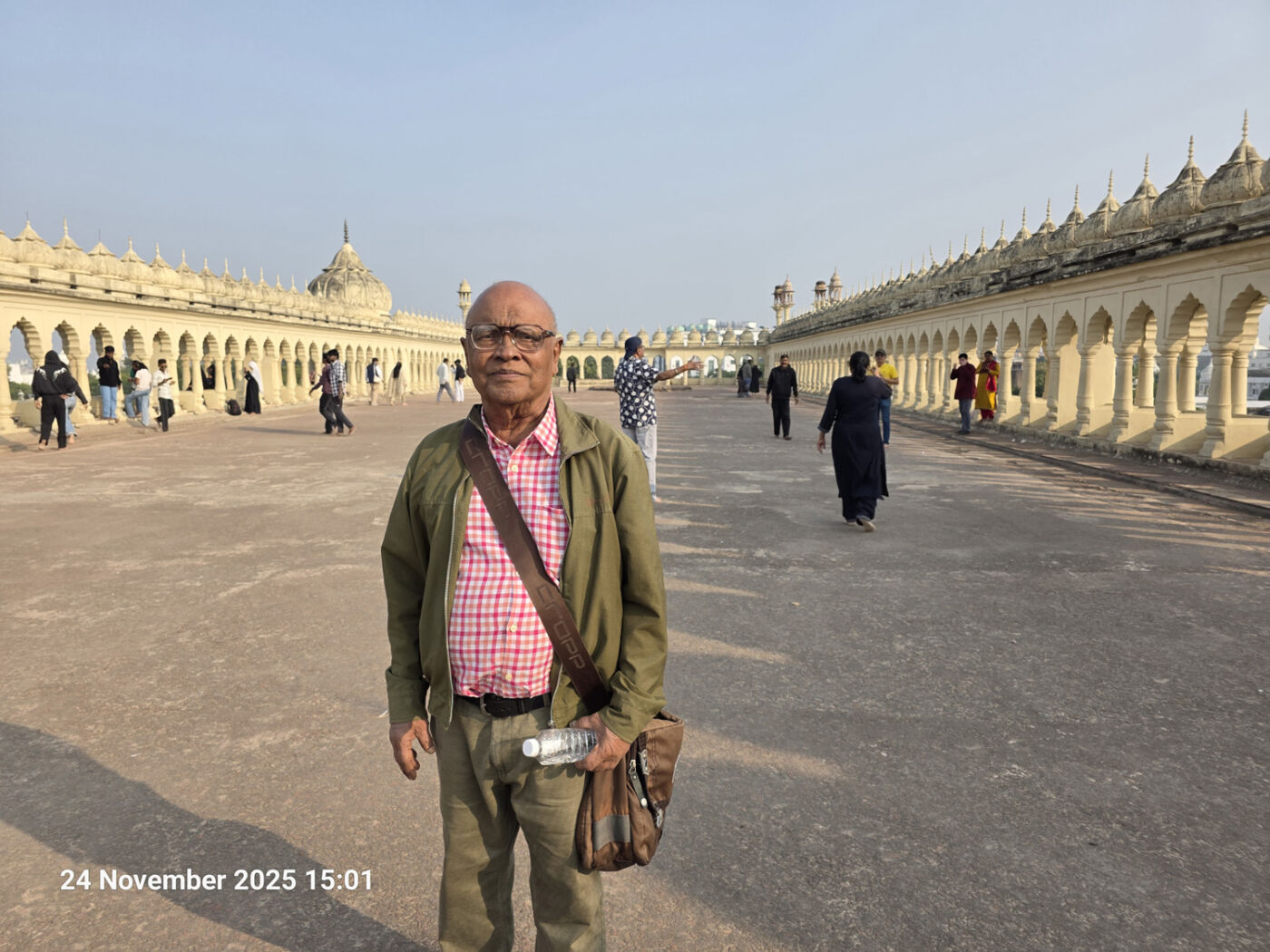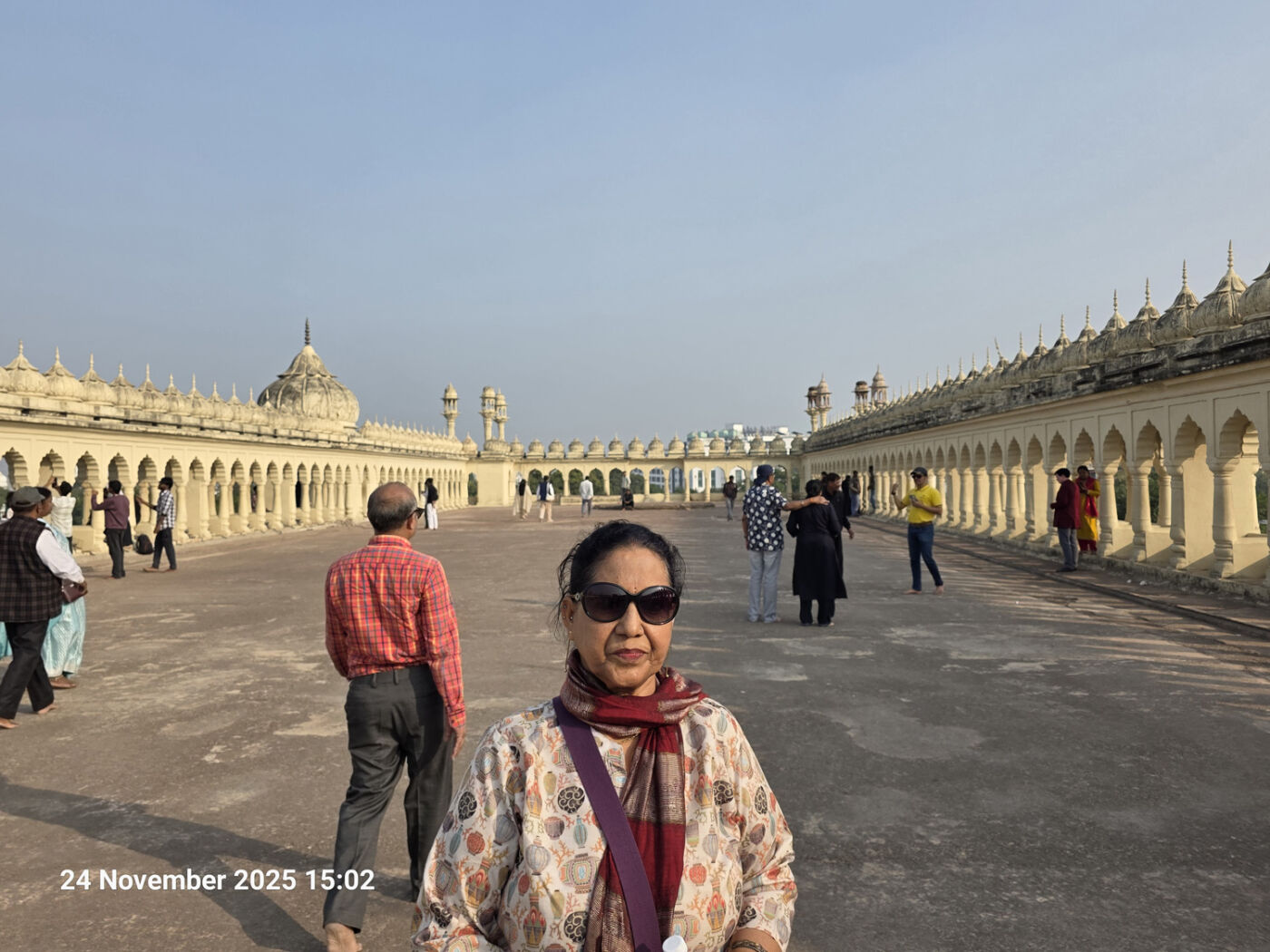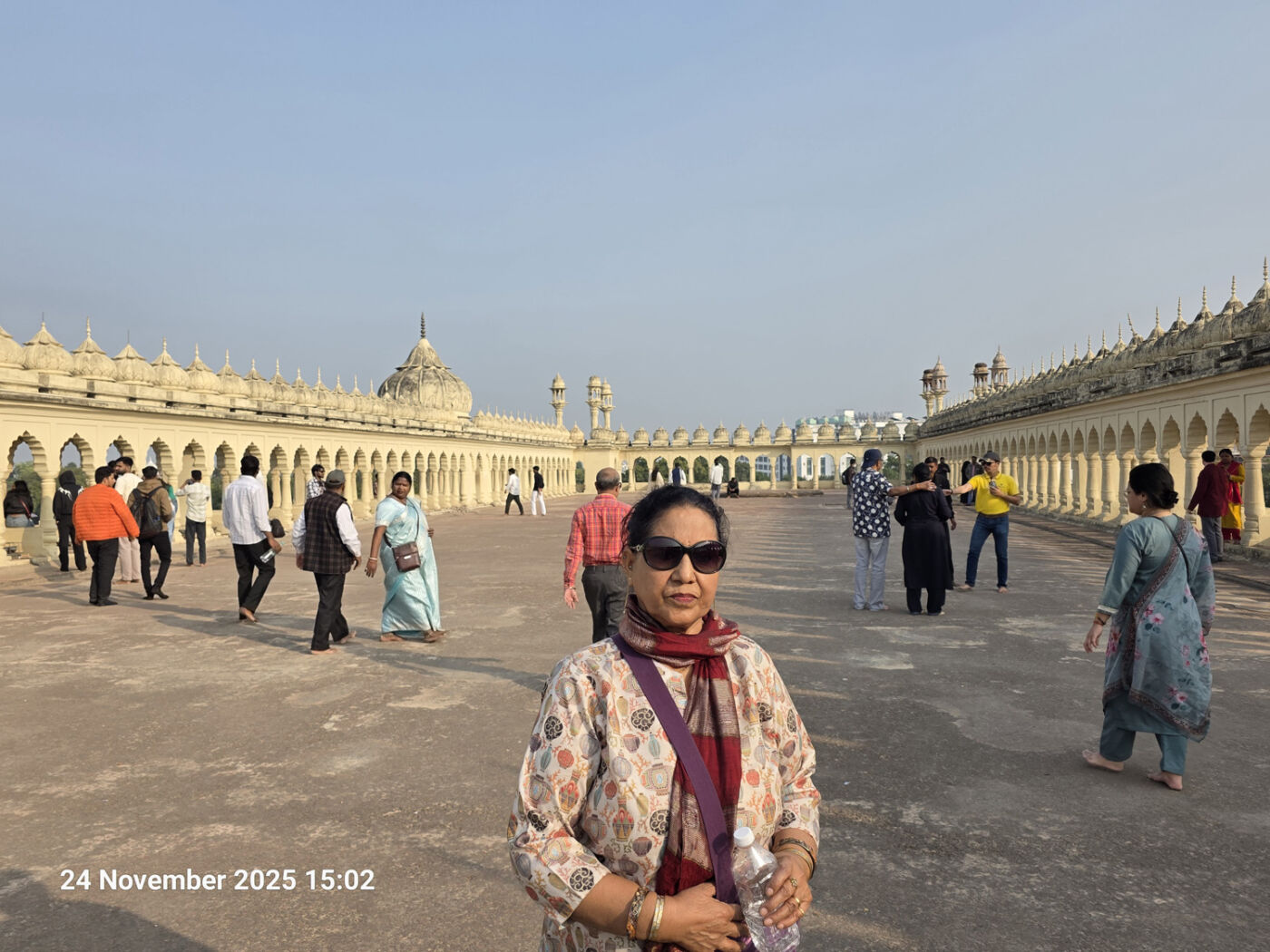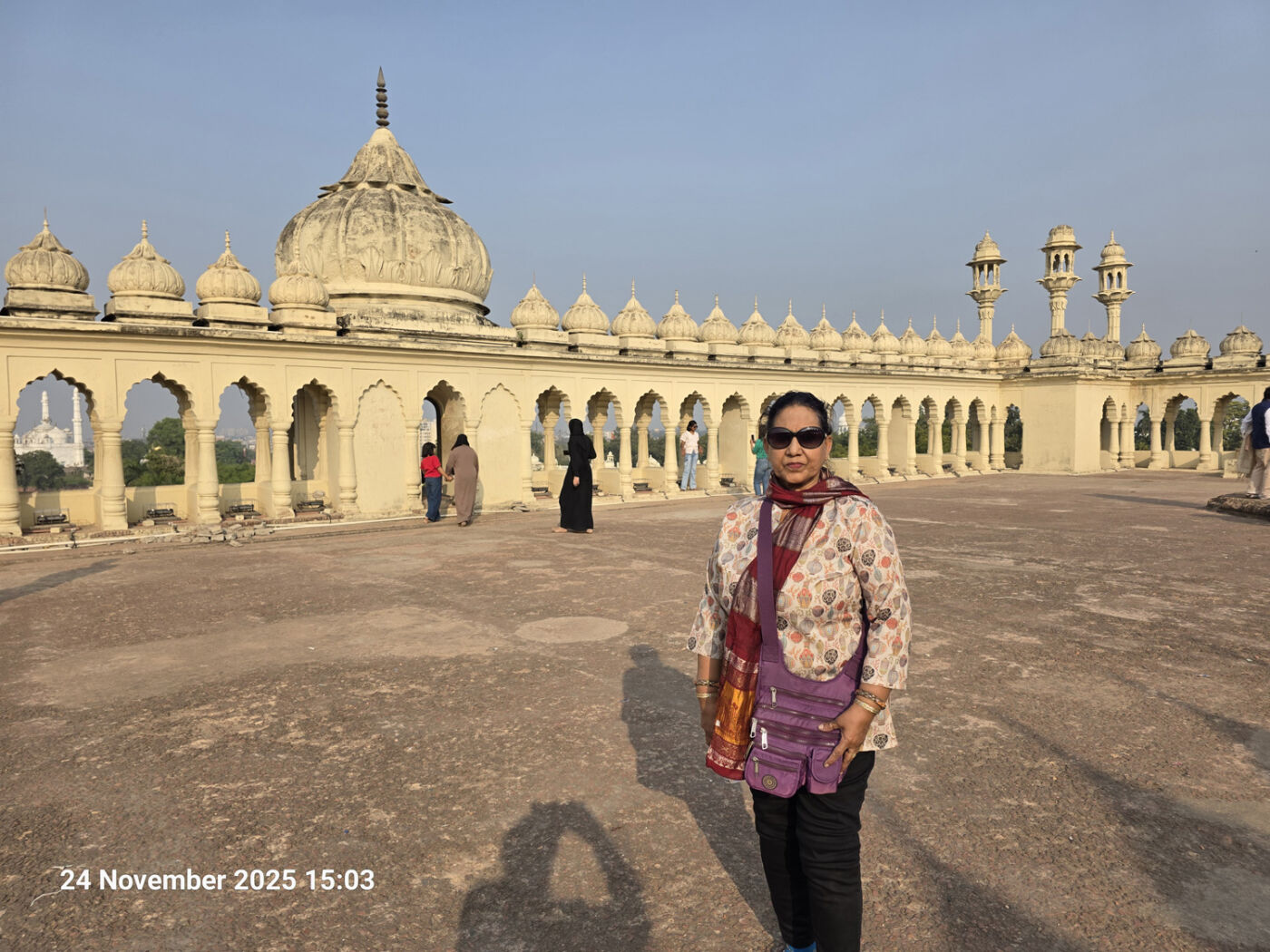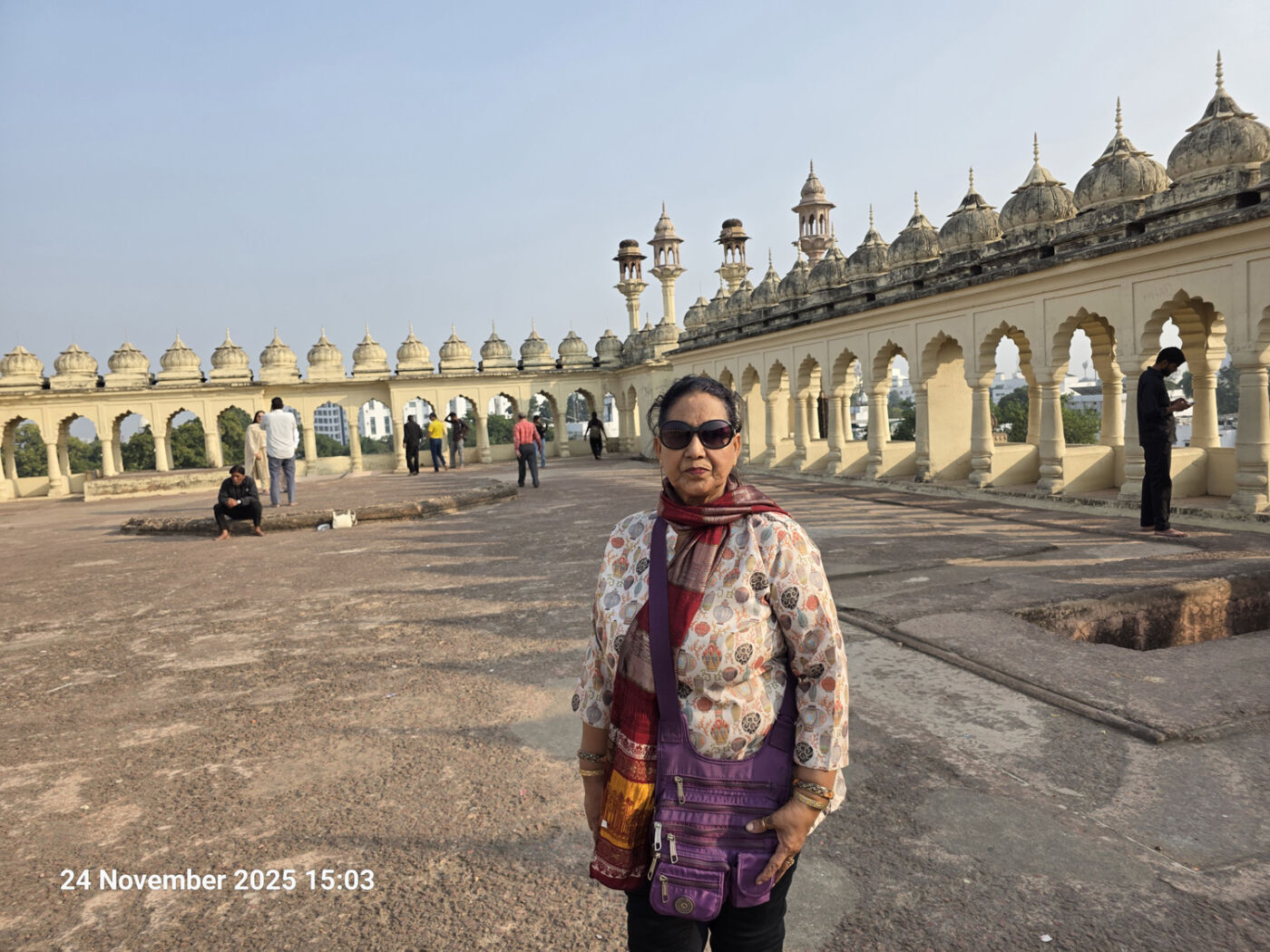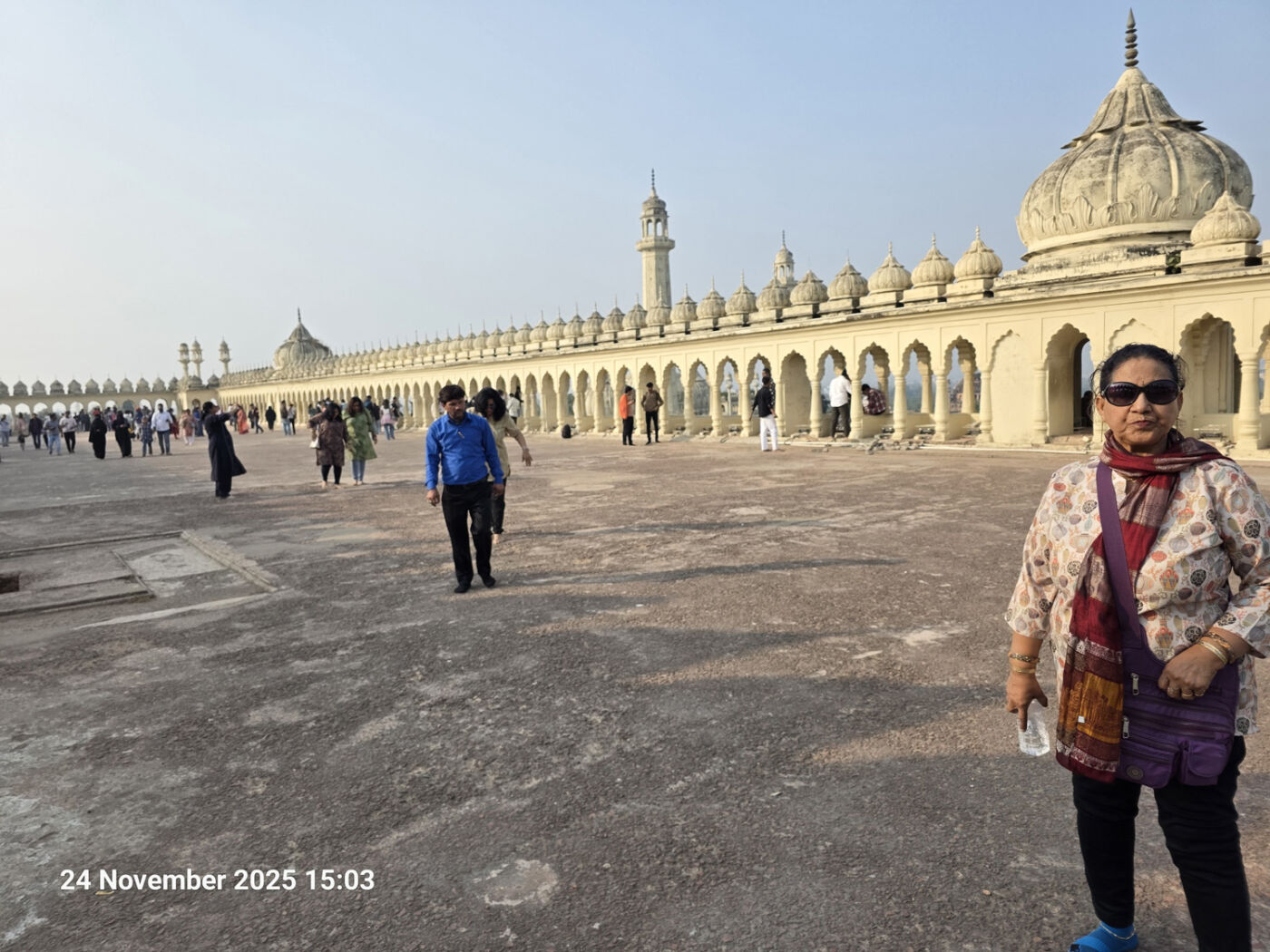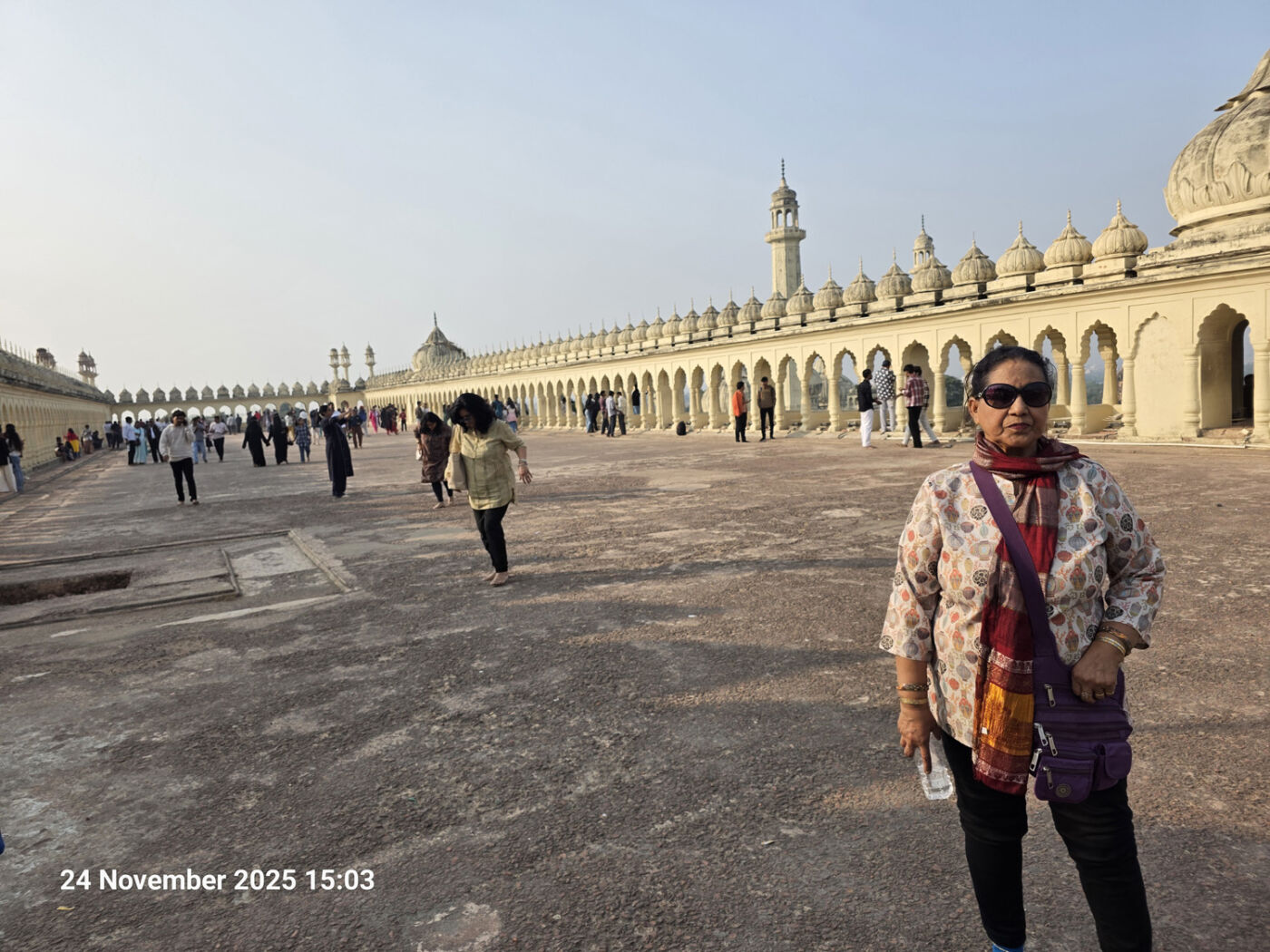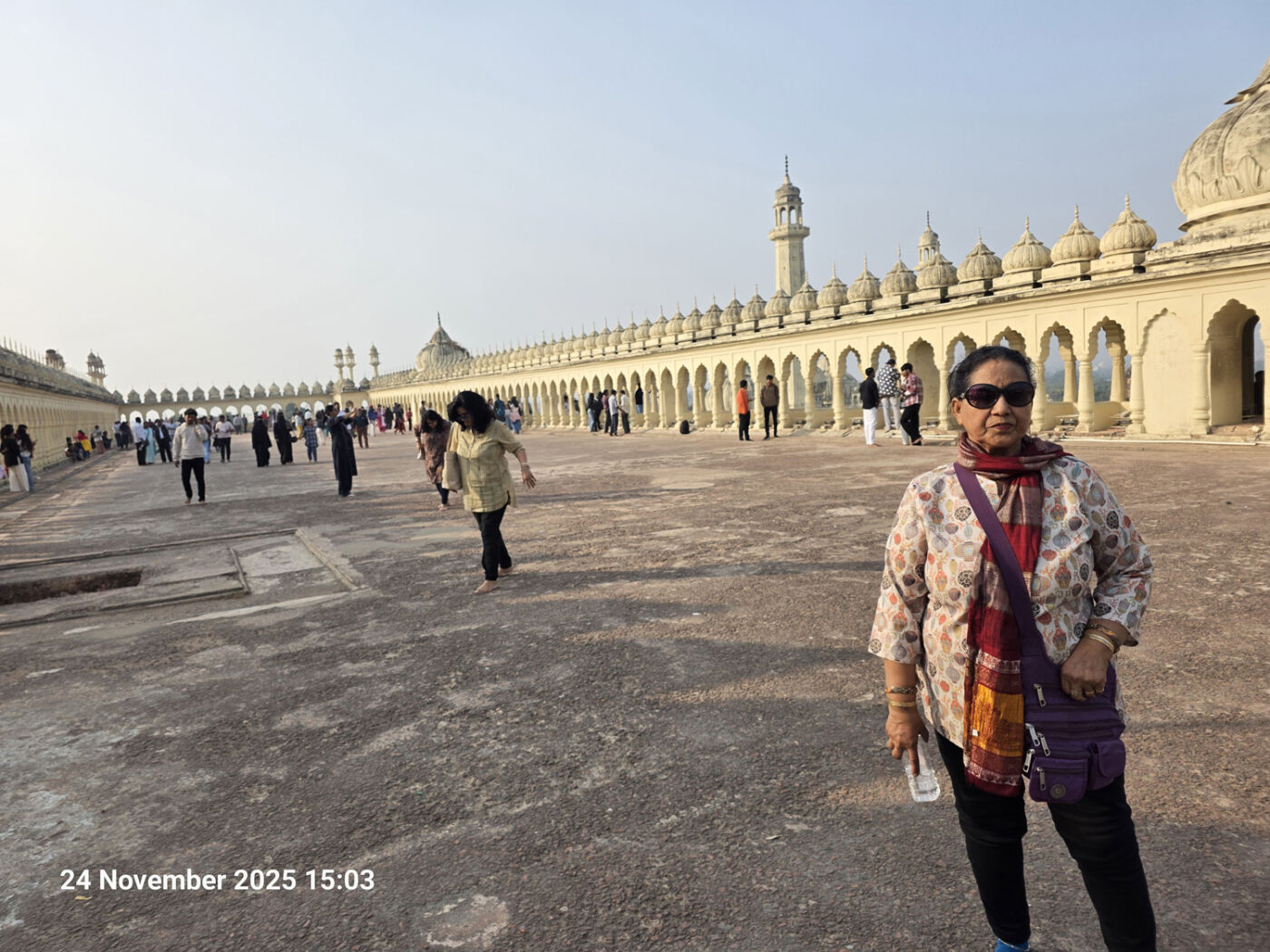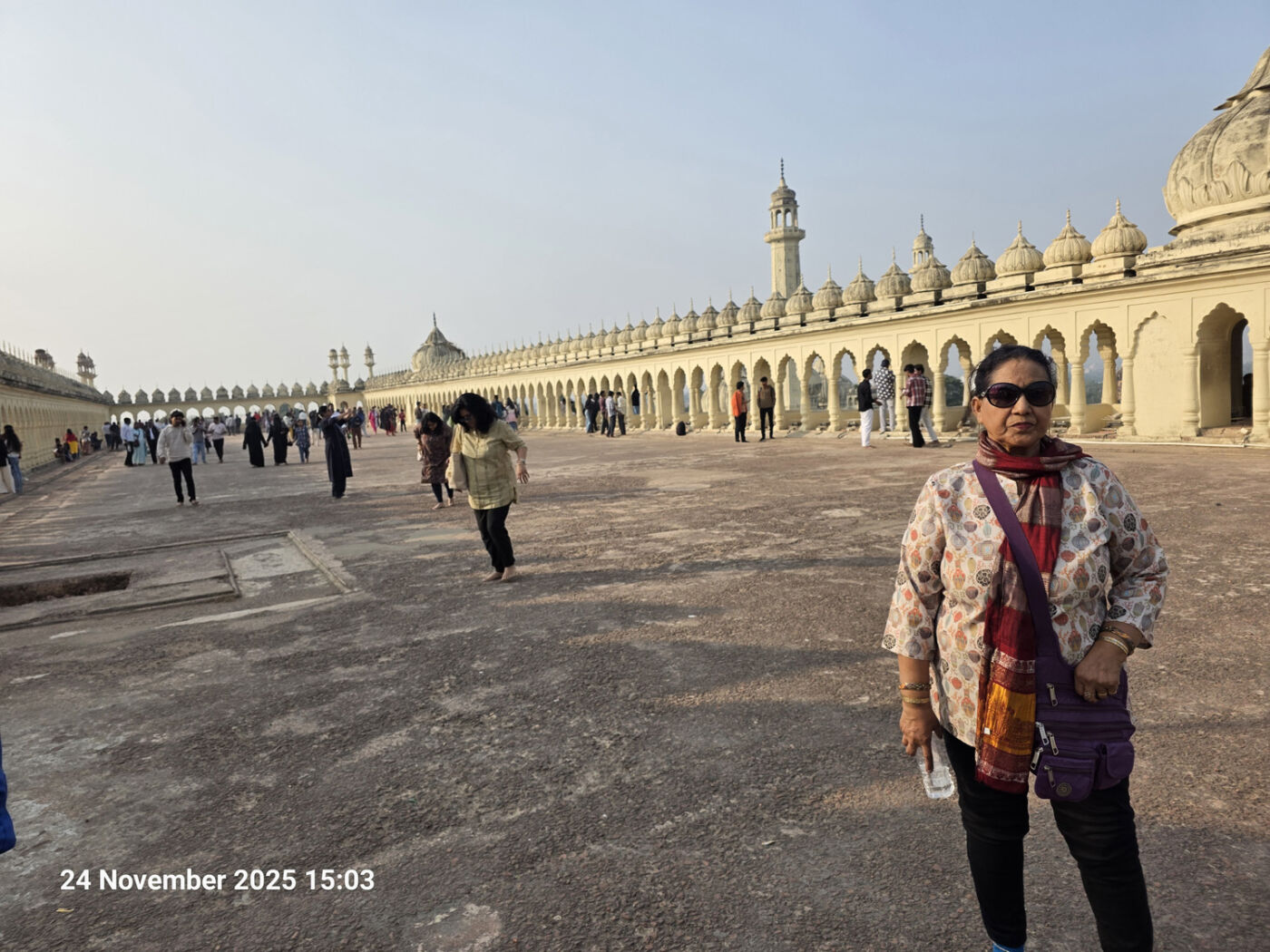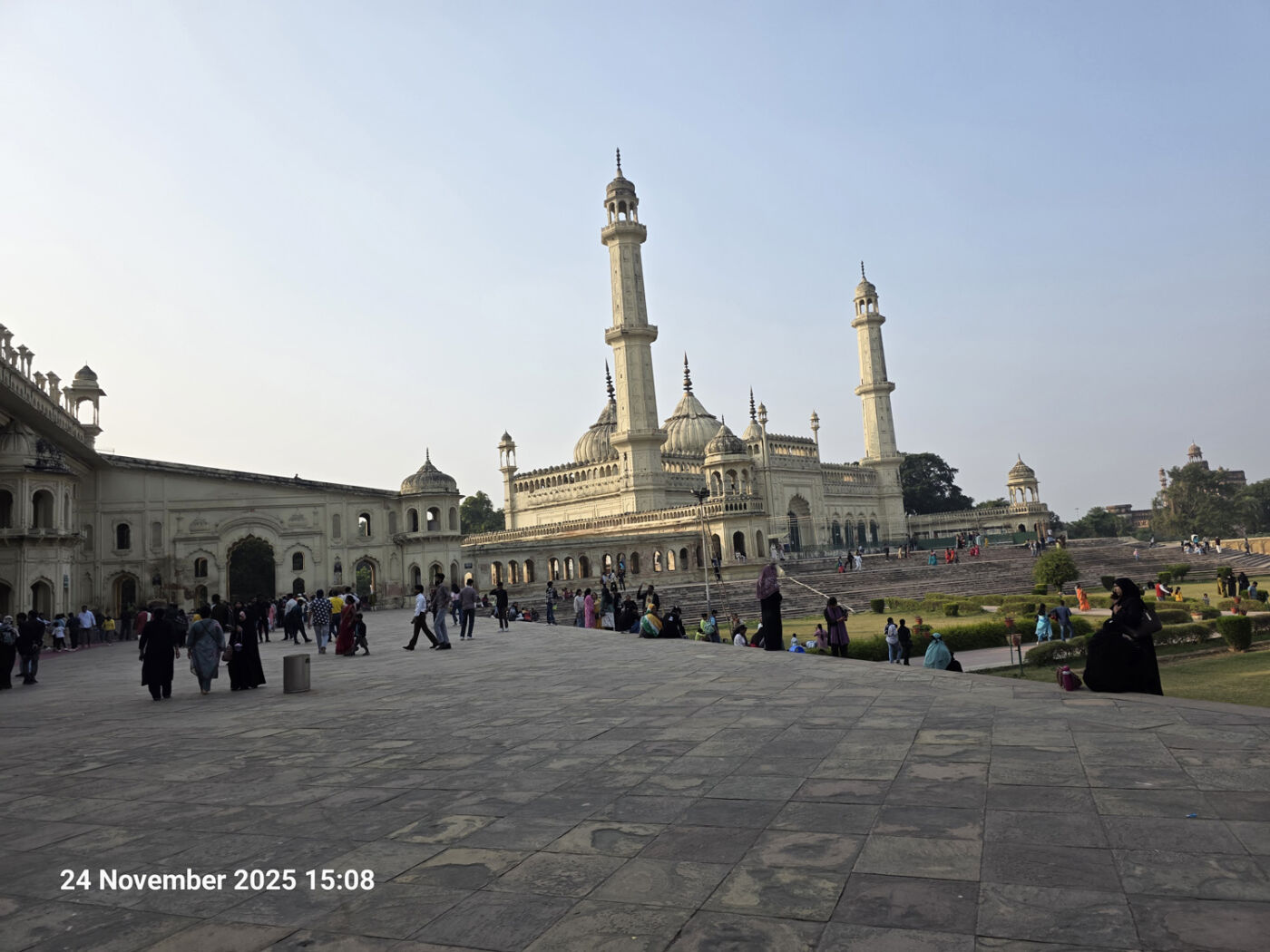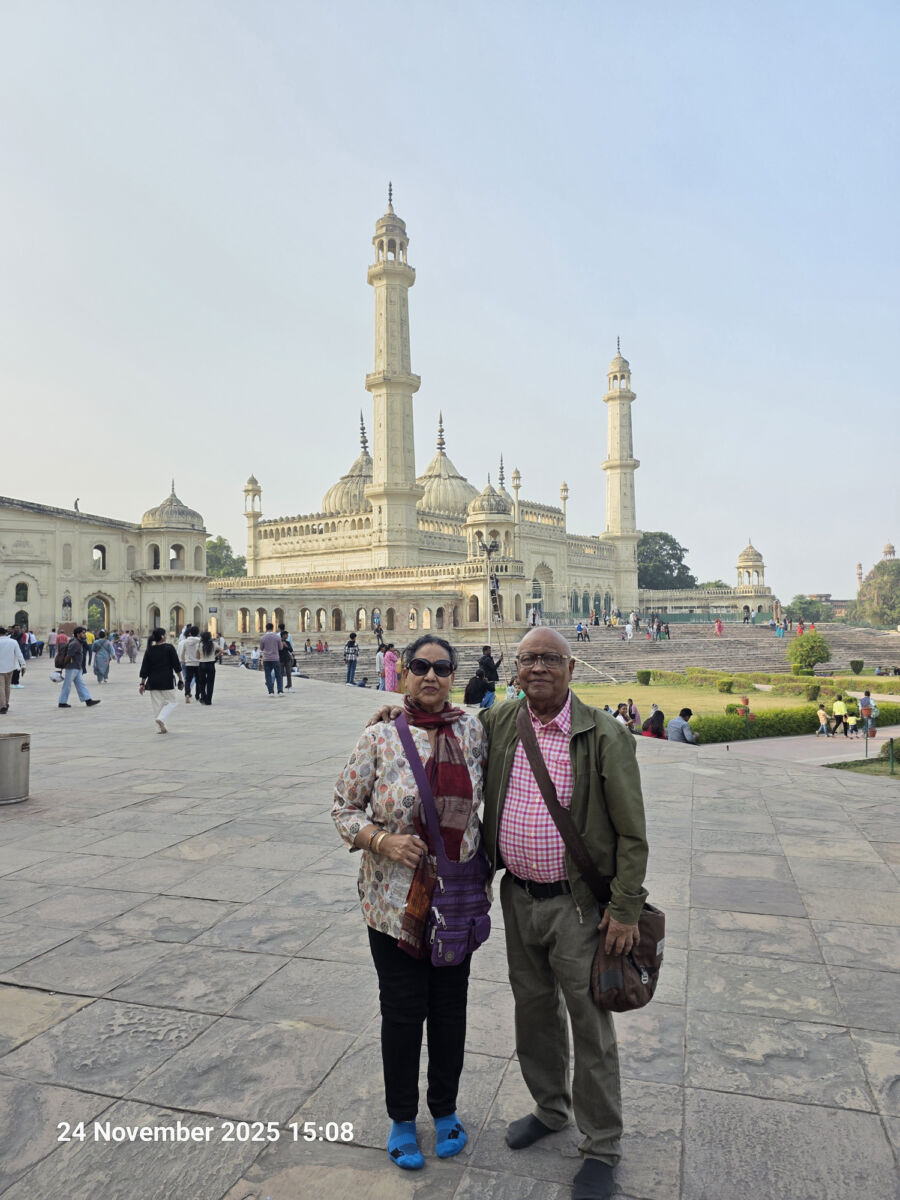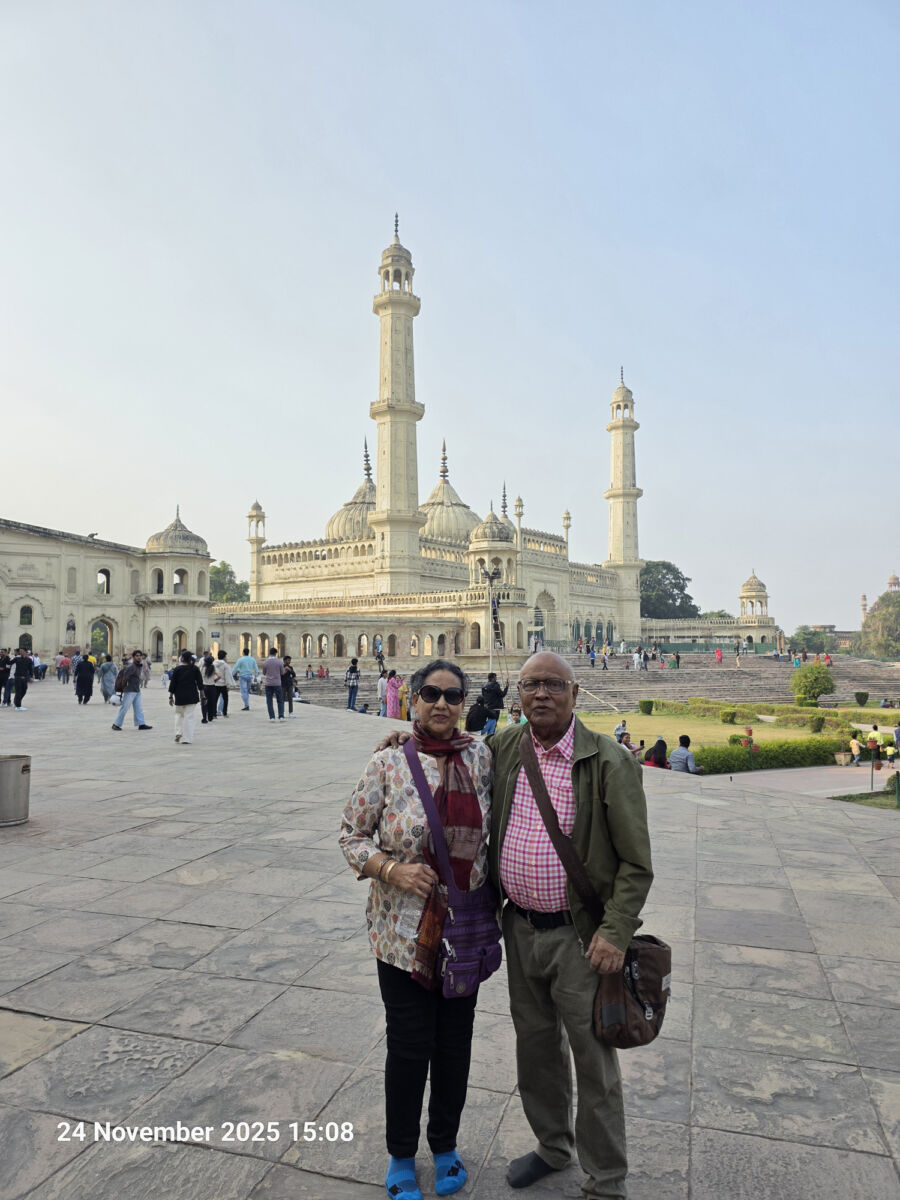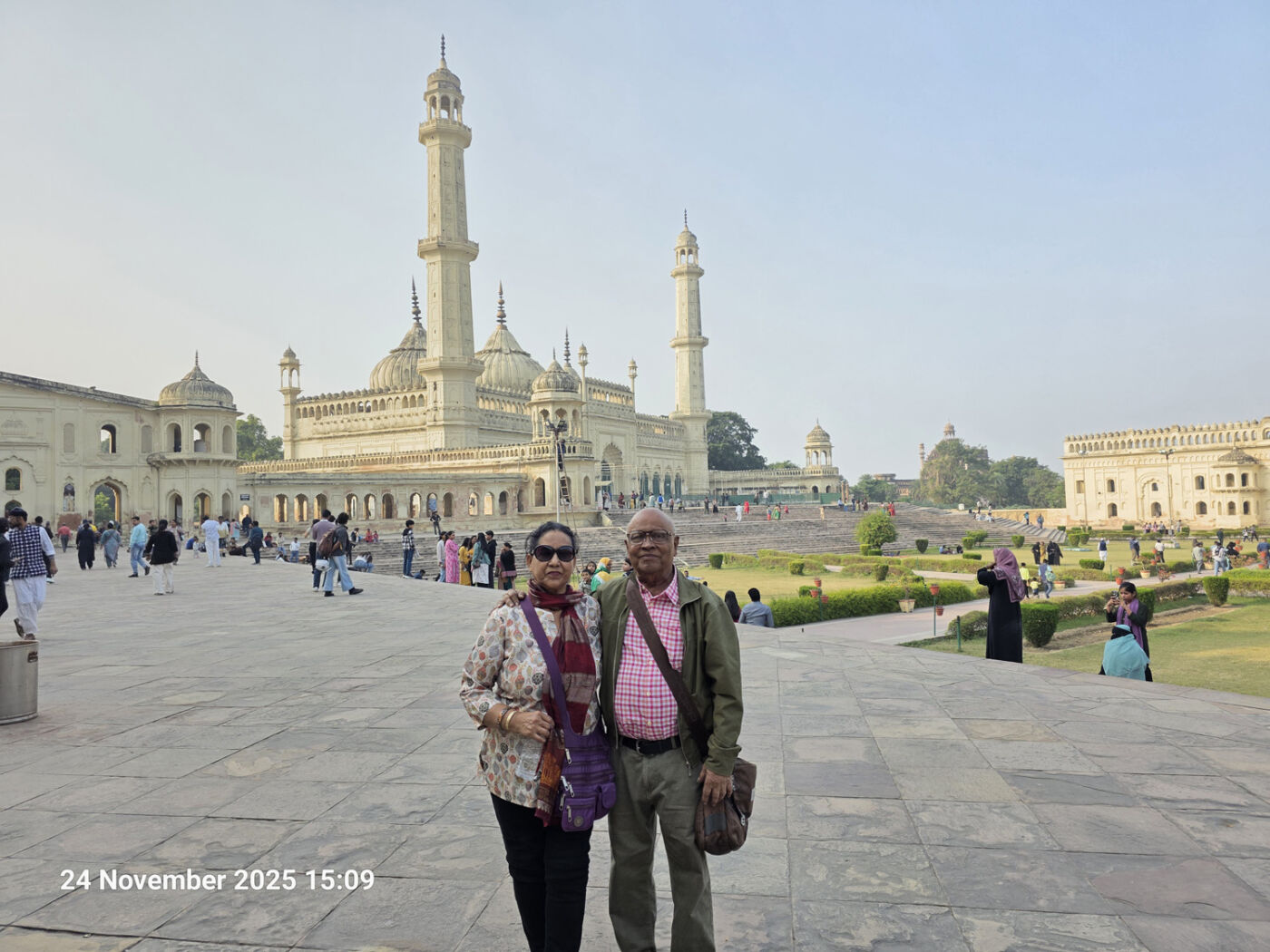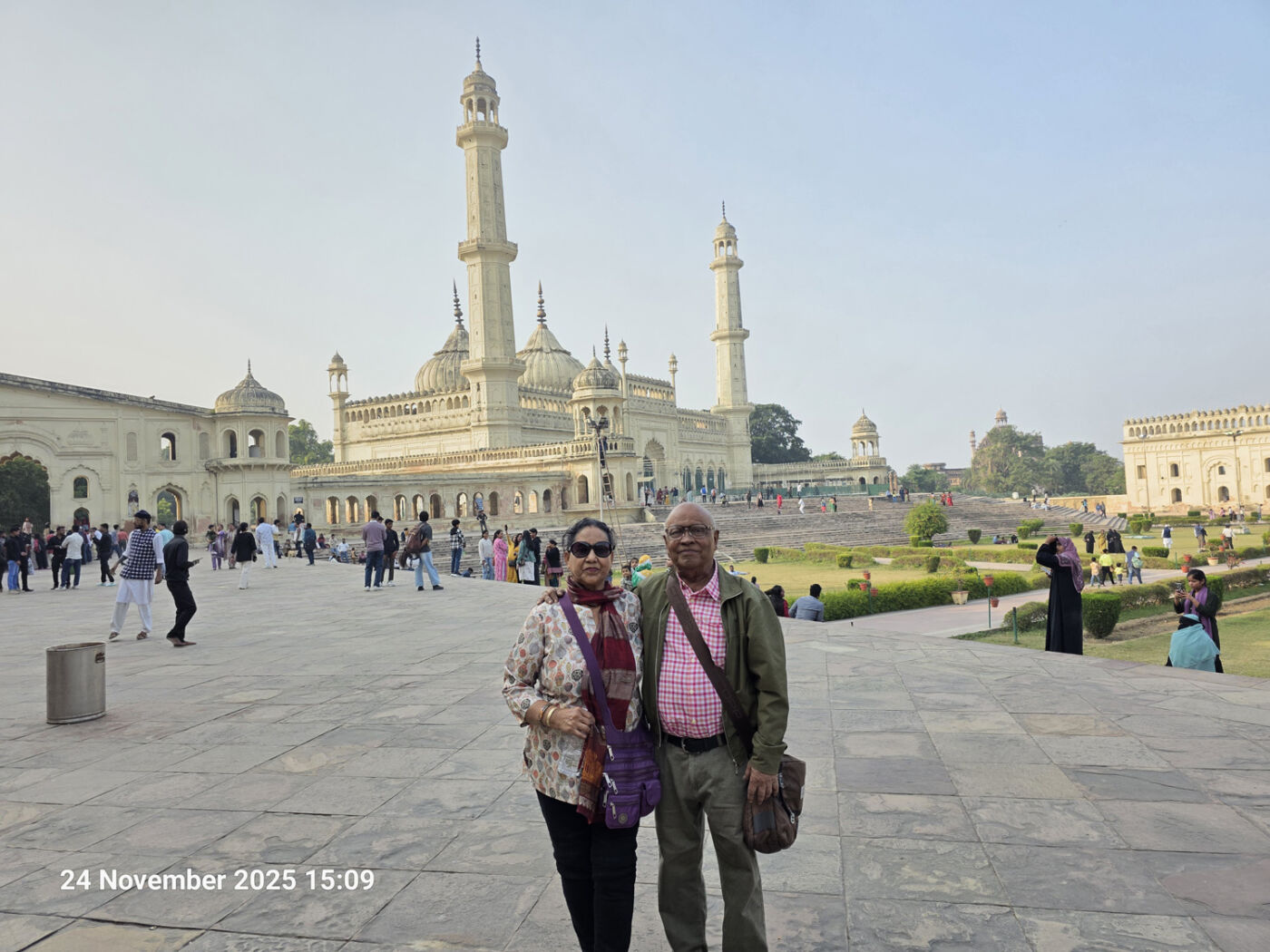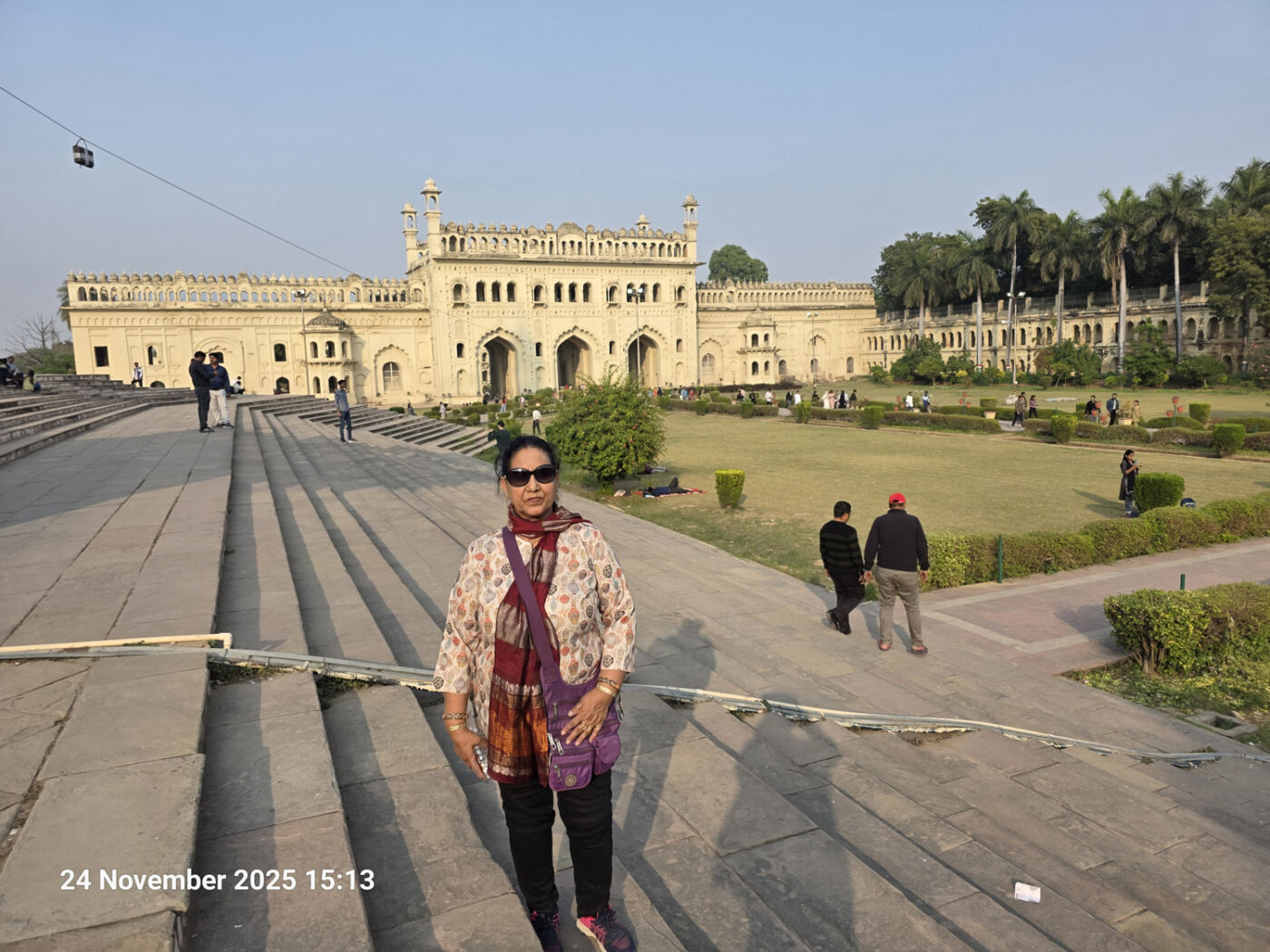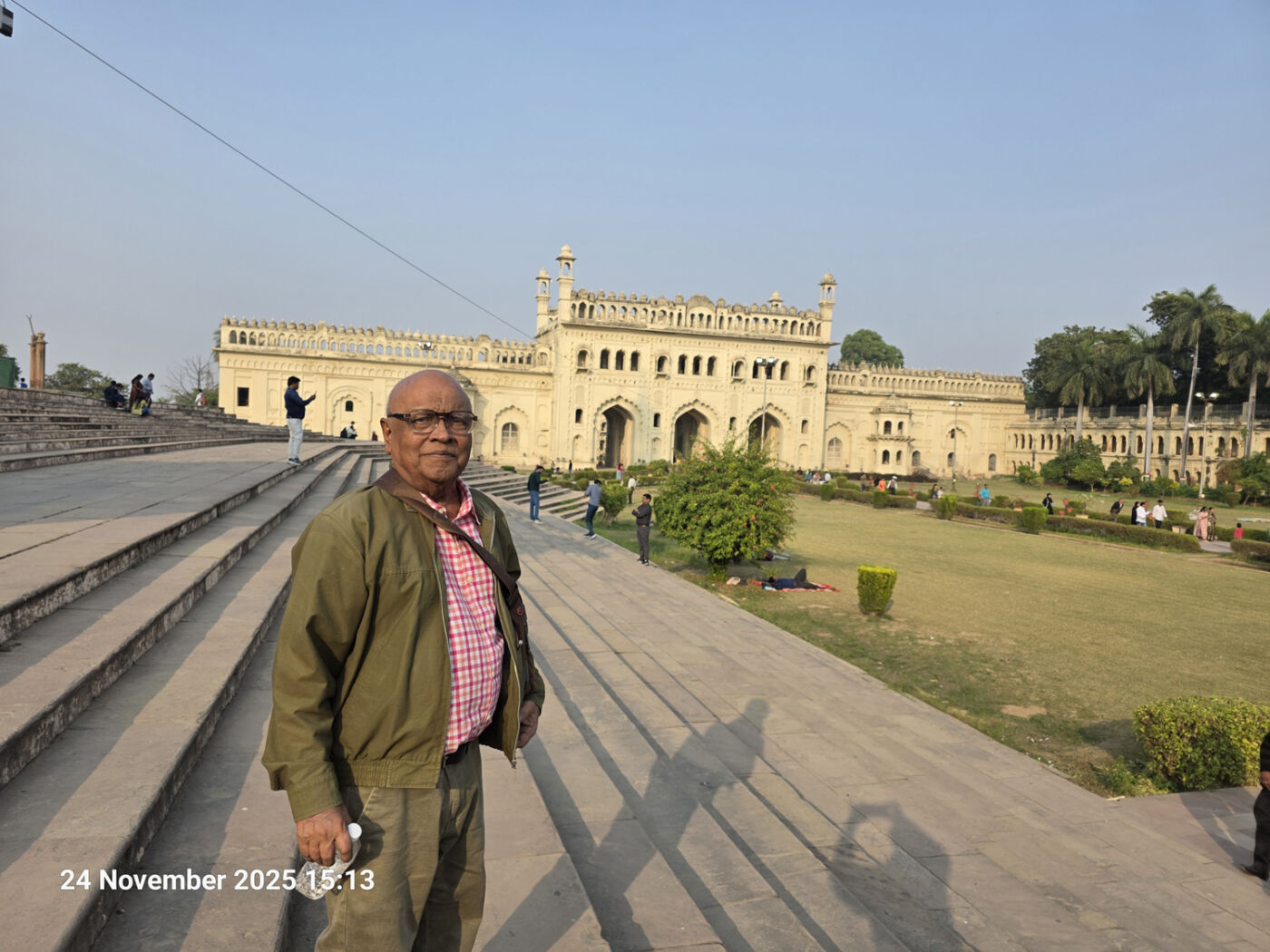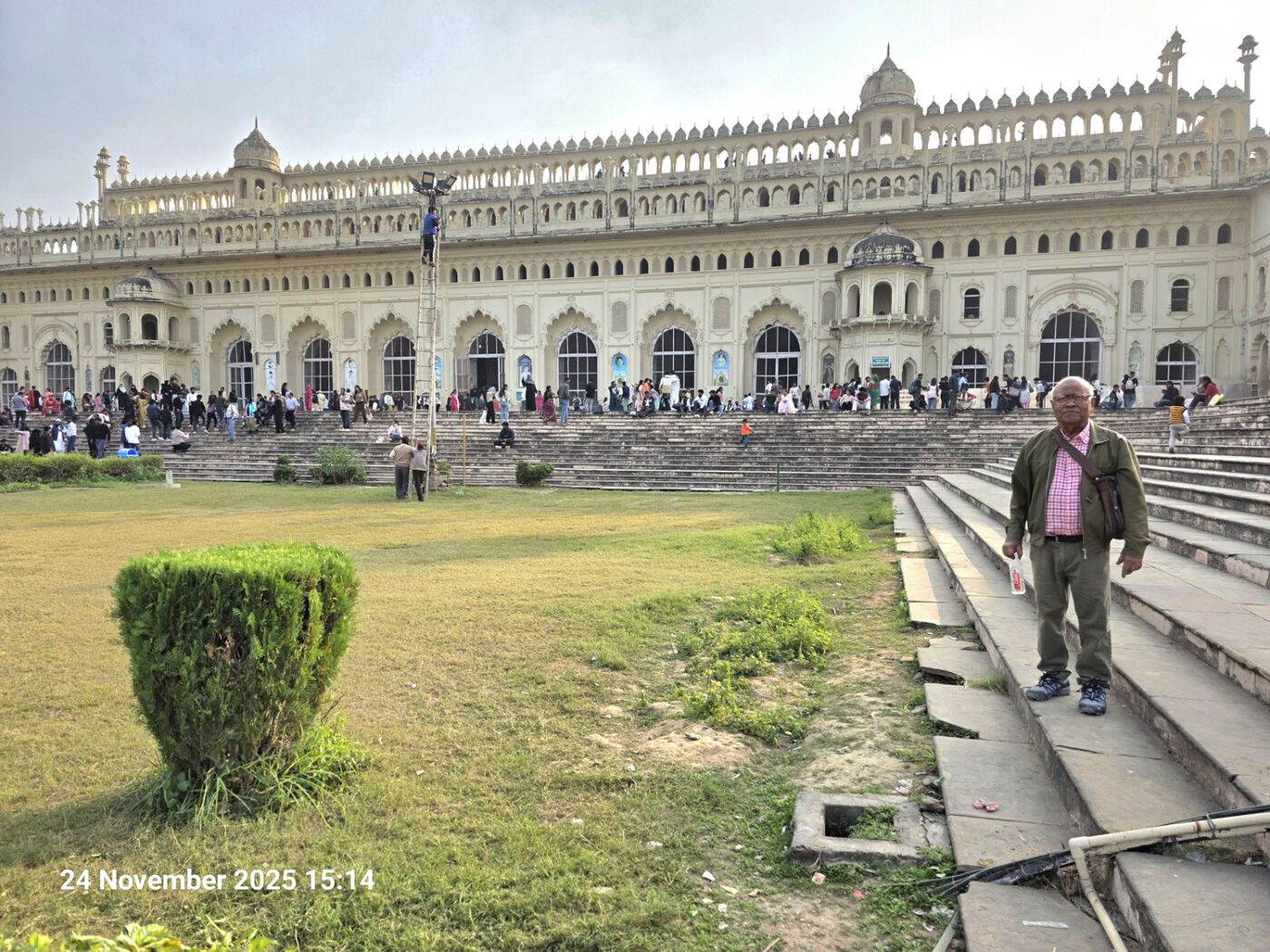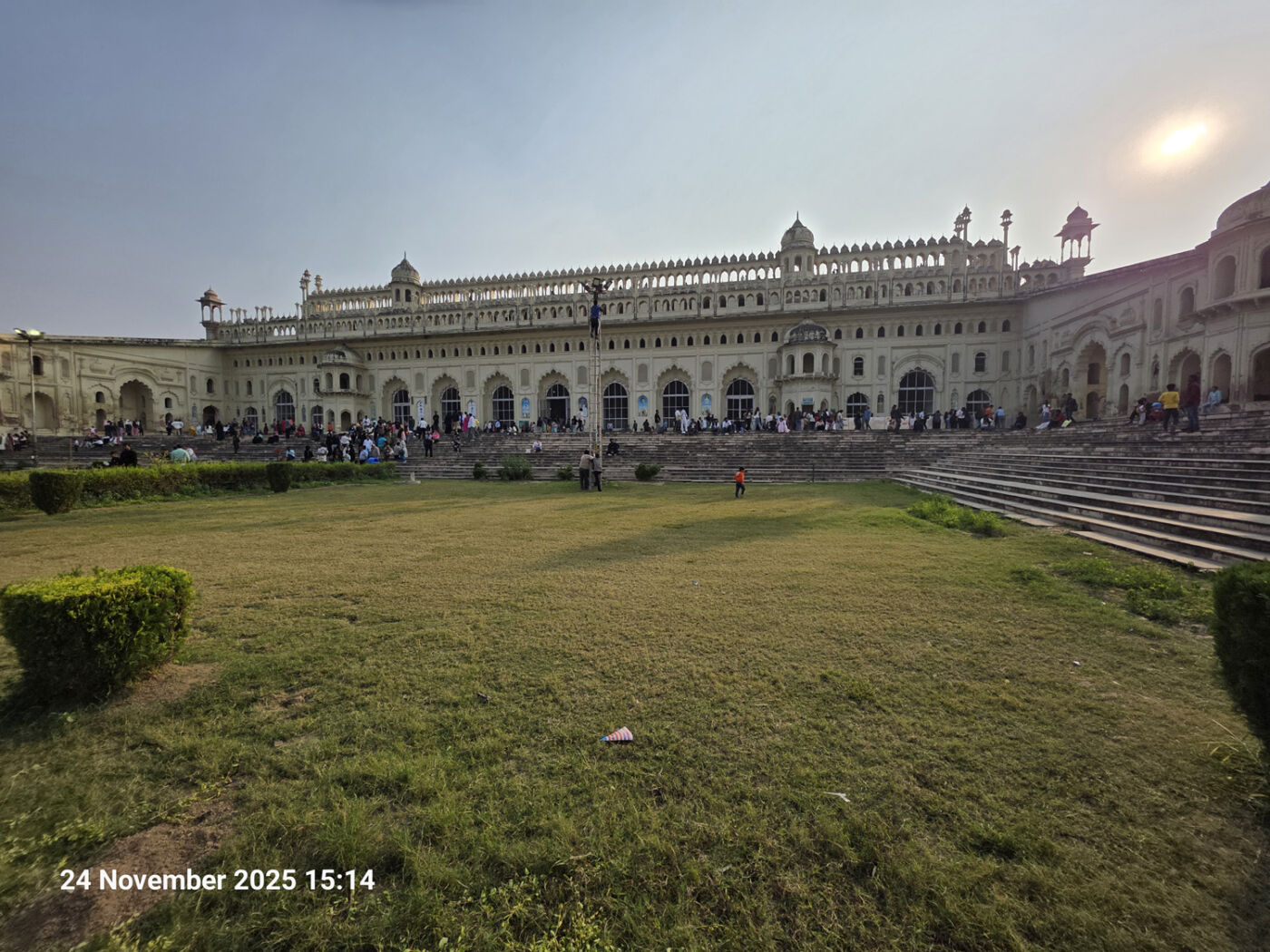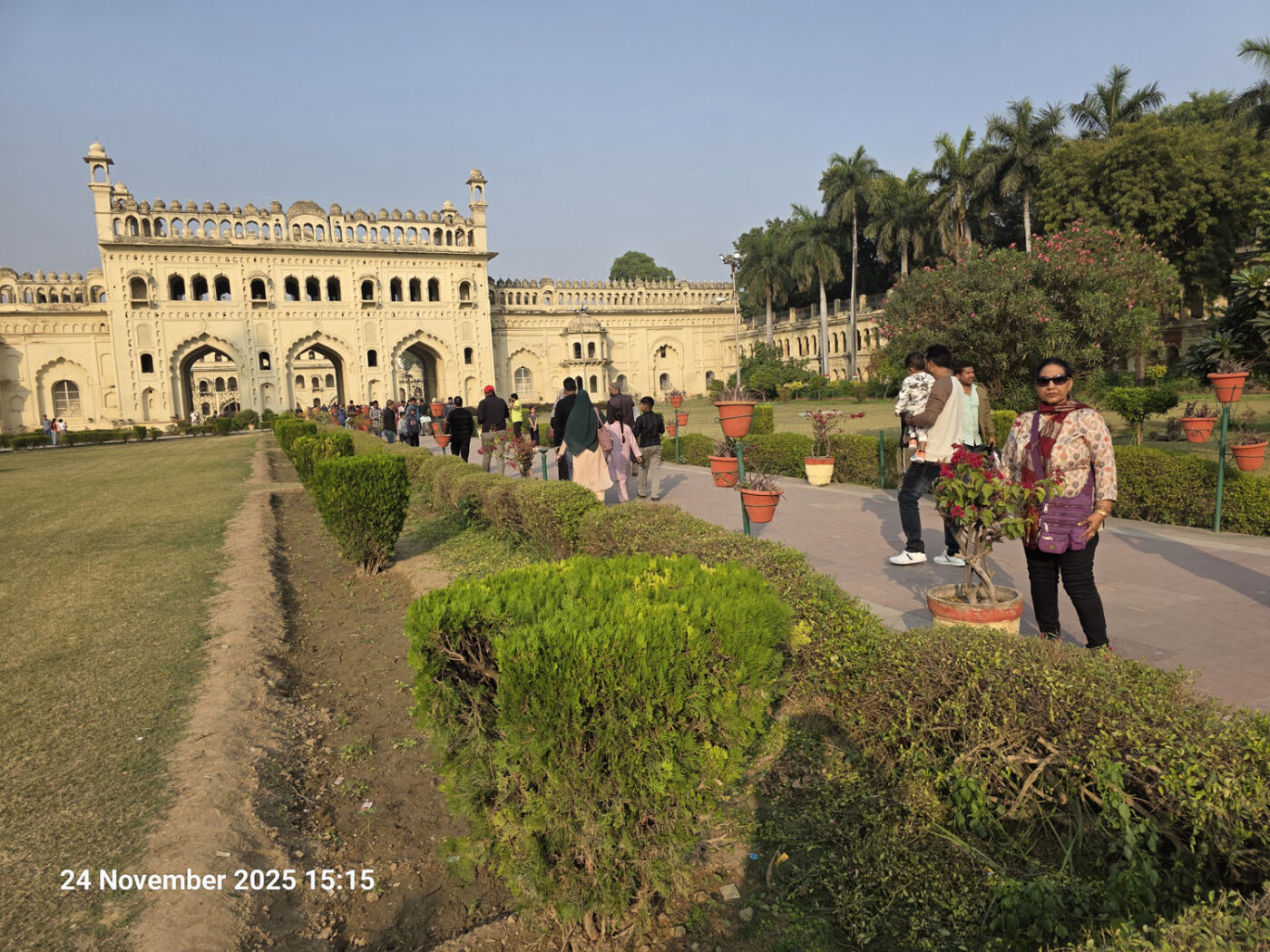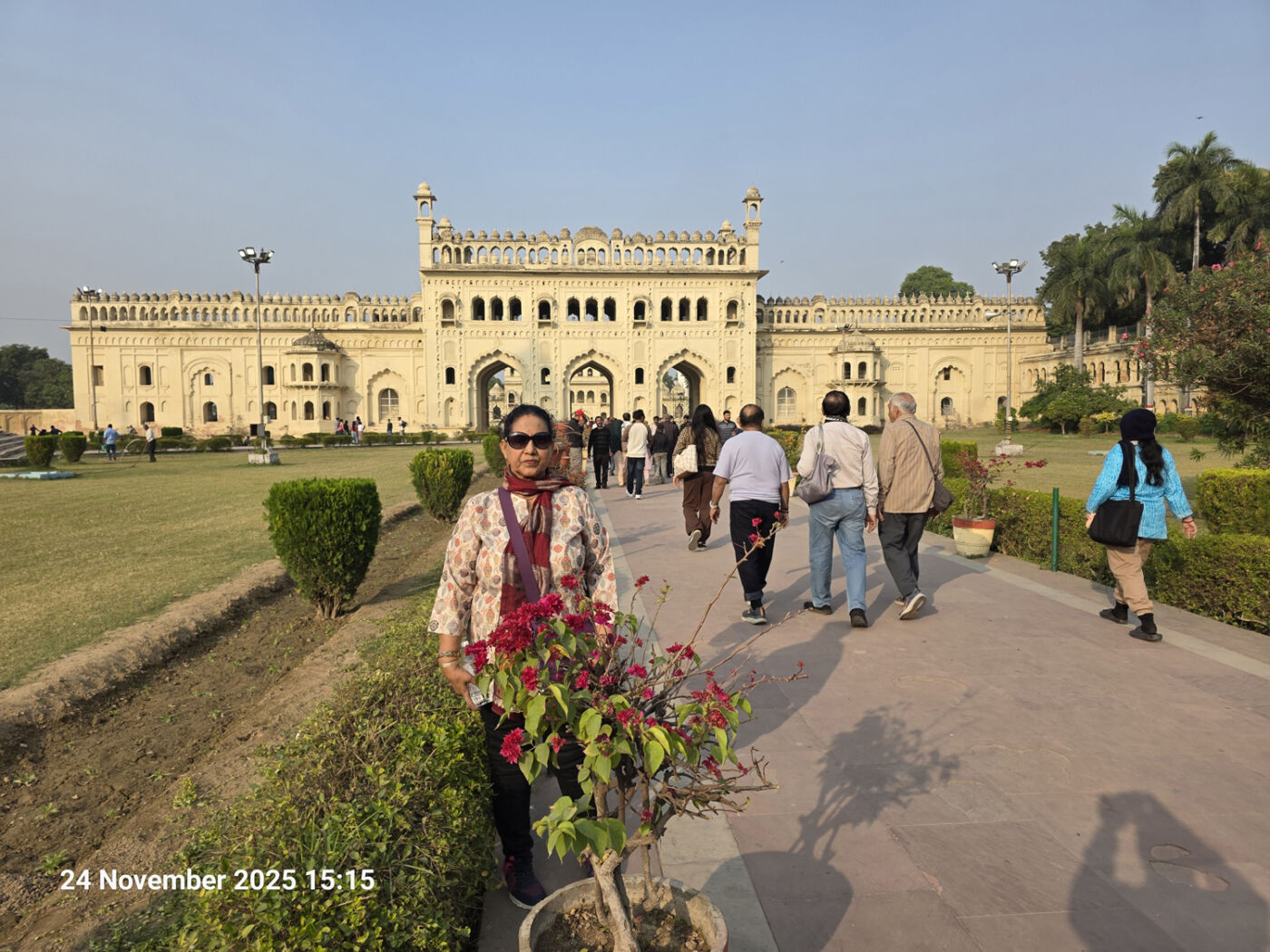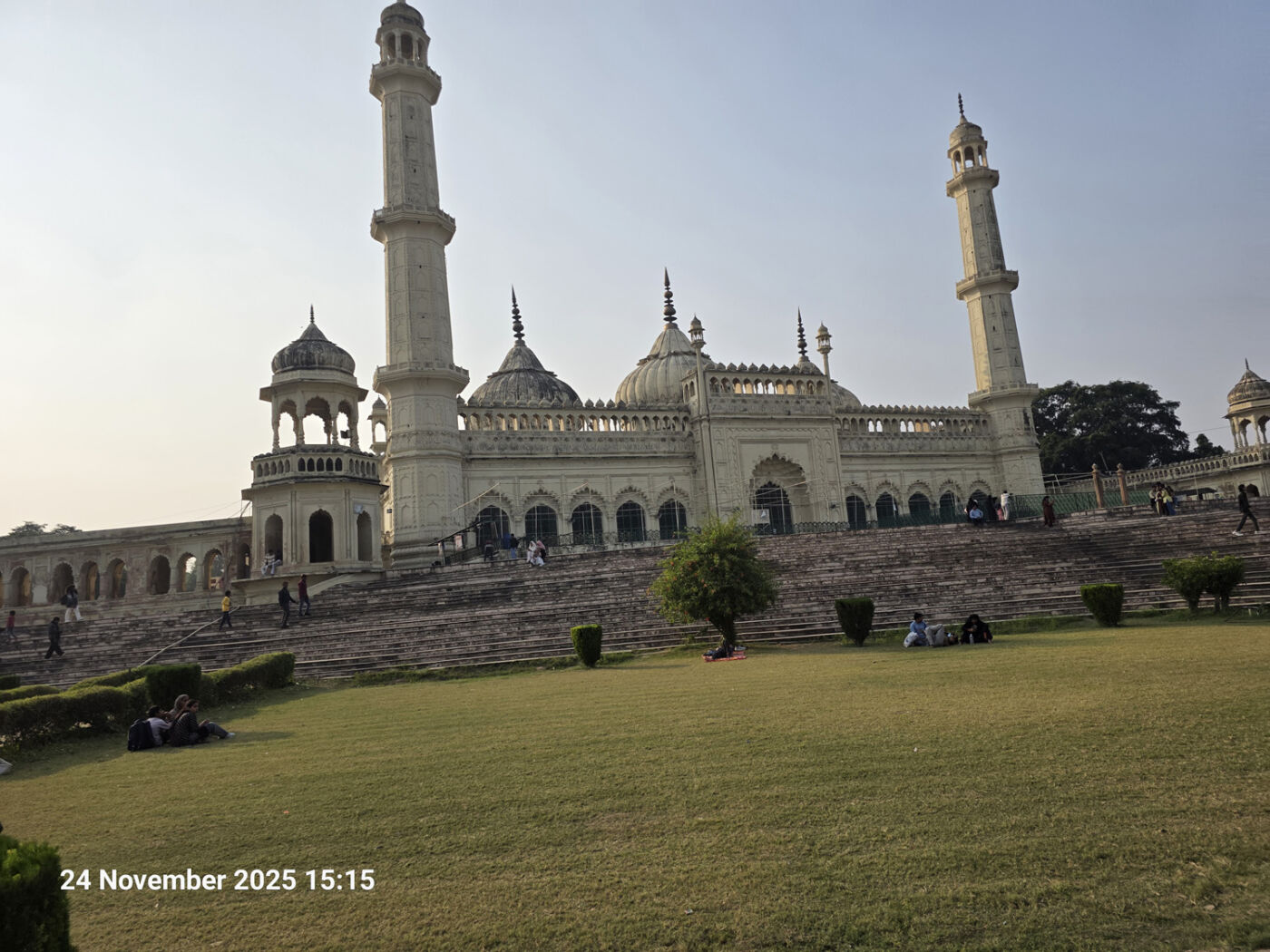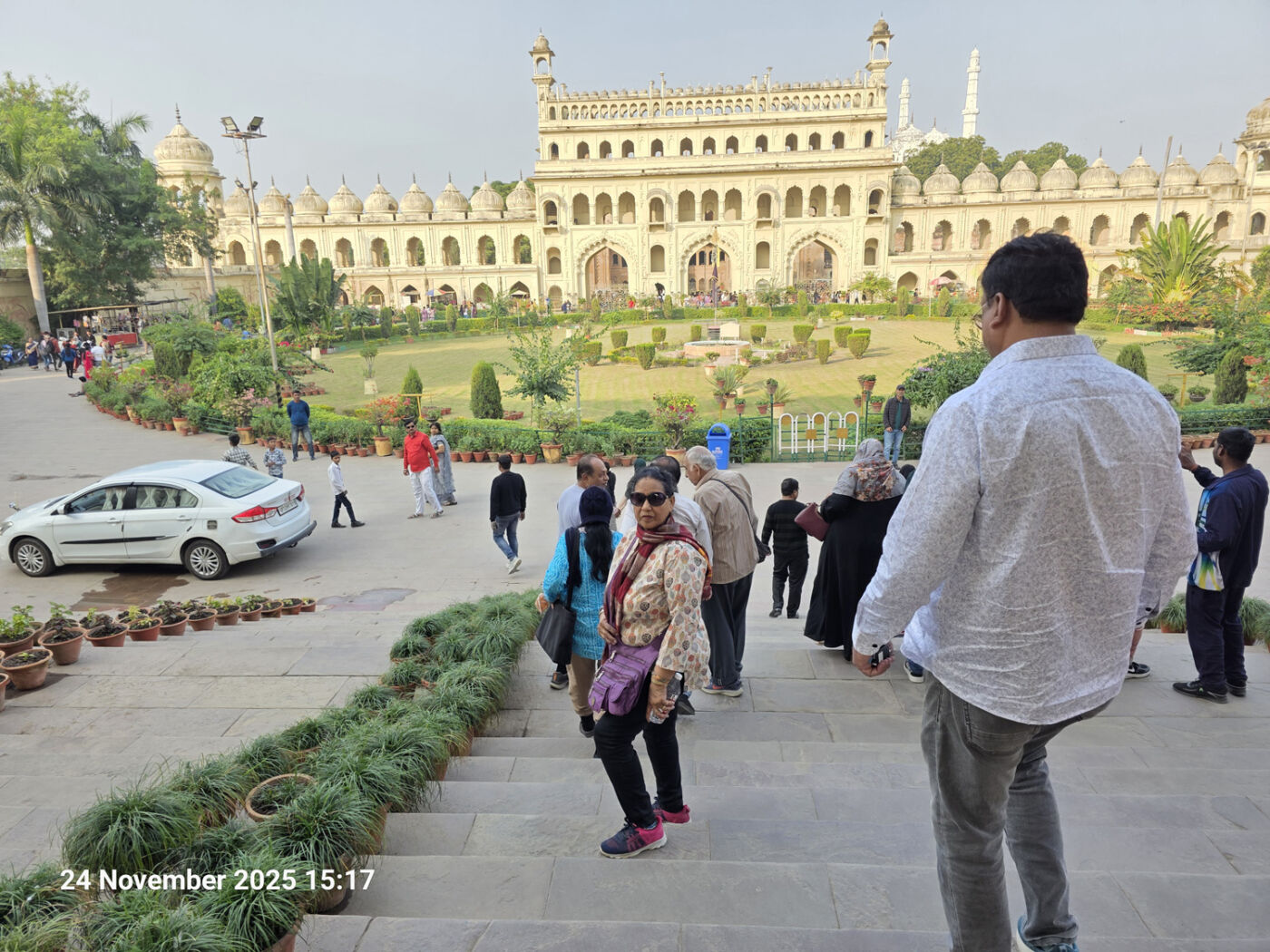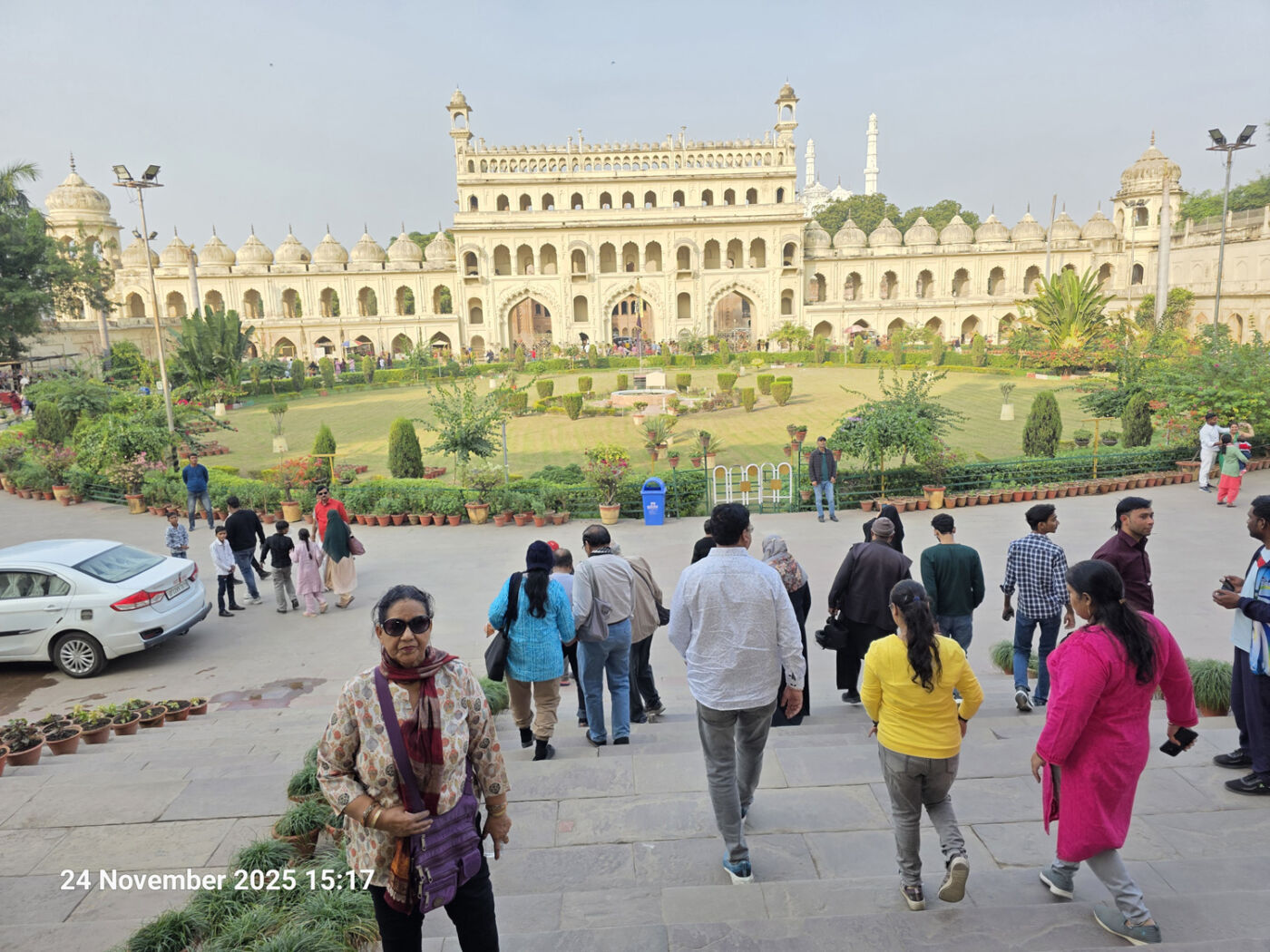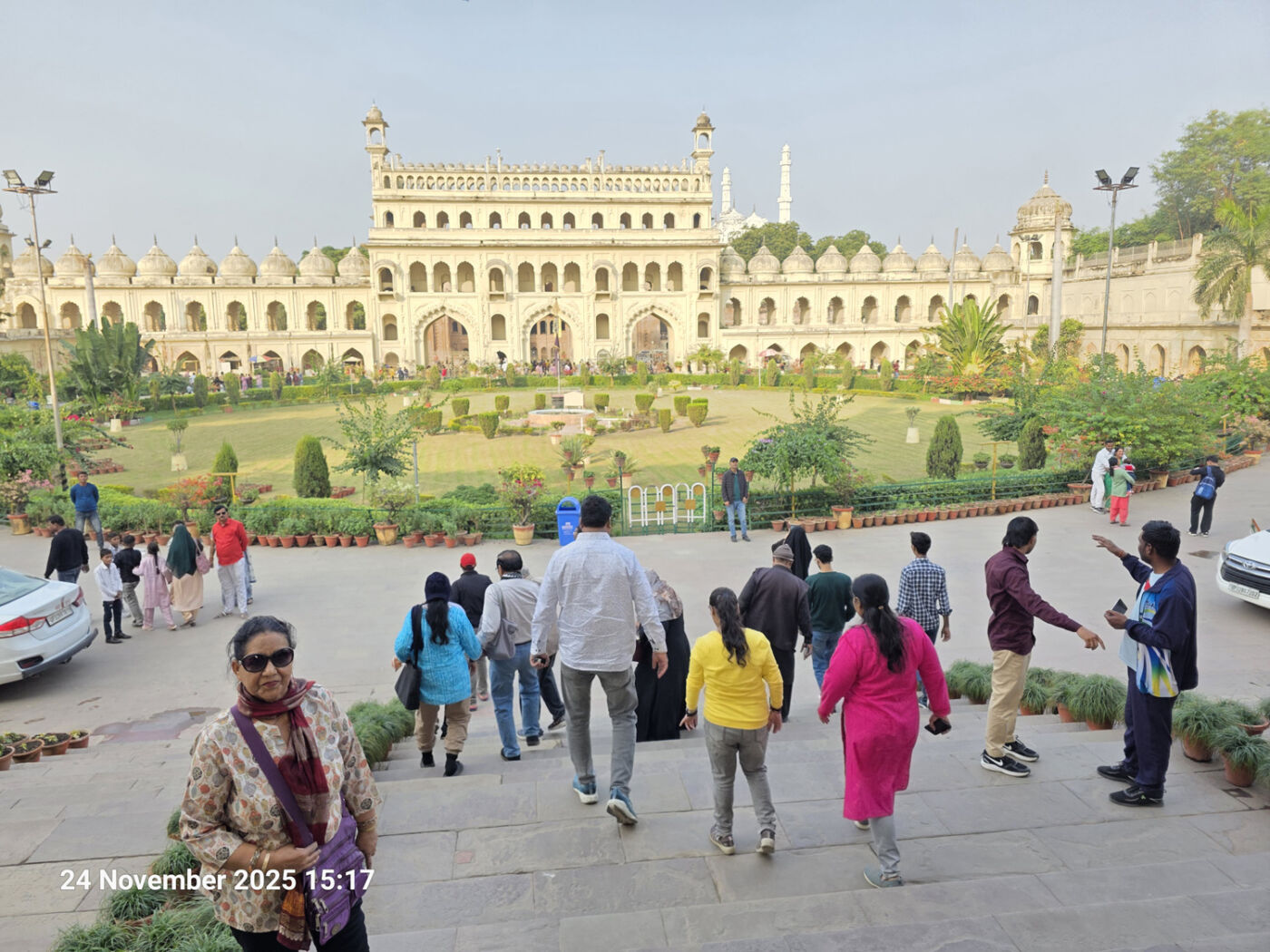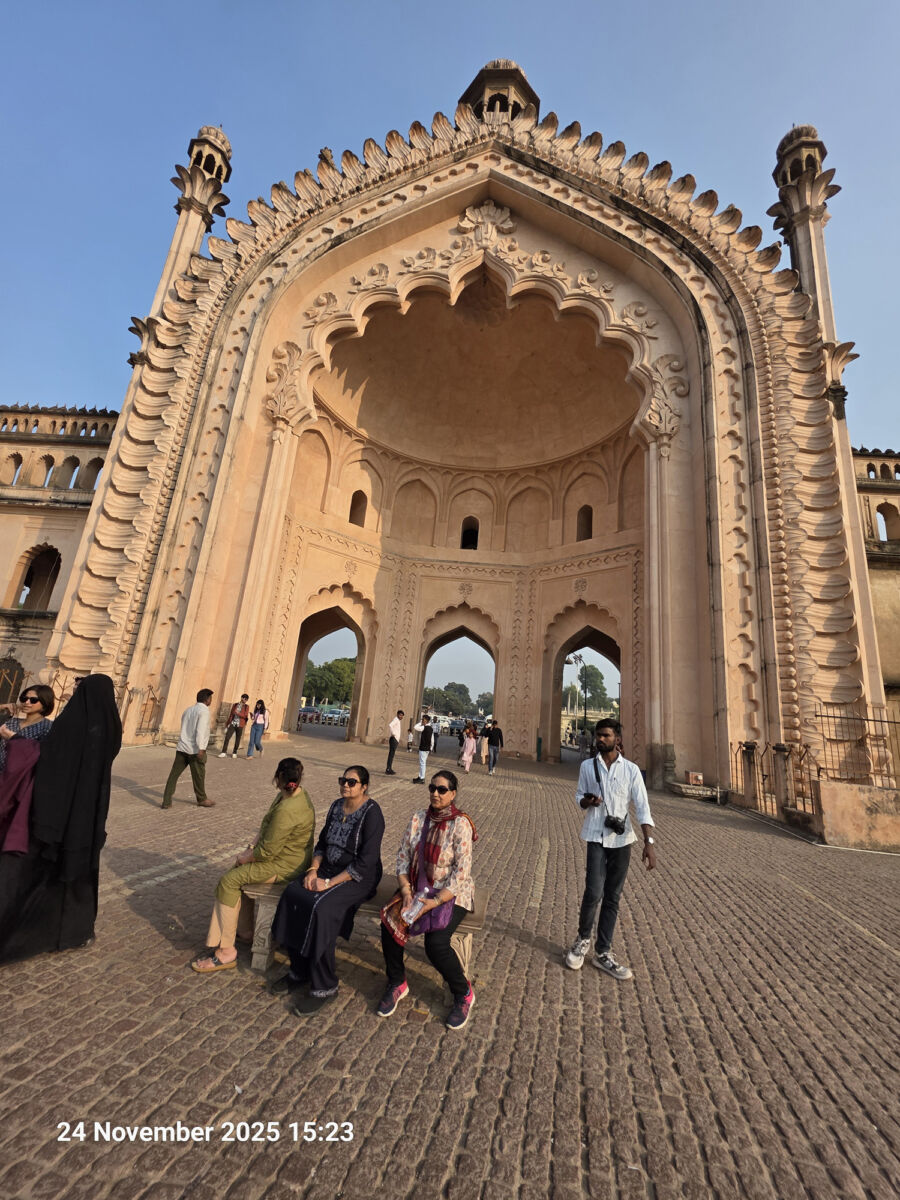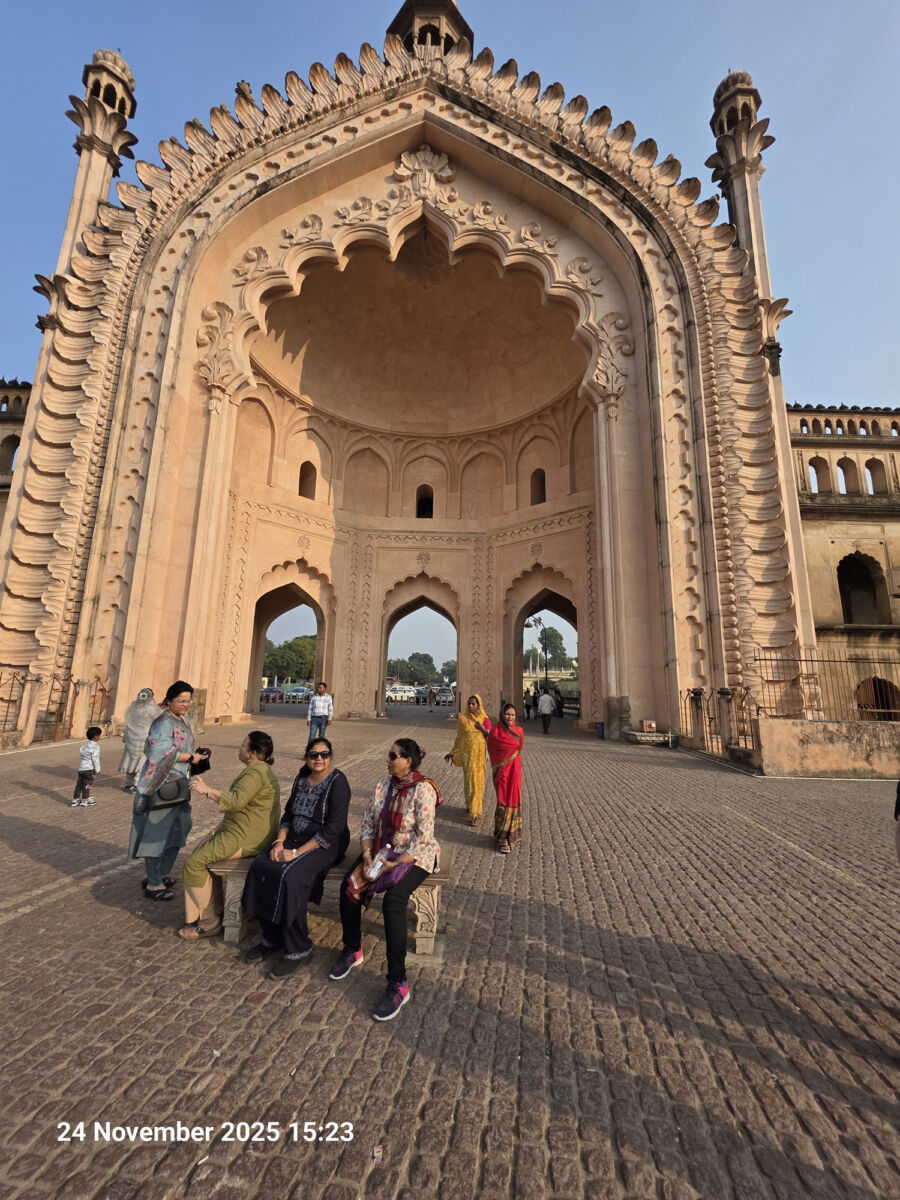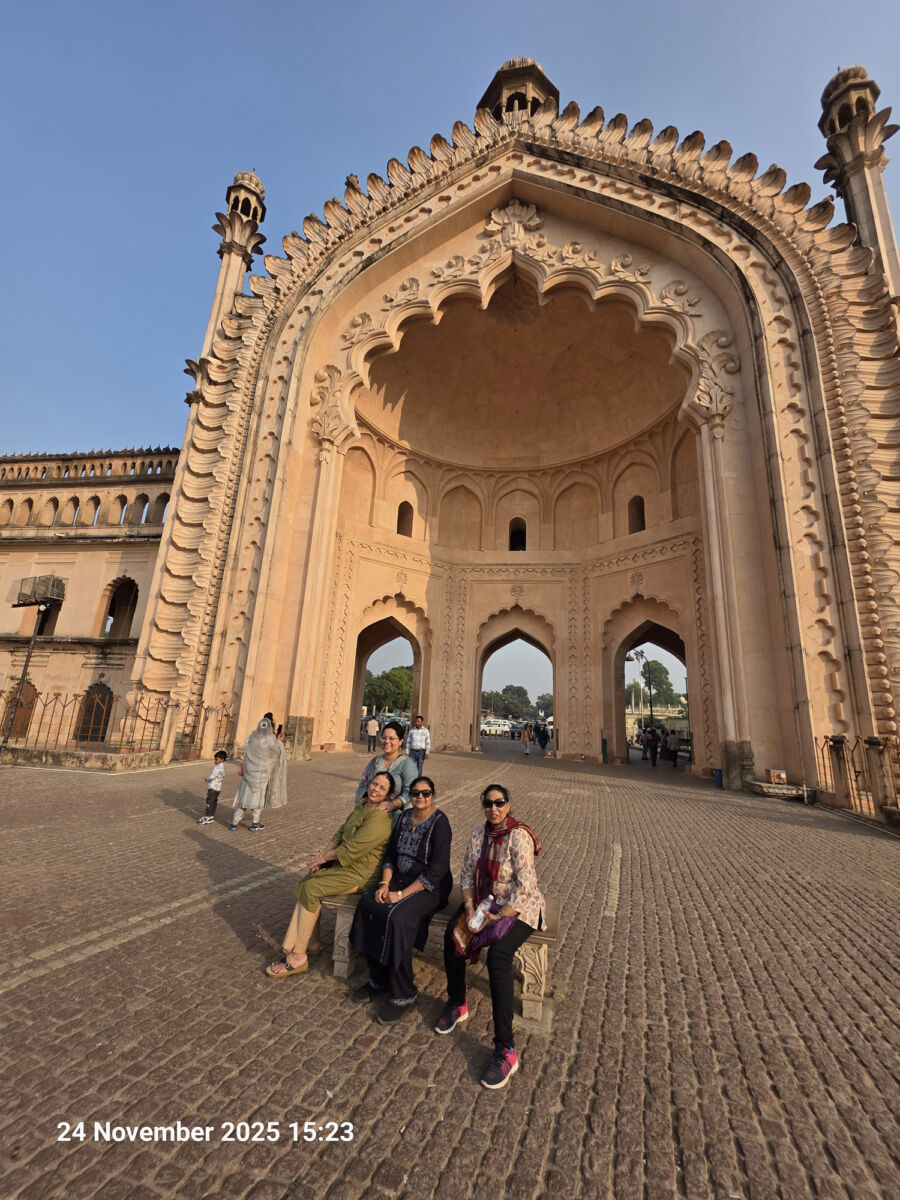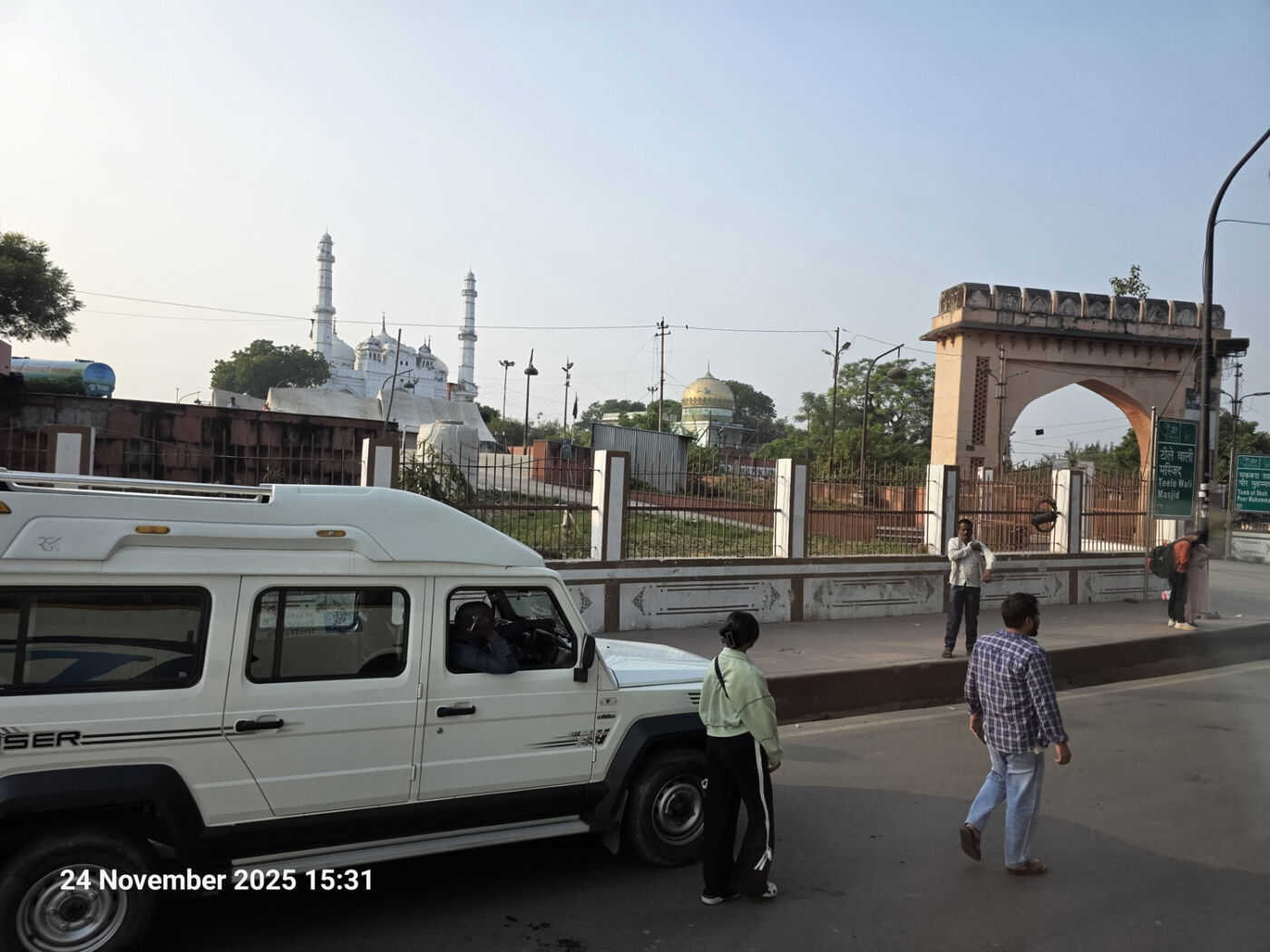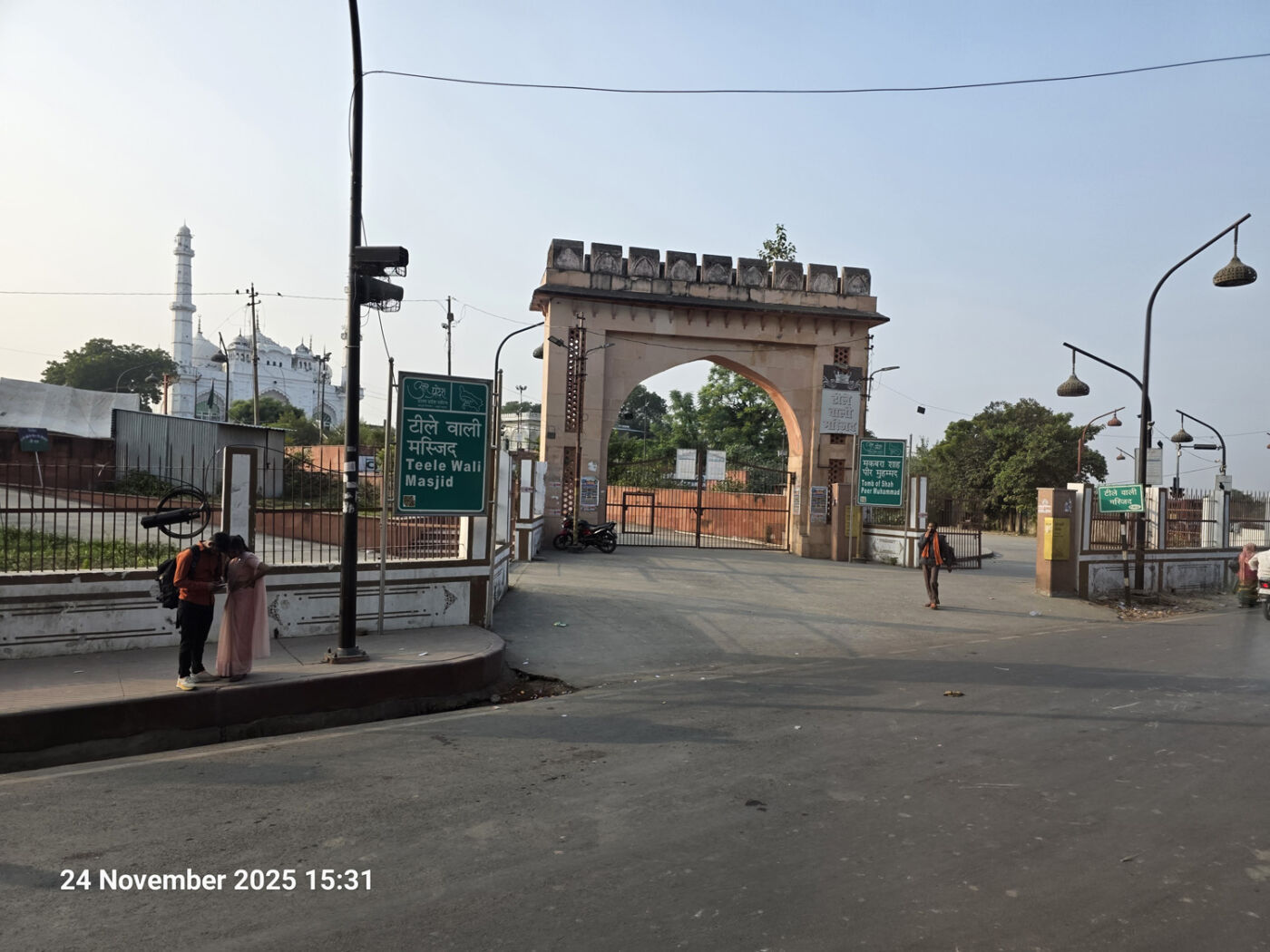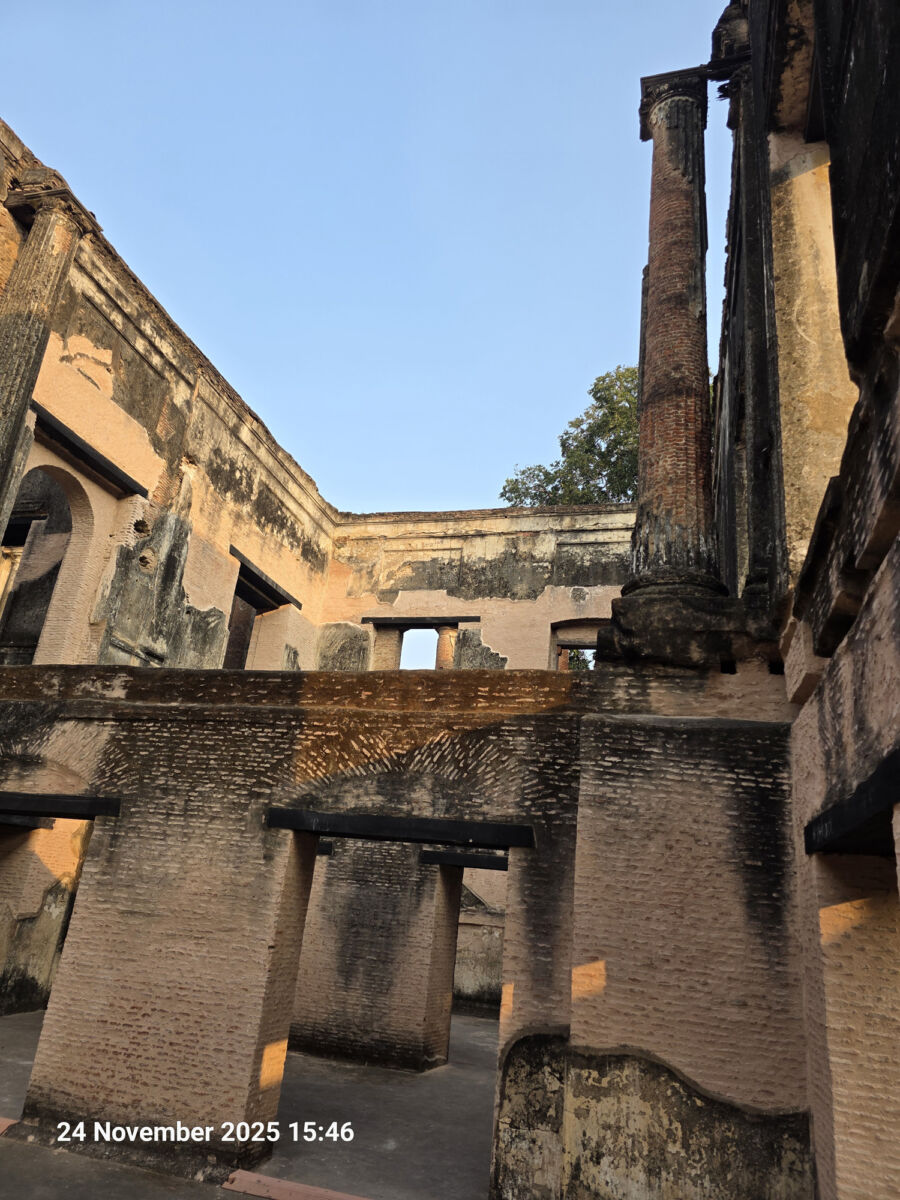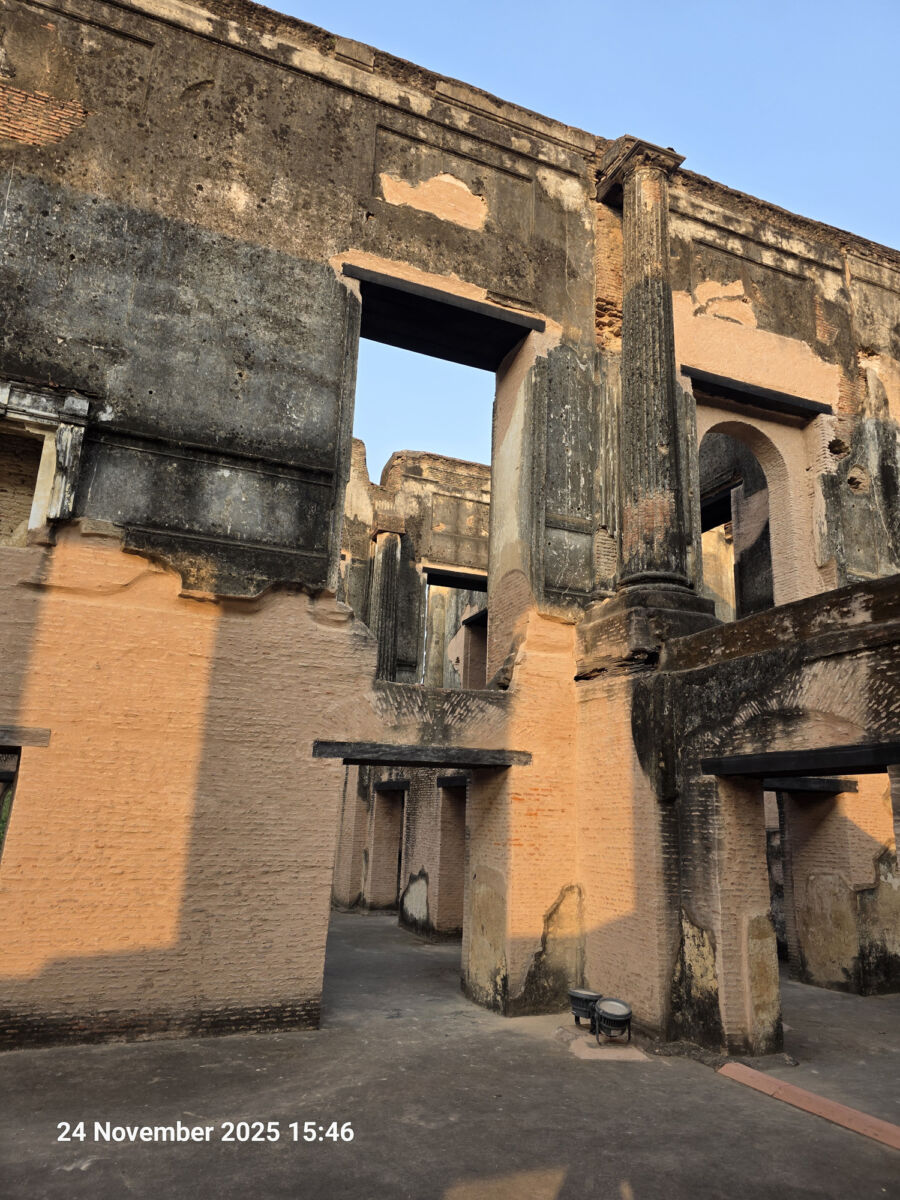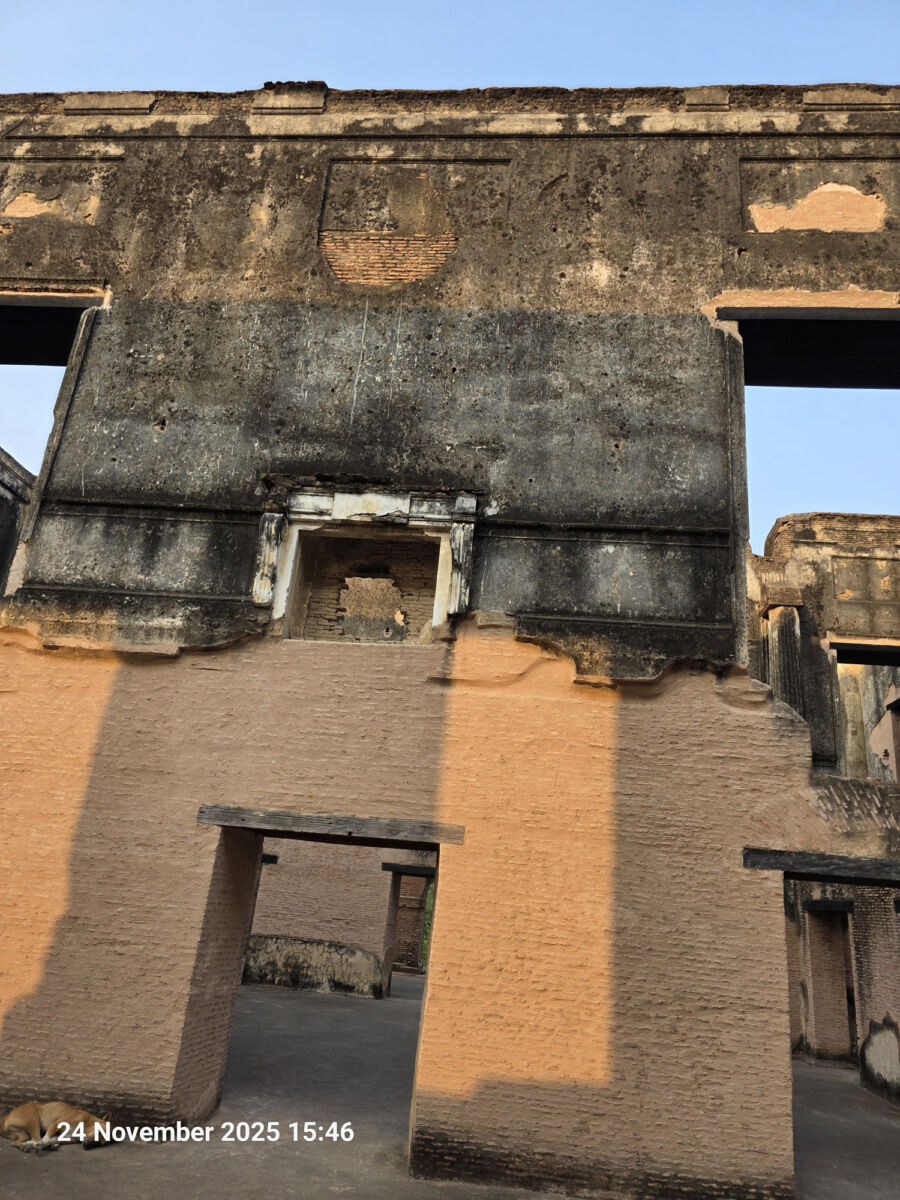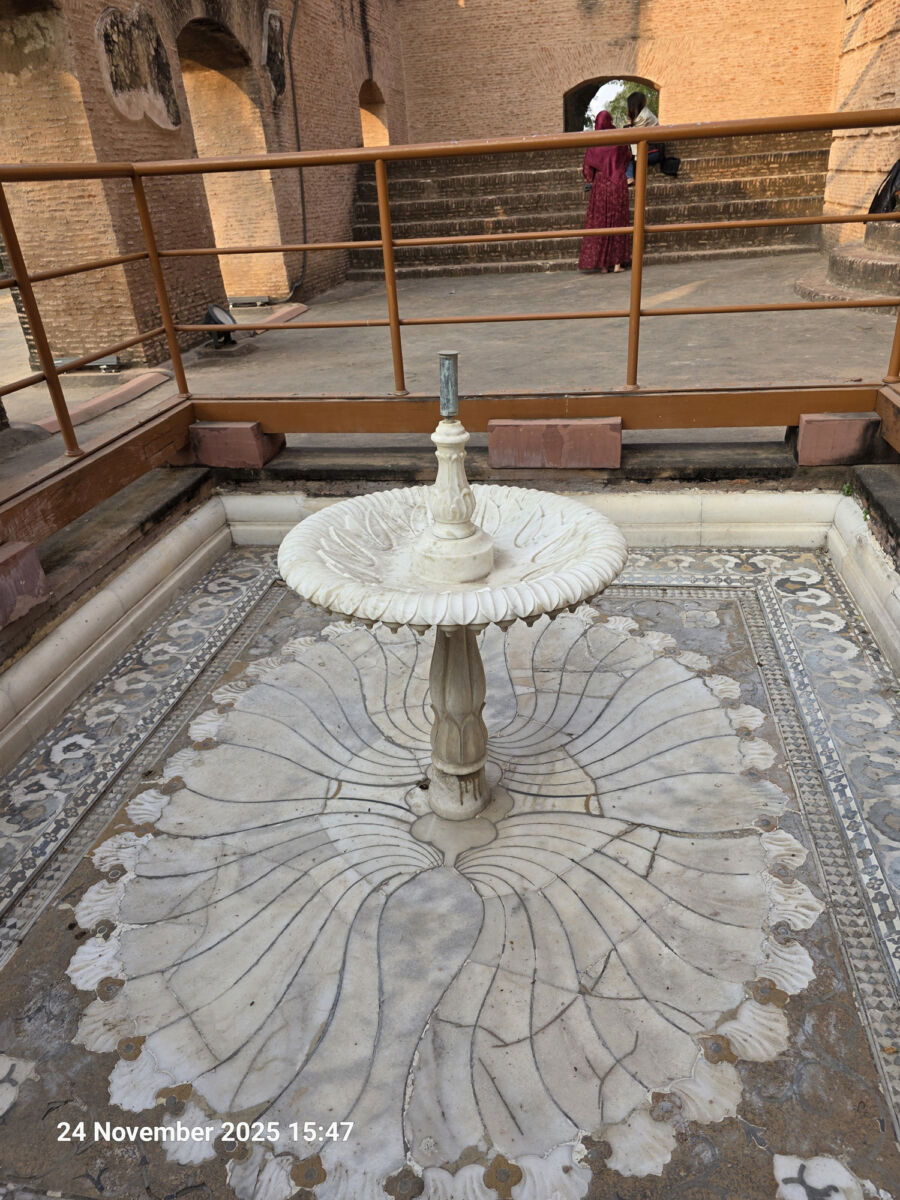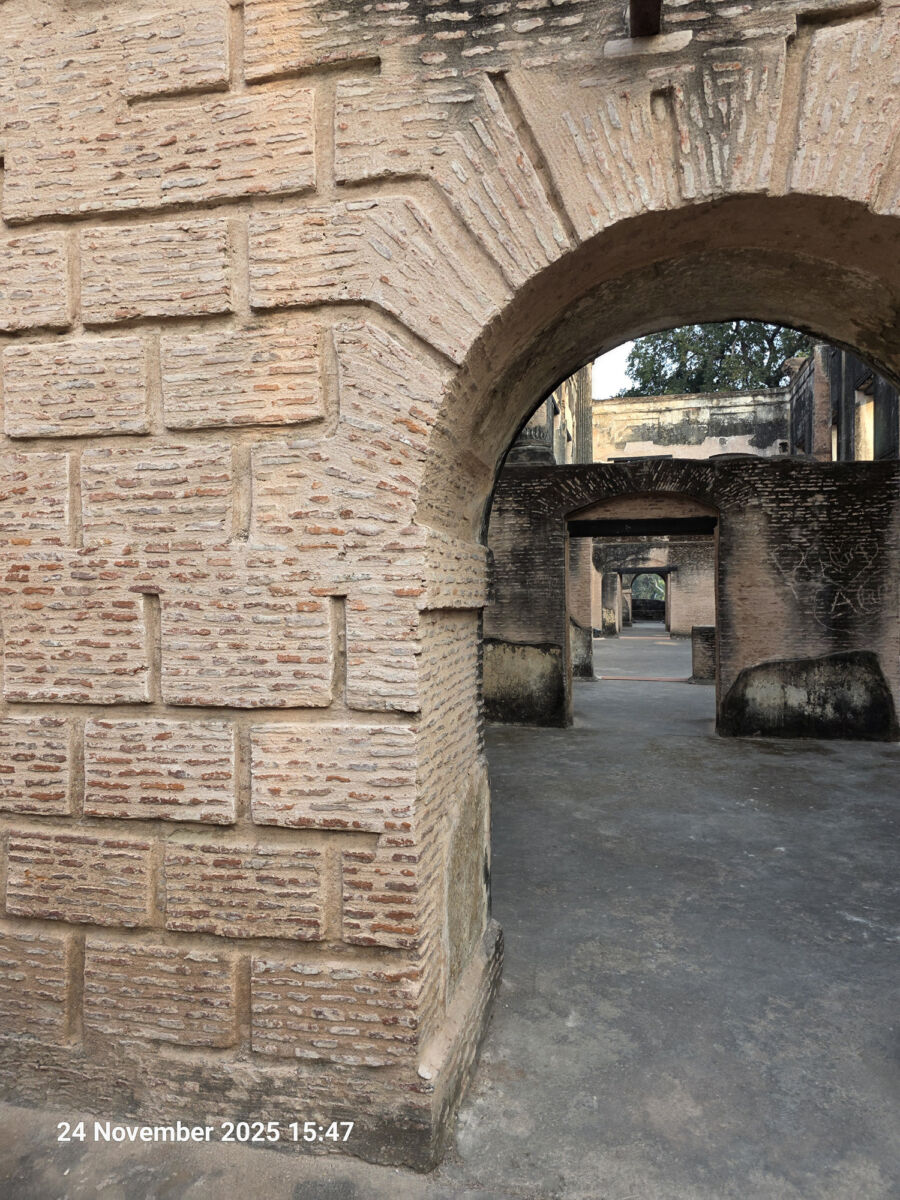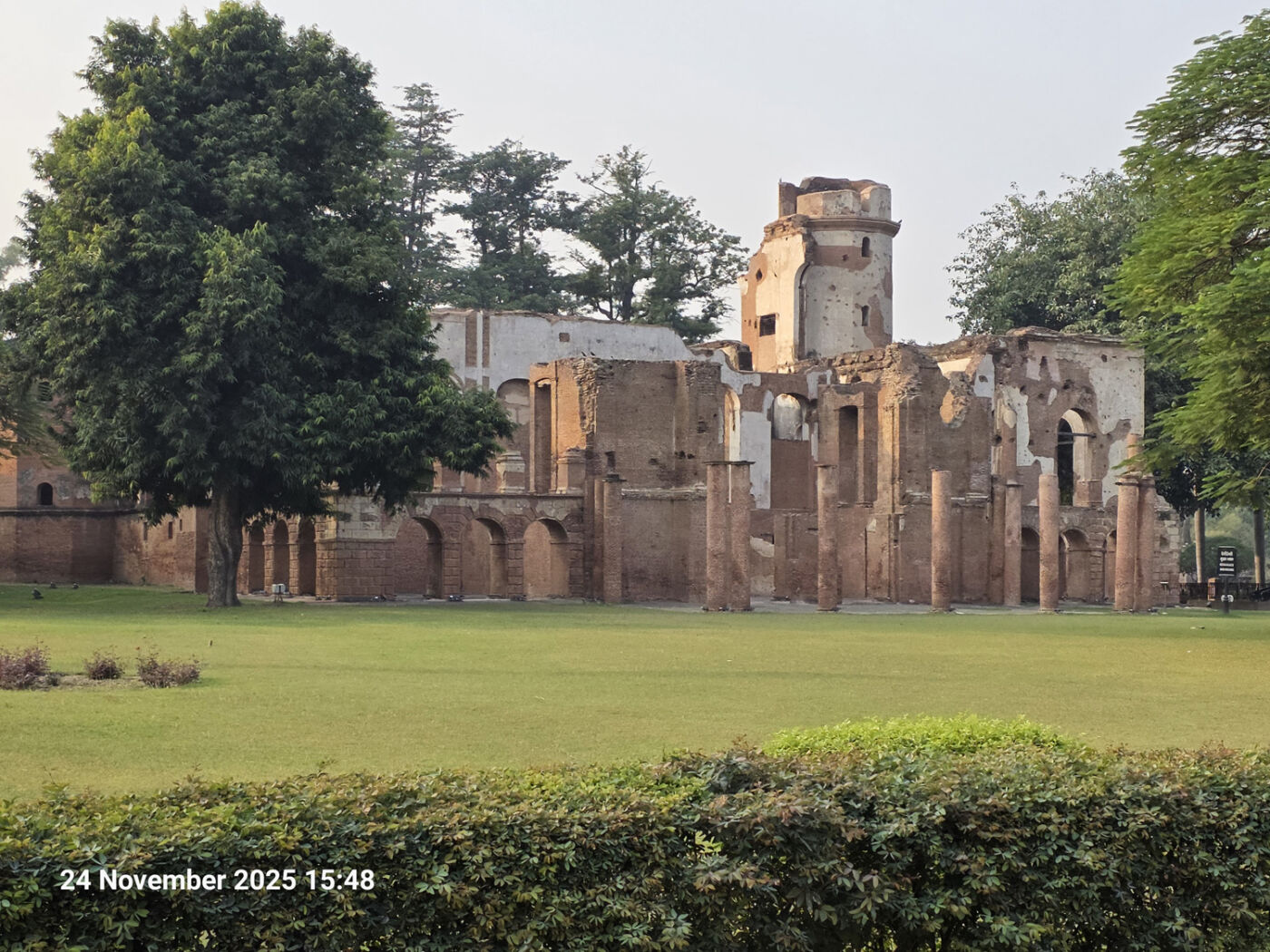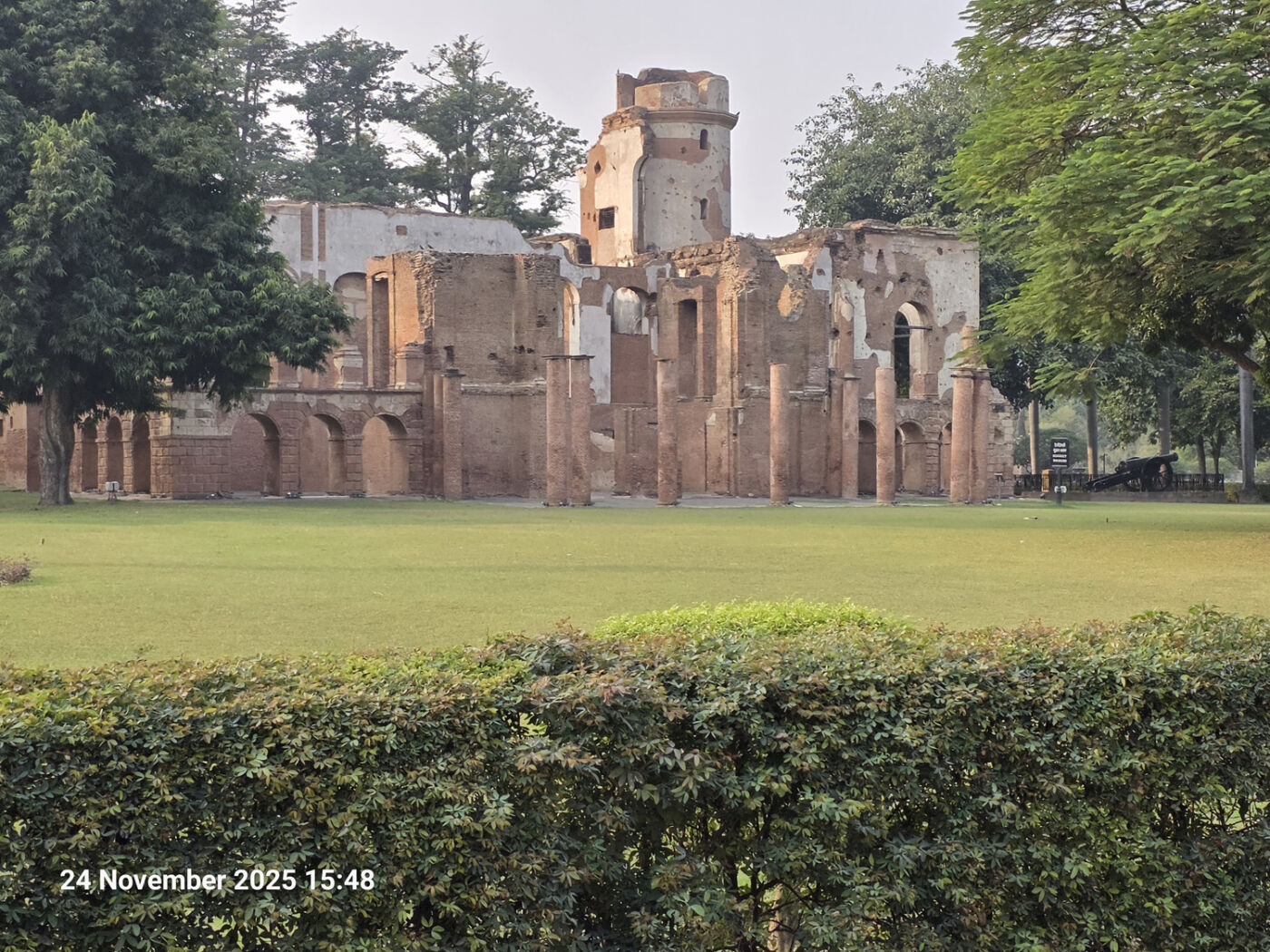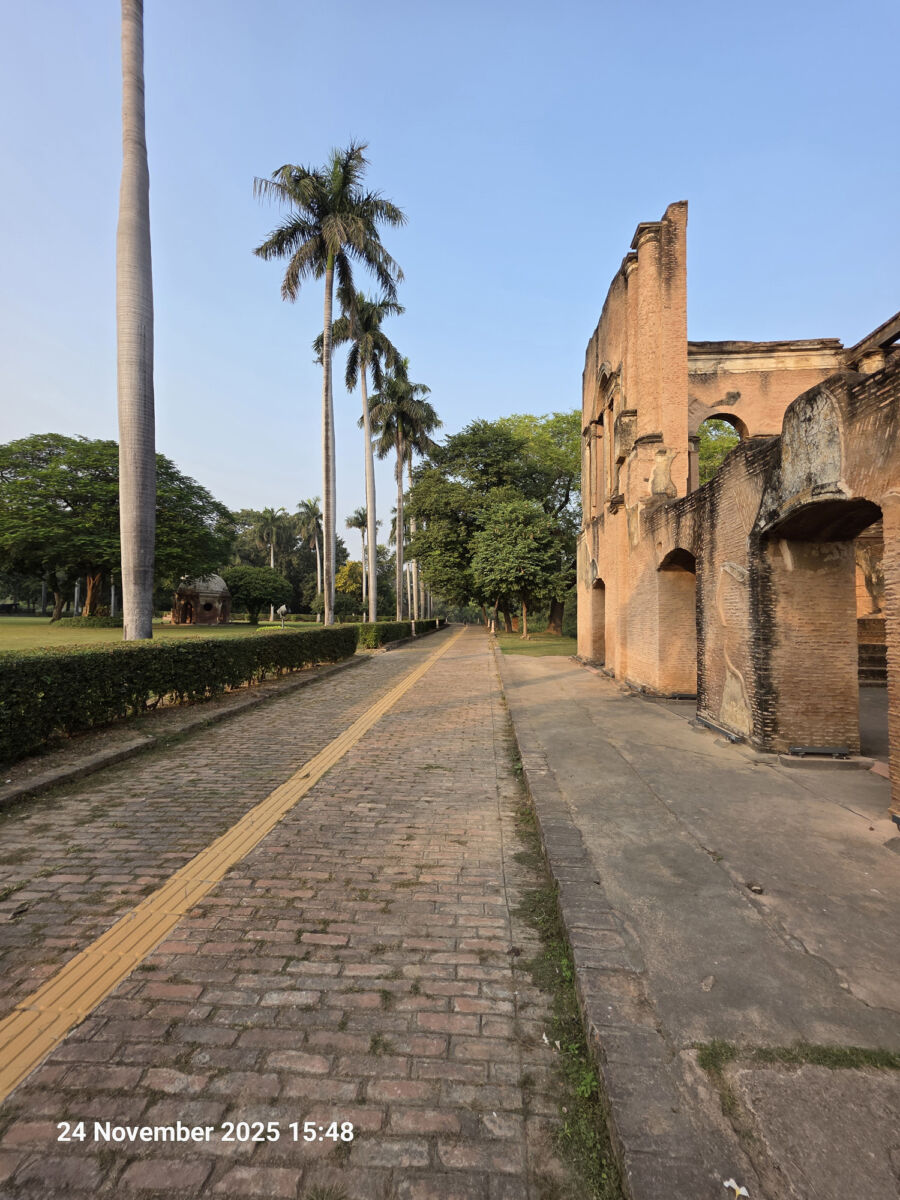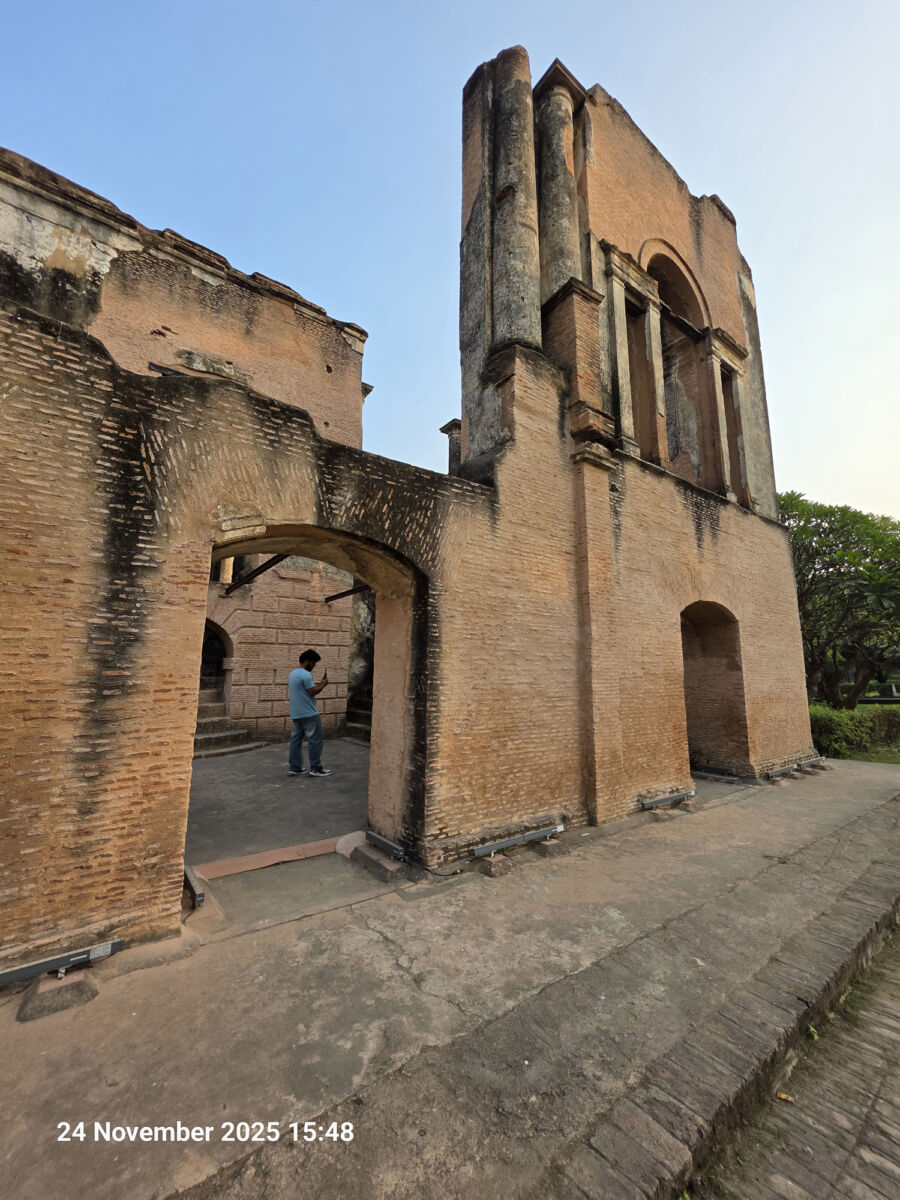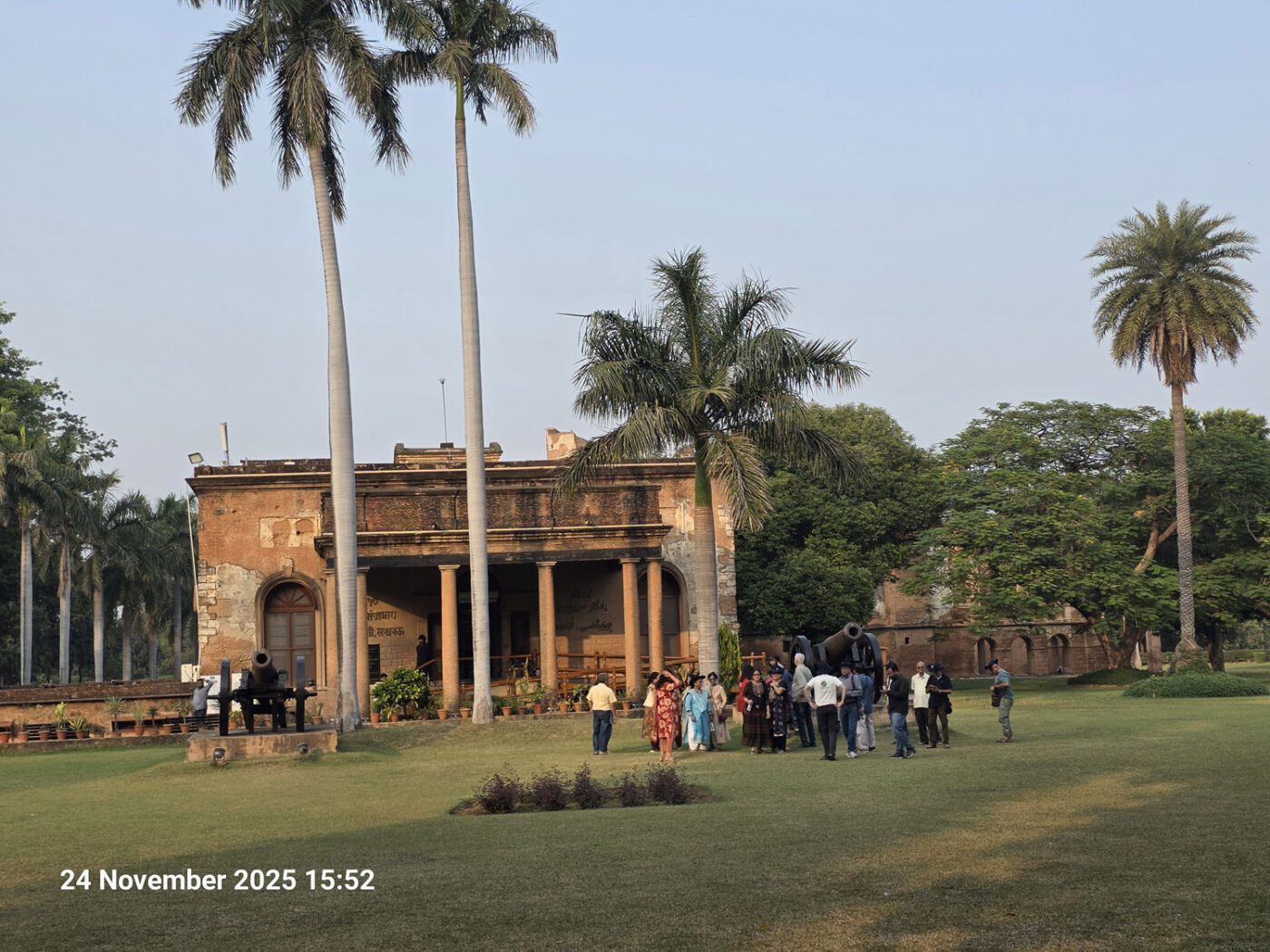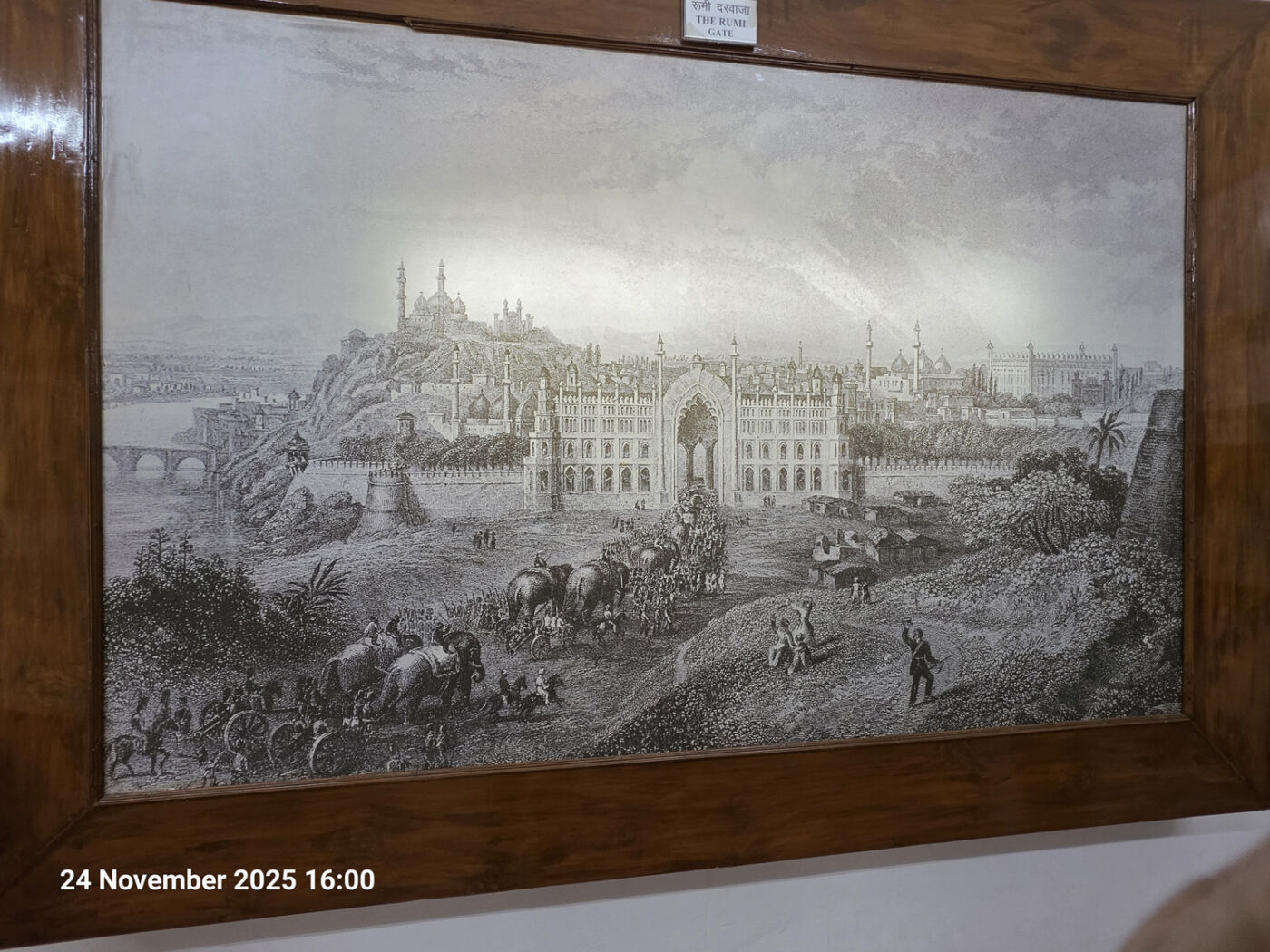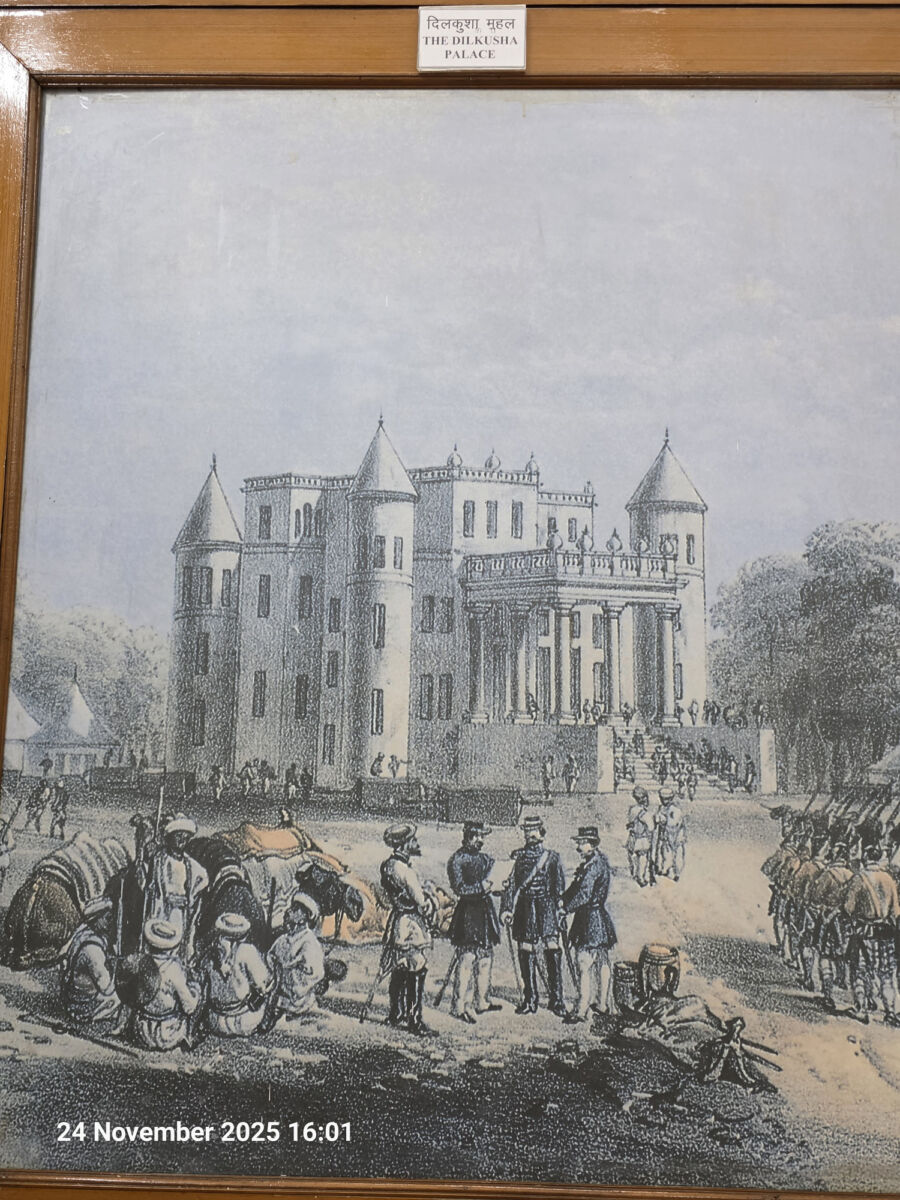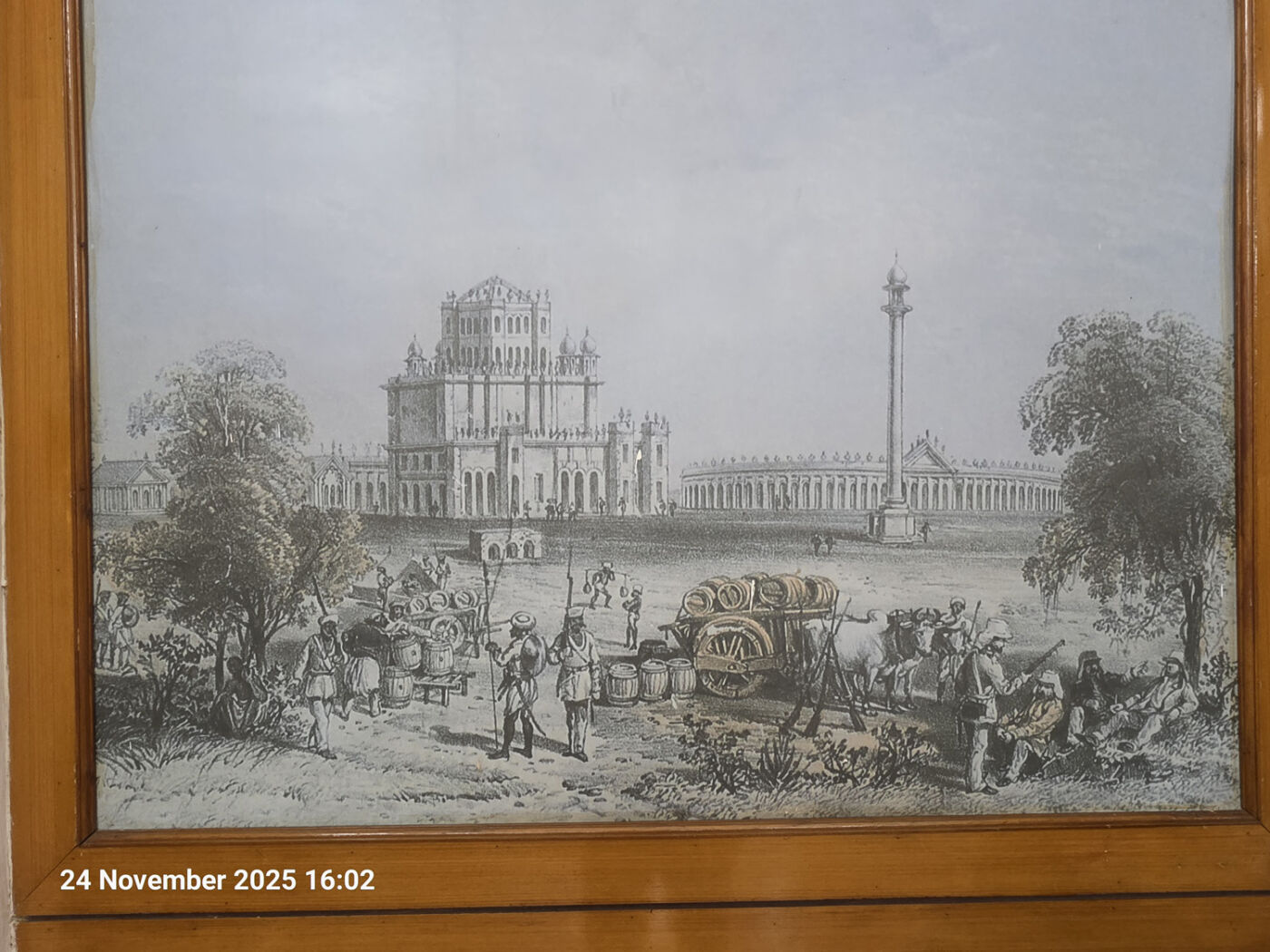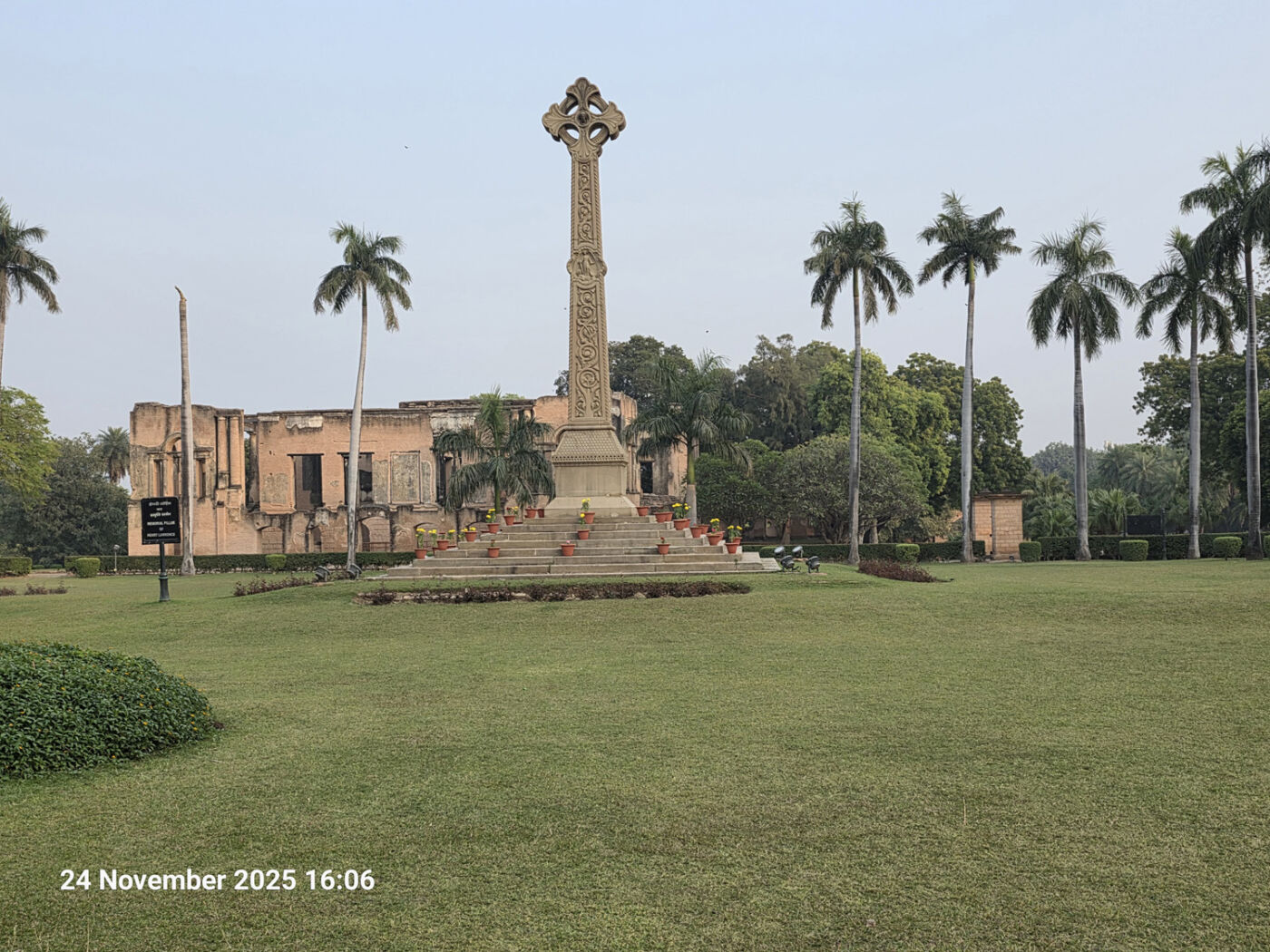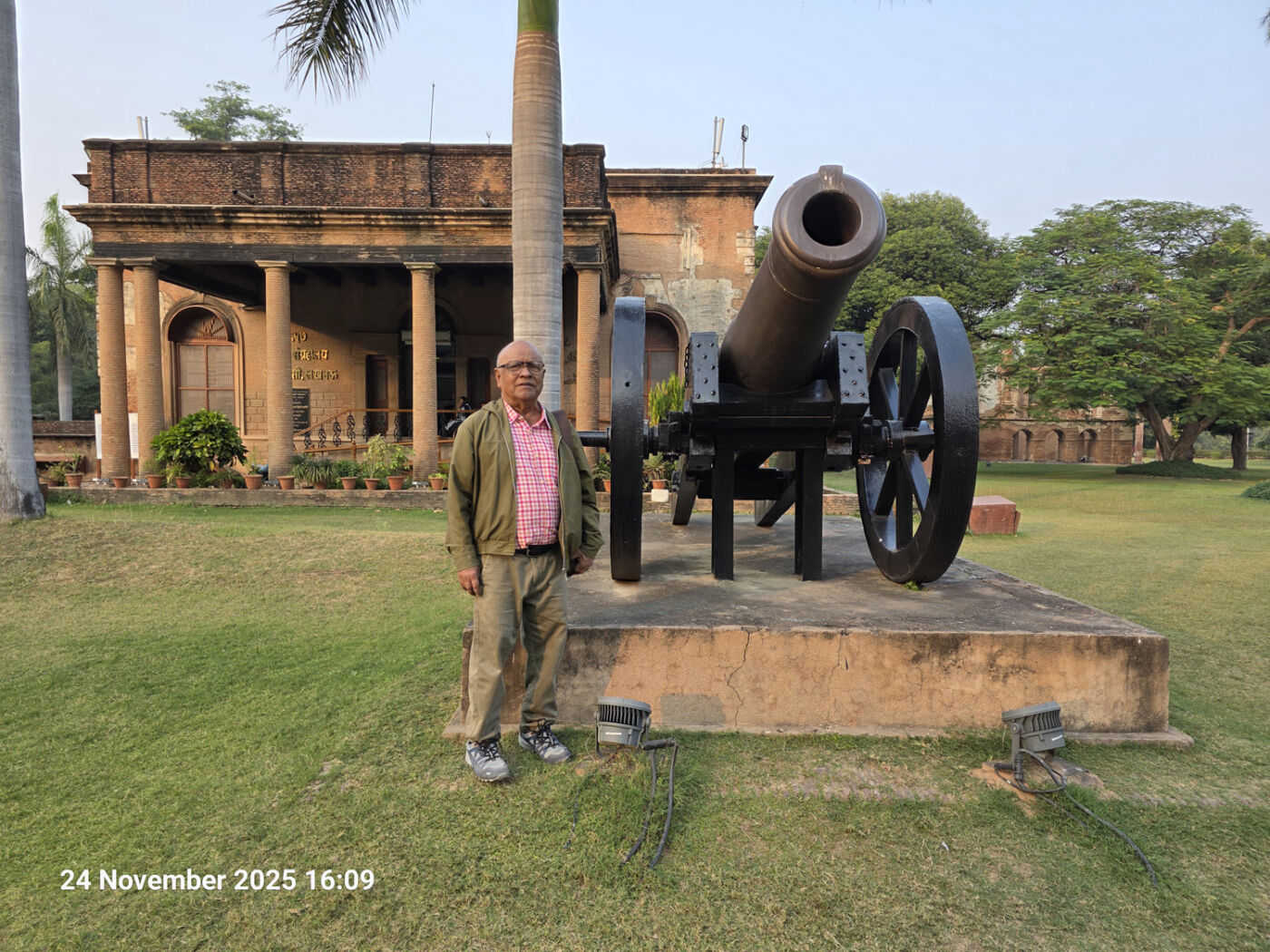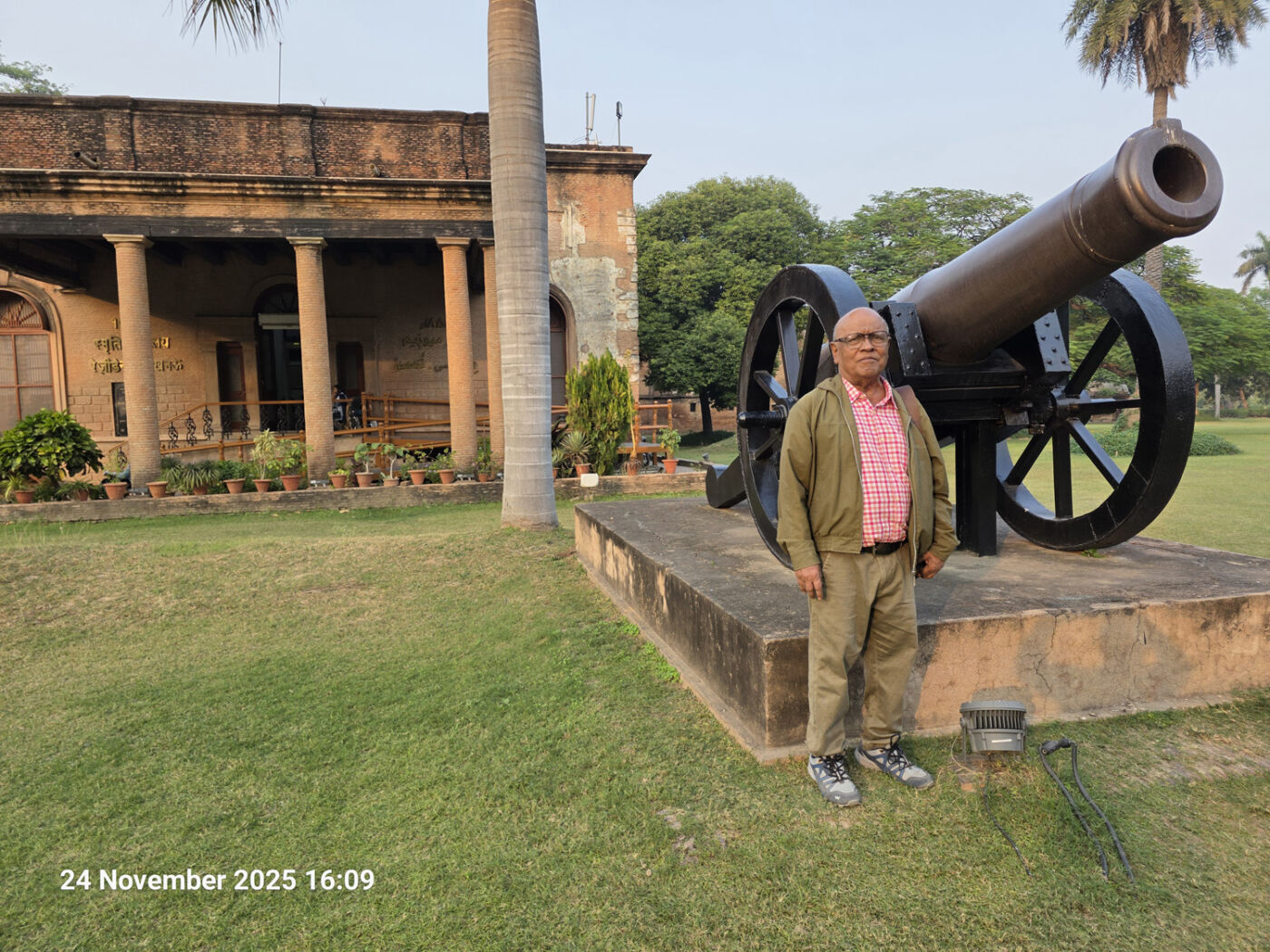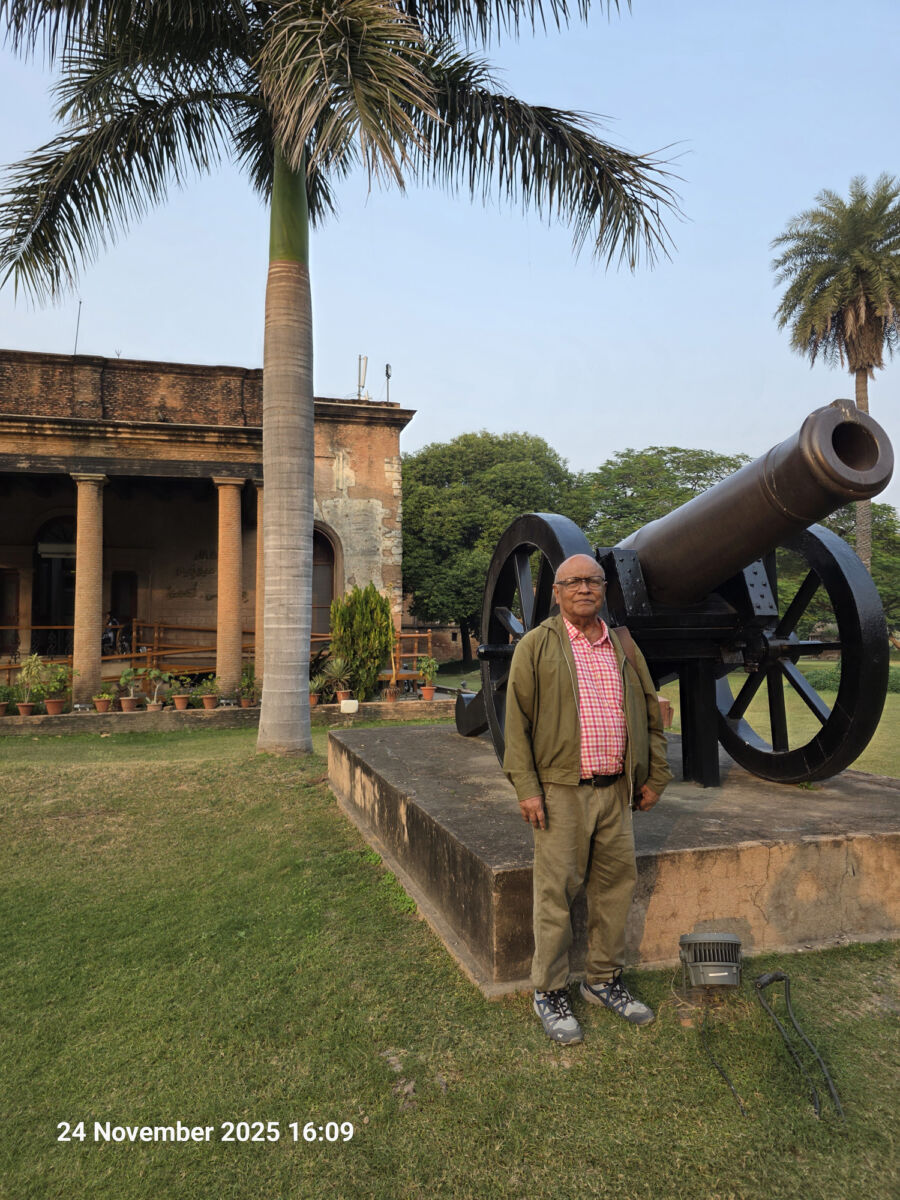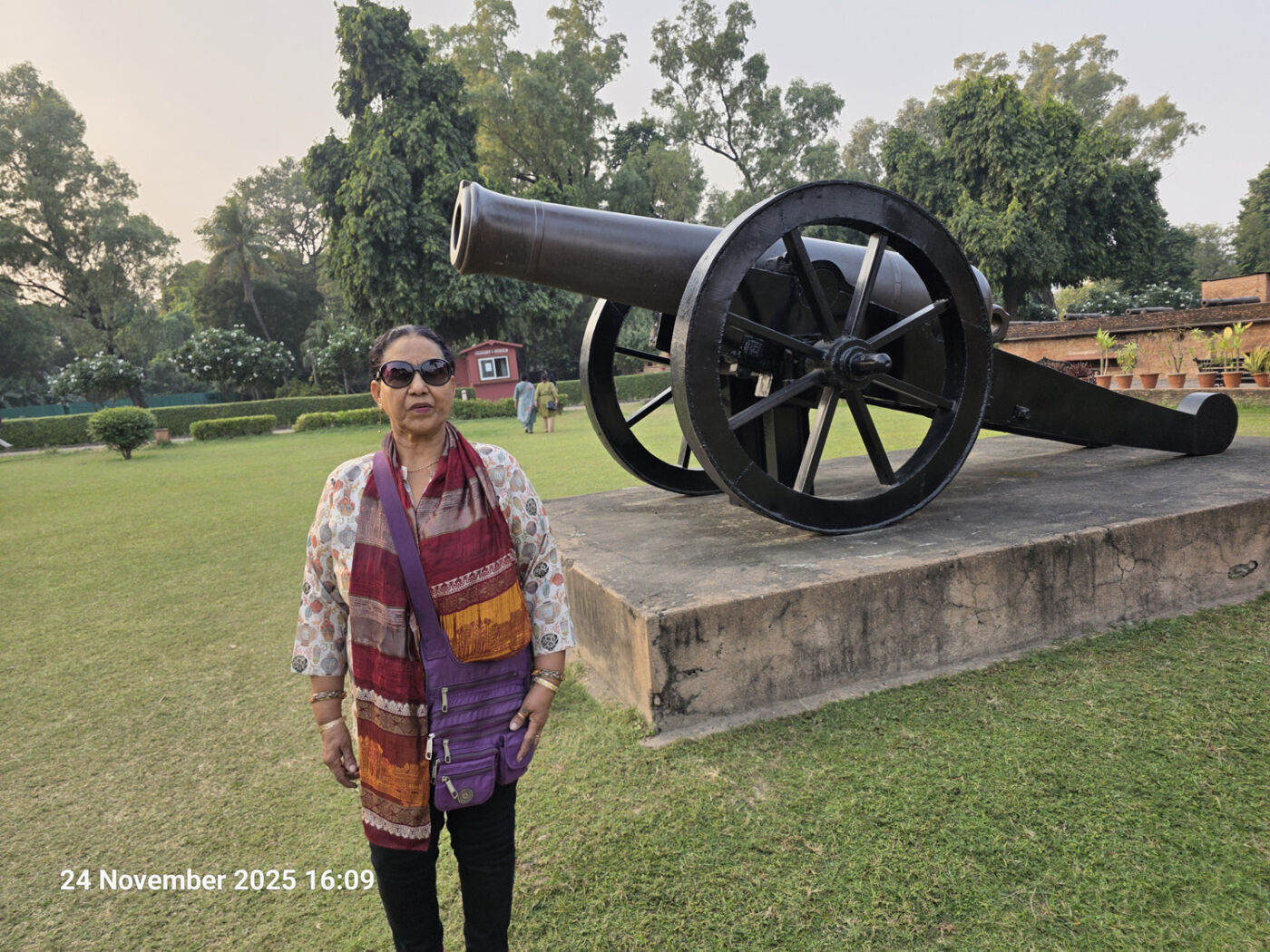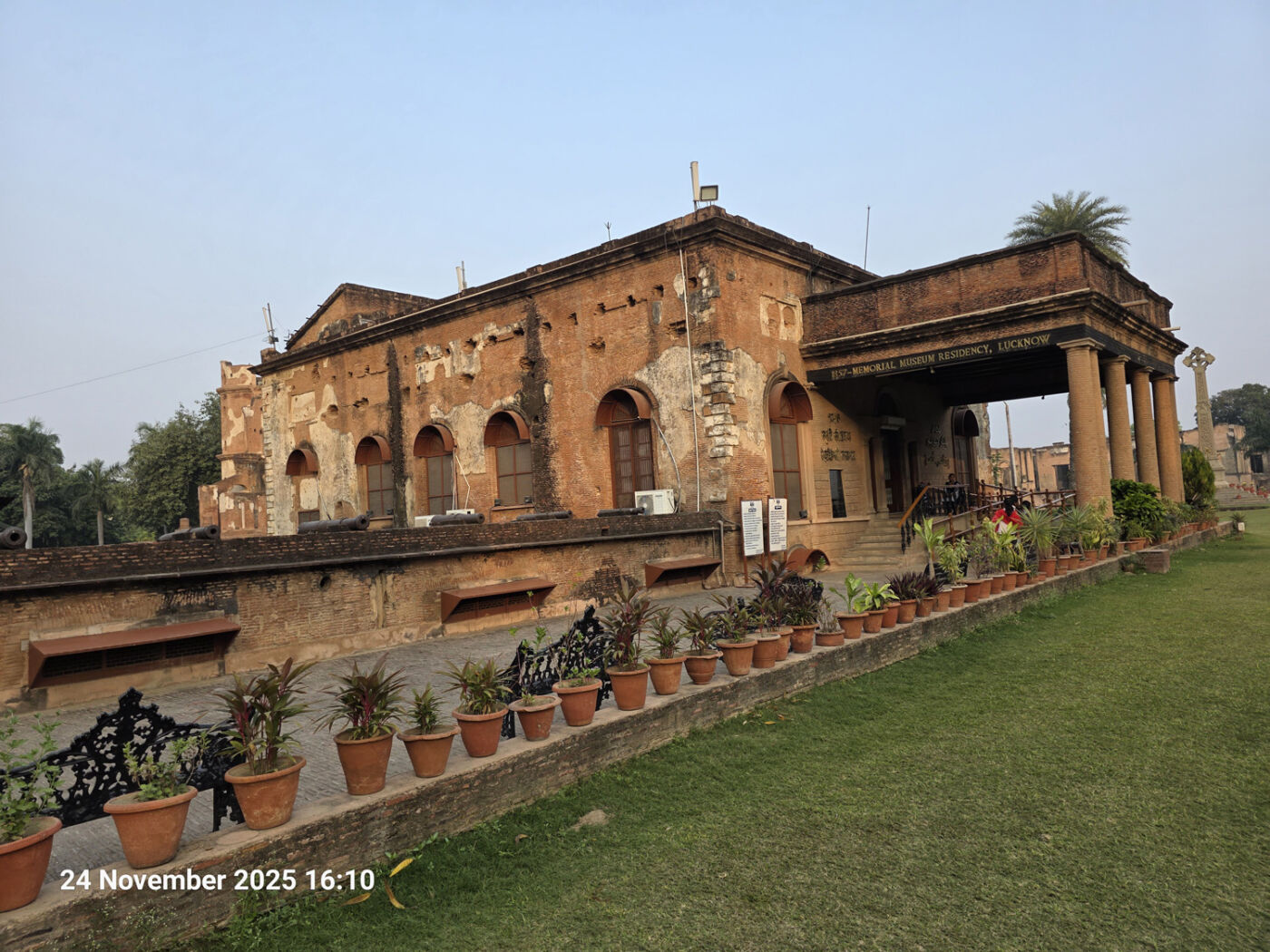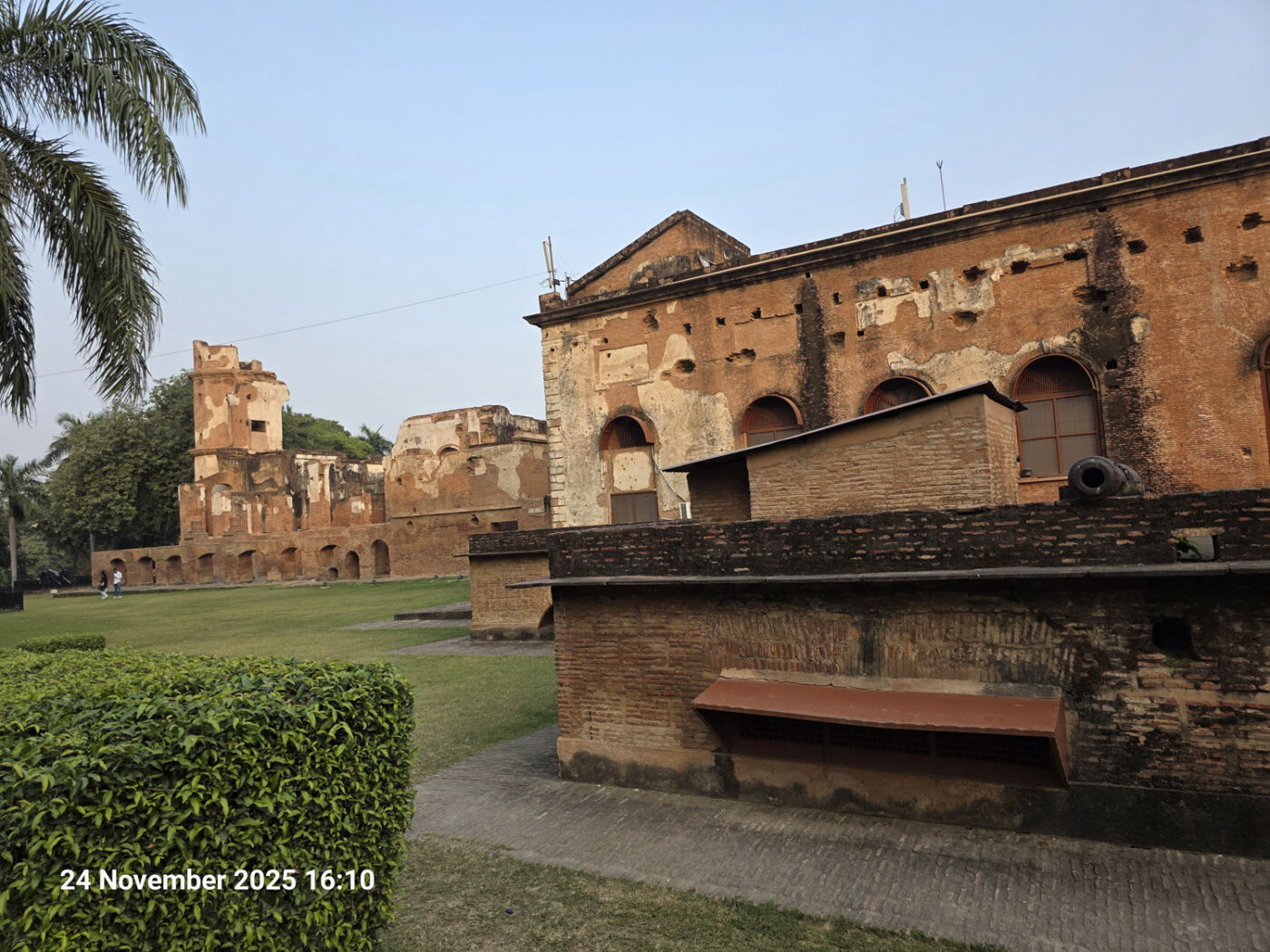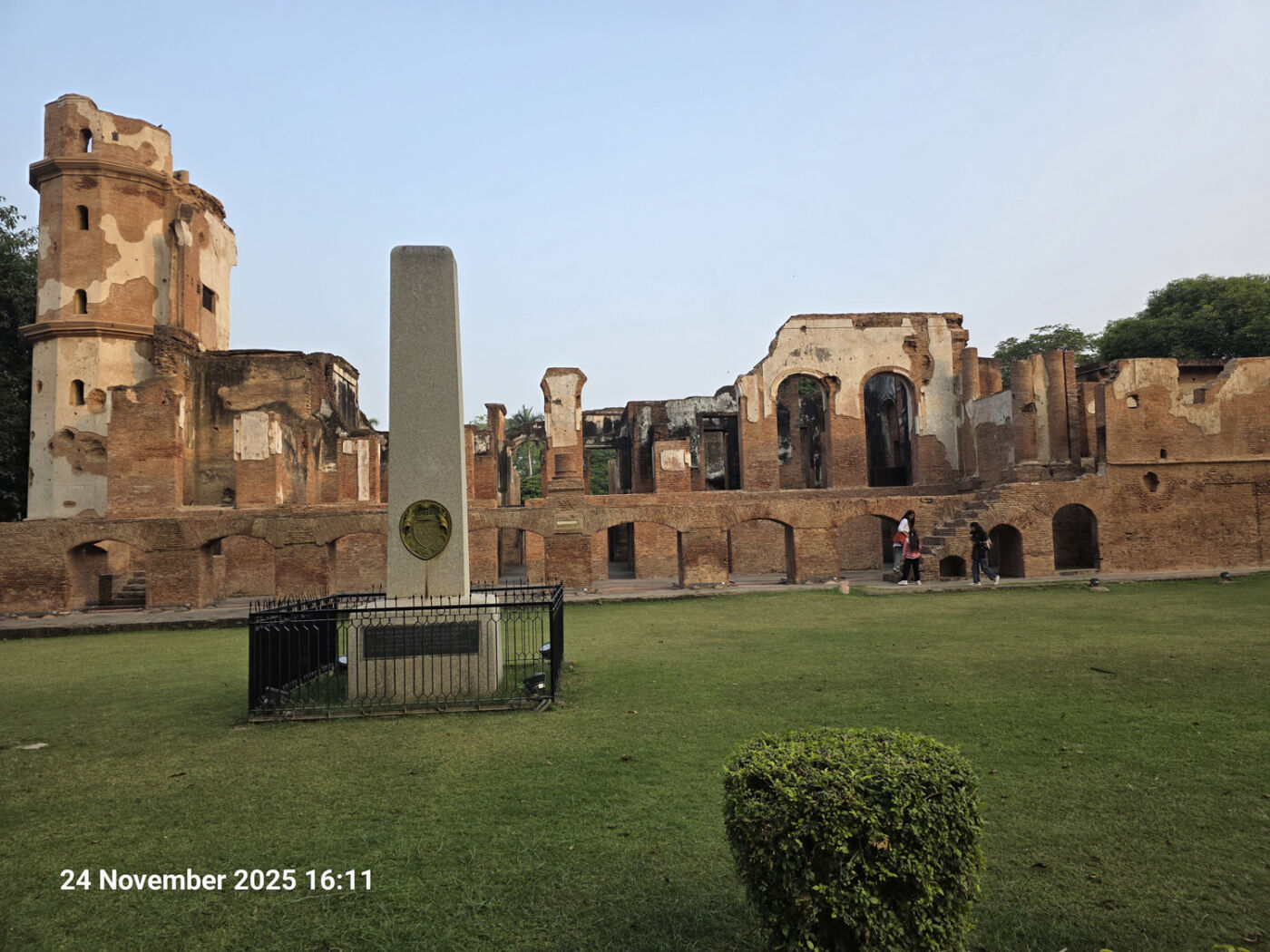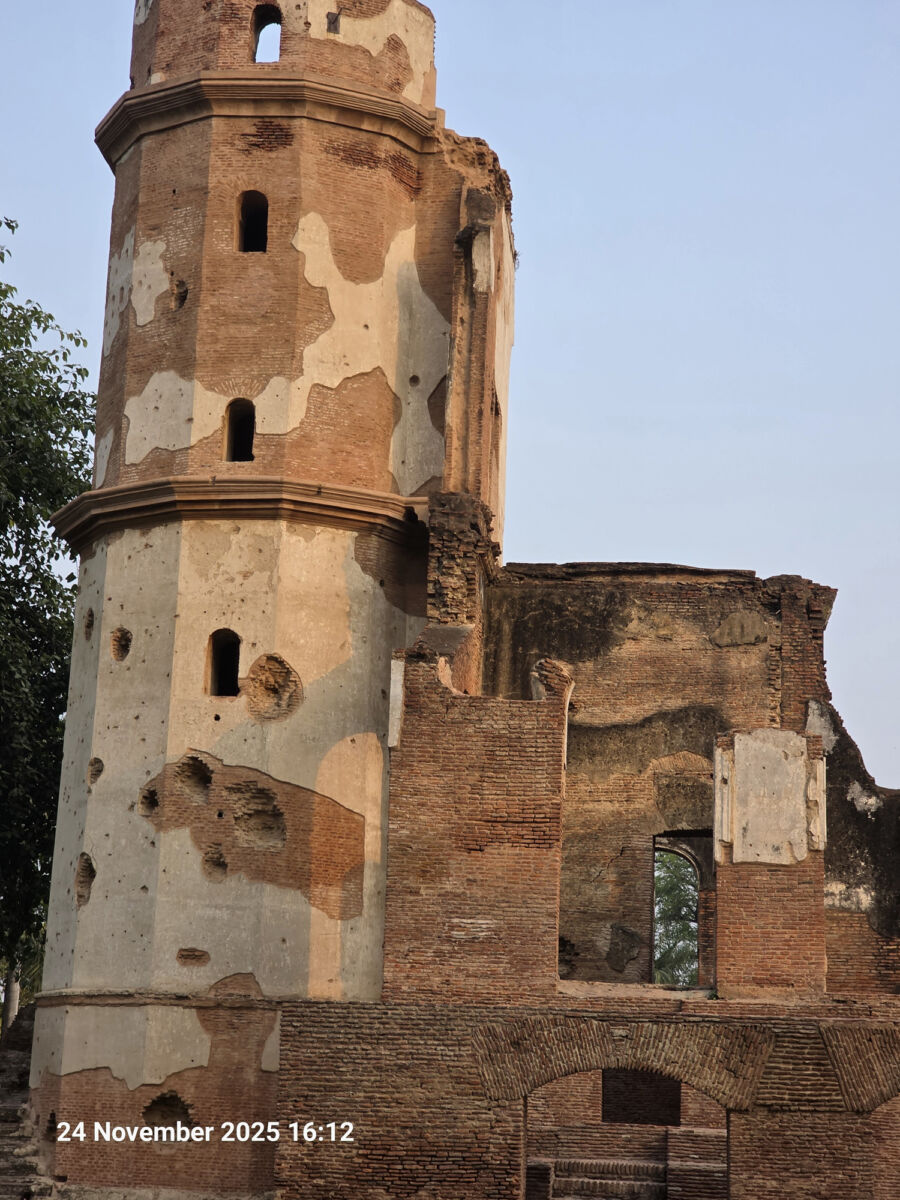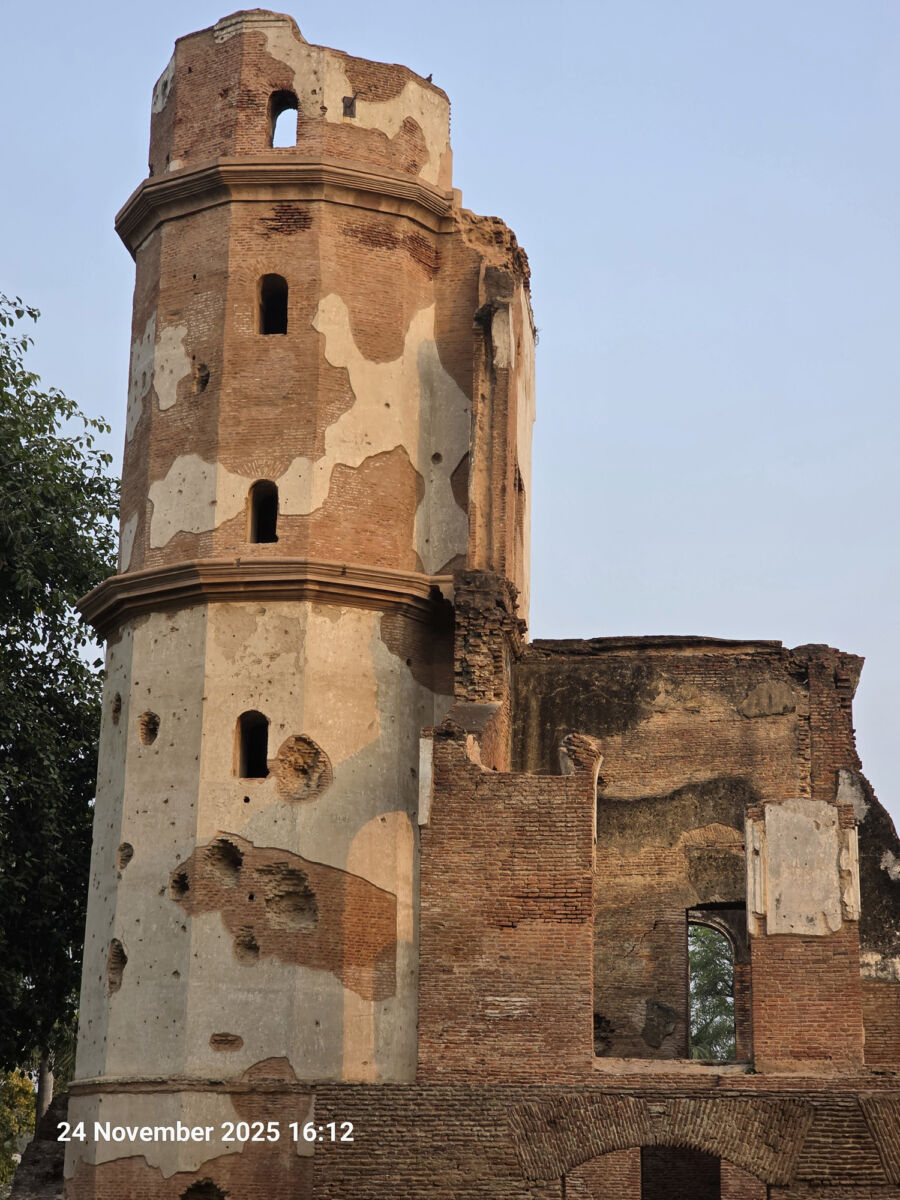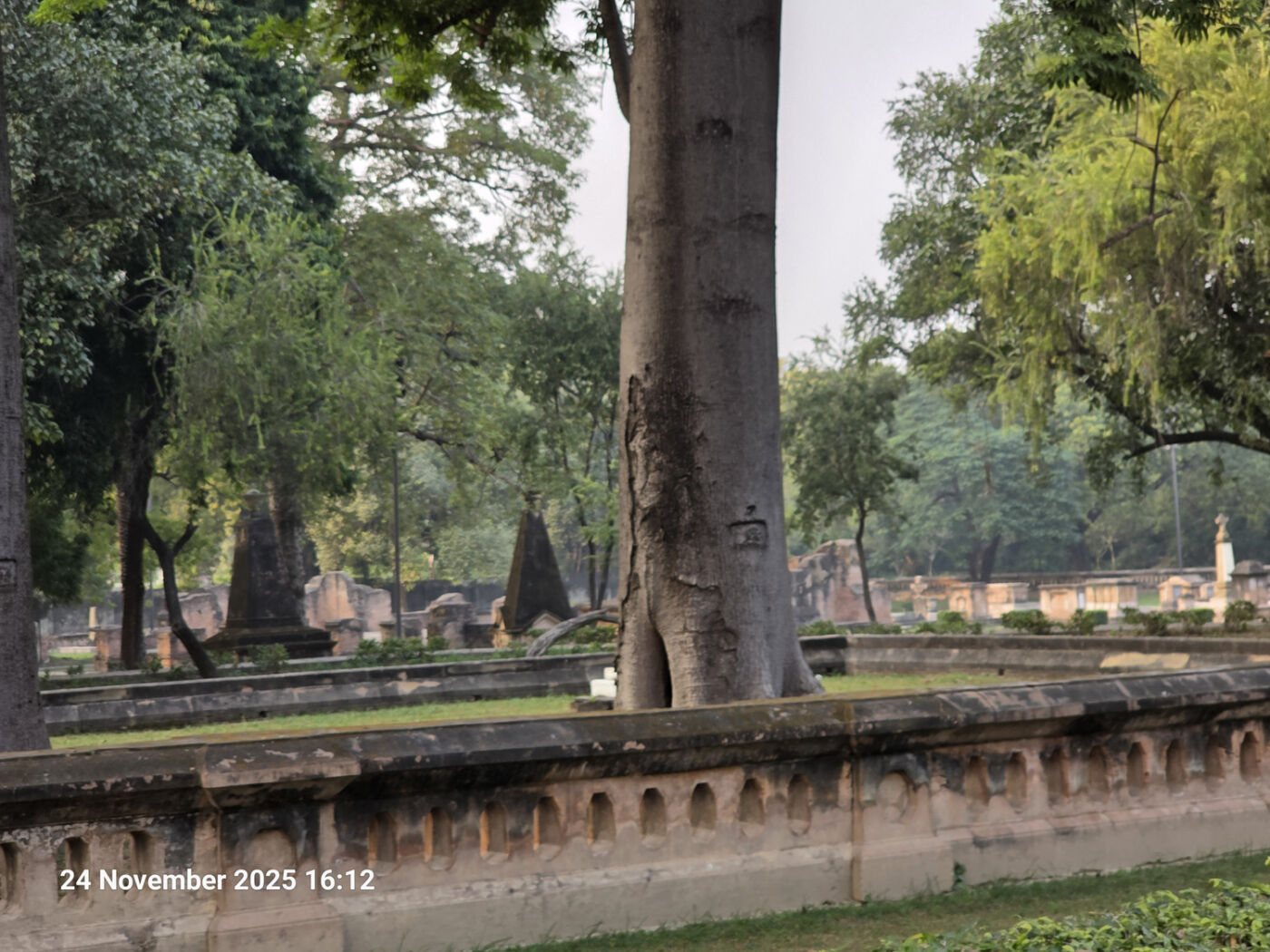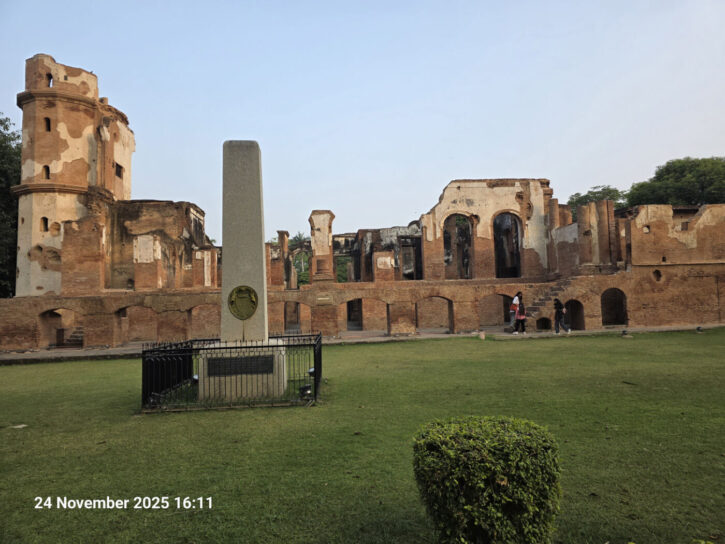
Lucknow, the capital of Uttar Pradesh, is a city with a rich history rooted in both mythology and the opulence of the Nawabs. Believed to be founded by Lakshmana (brother of Lord Ram) as Lakhanapuri, it later became the vibrant cultural, artistic, and administrative hub of the Awadh region, particularly under the reign of the Nawabs in the 18th and 19th centuries.
Key aspects of Lucknow’s history include:
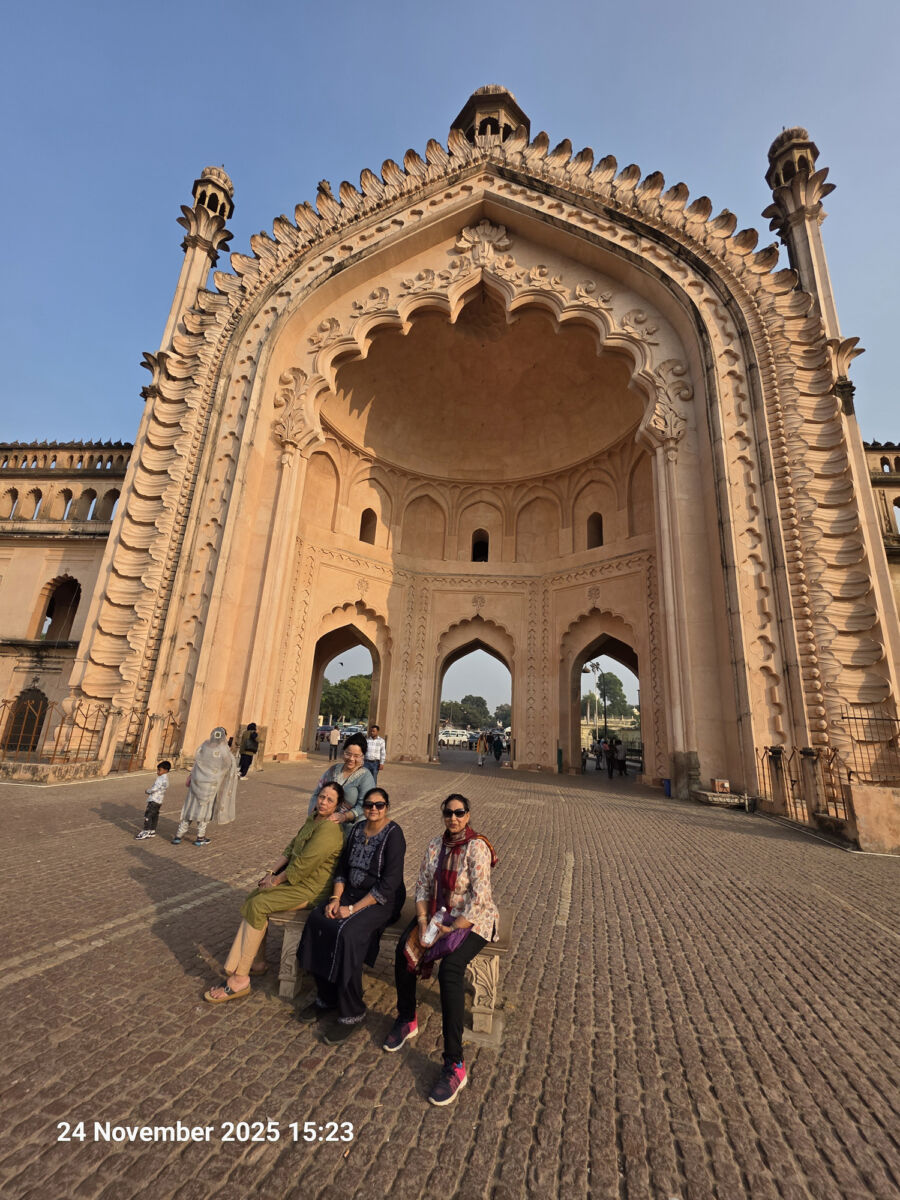
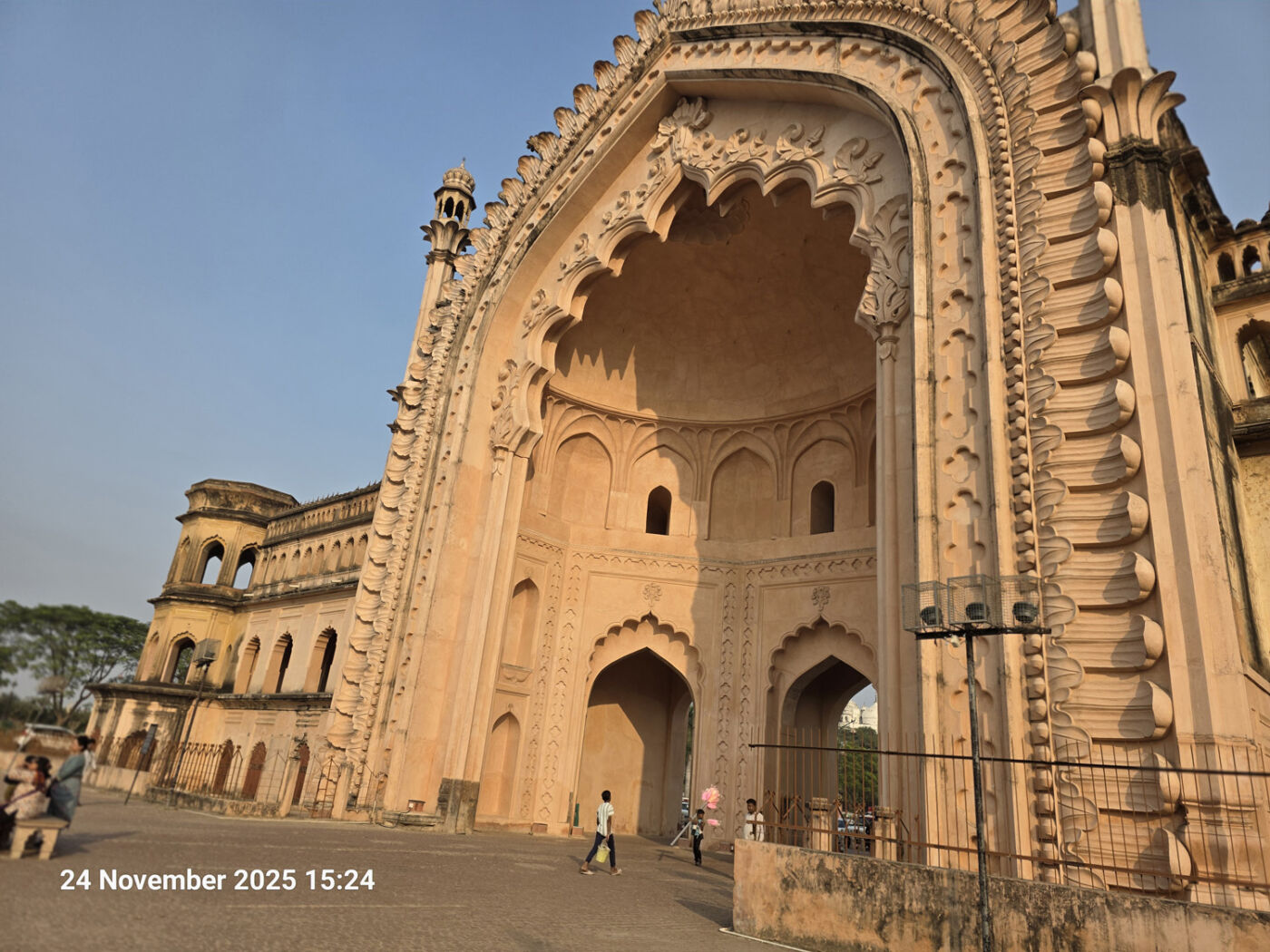
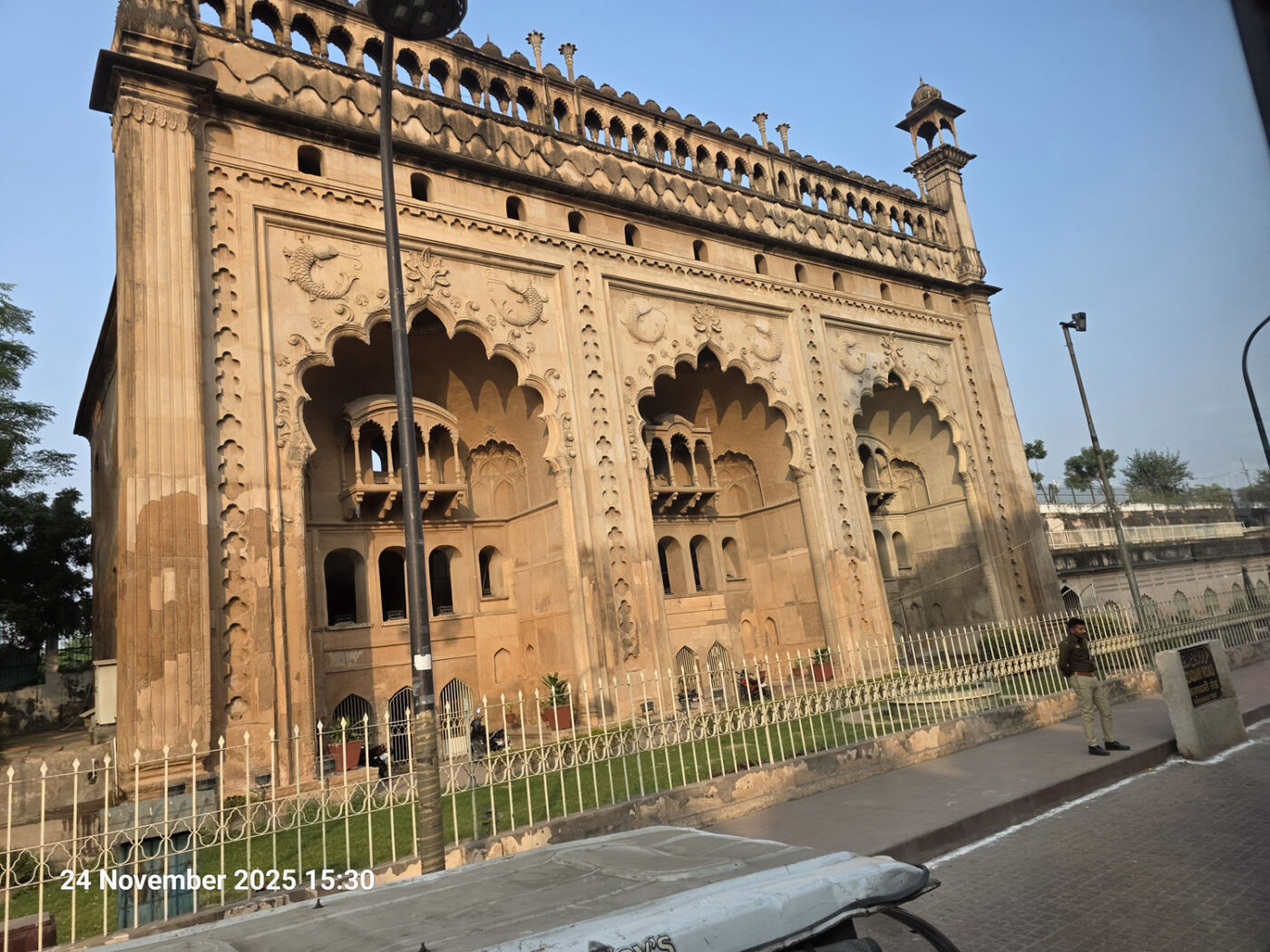
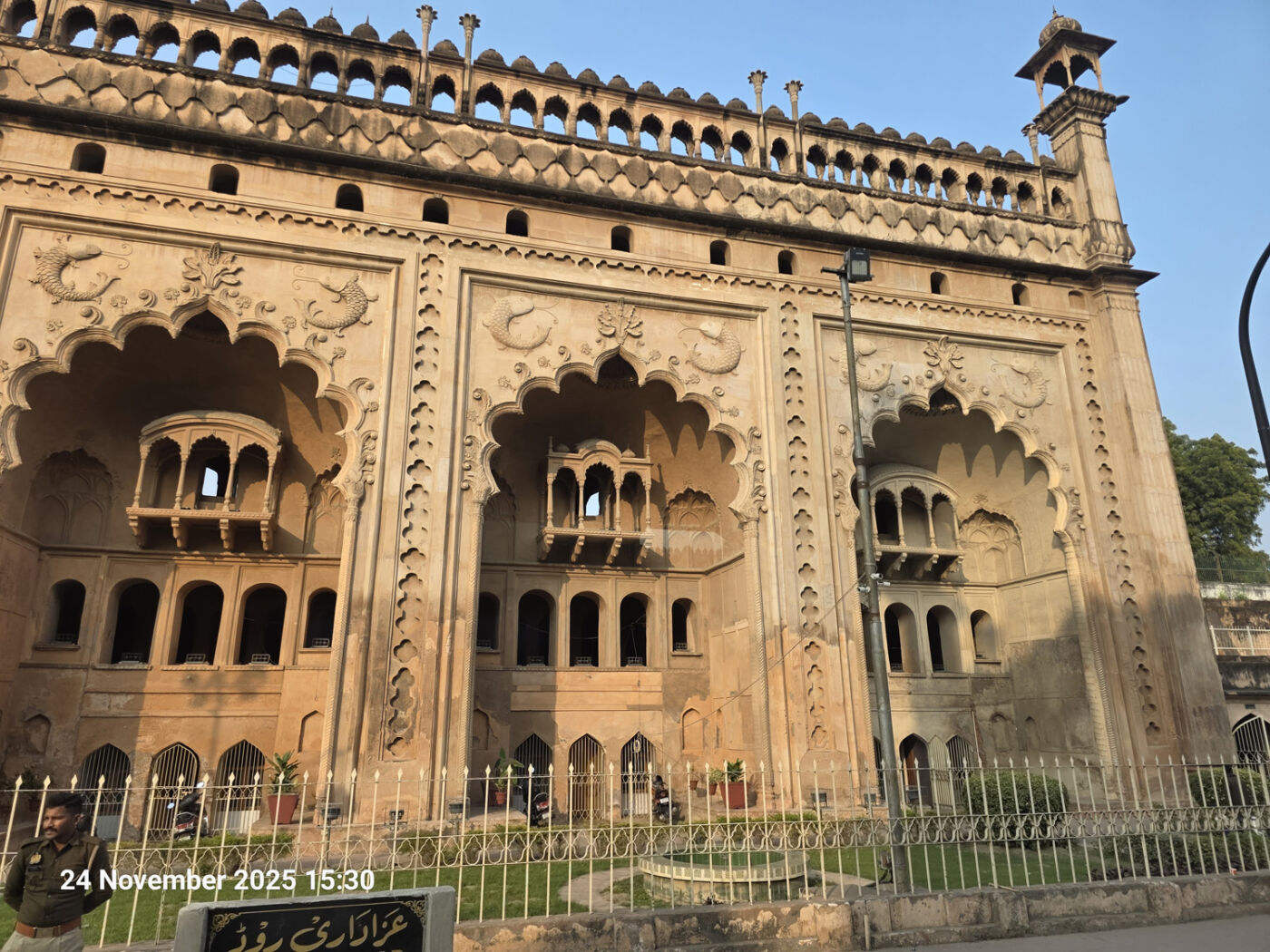
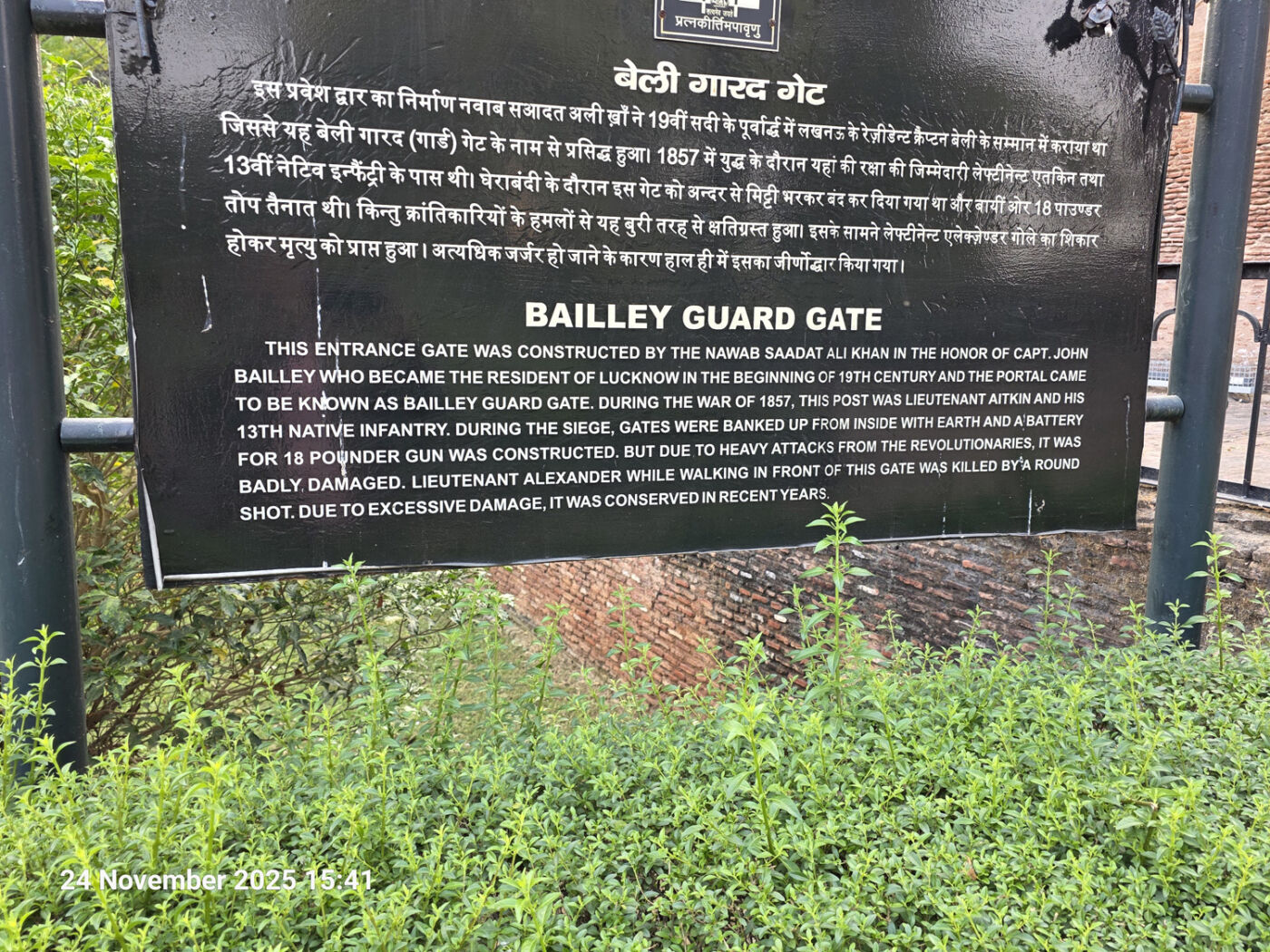
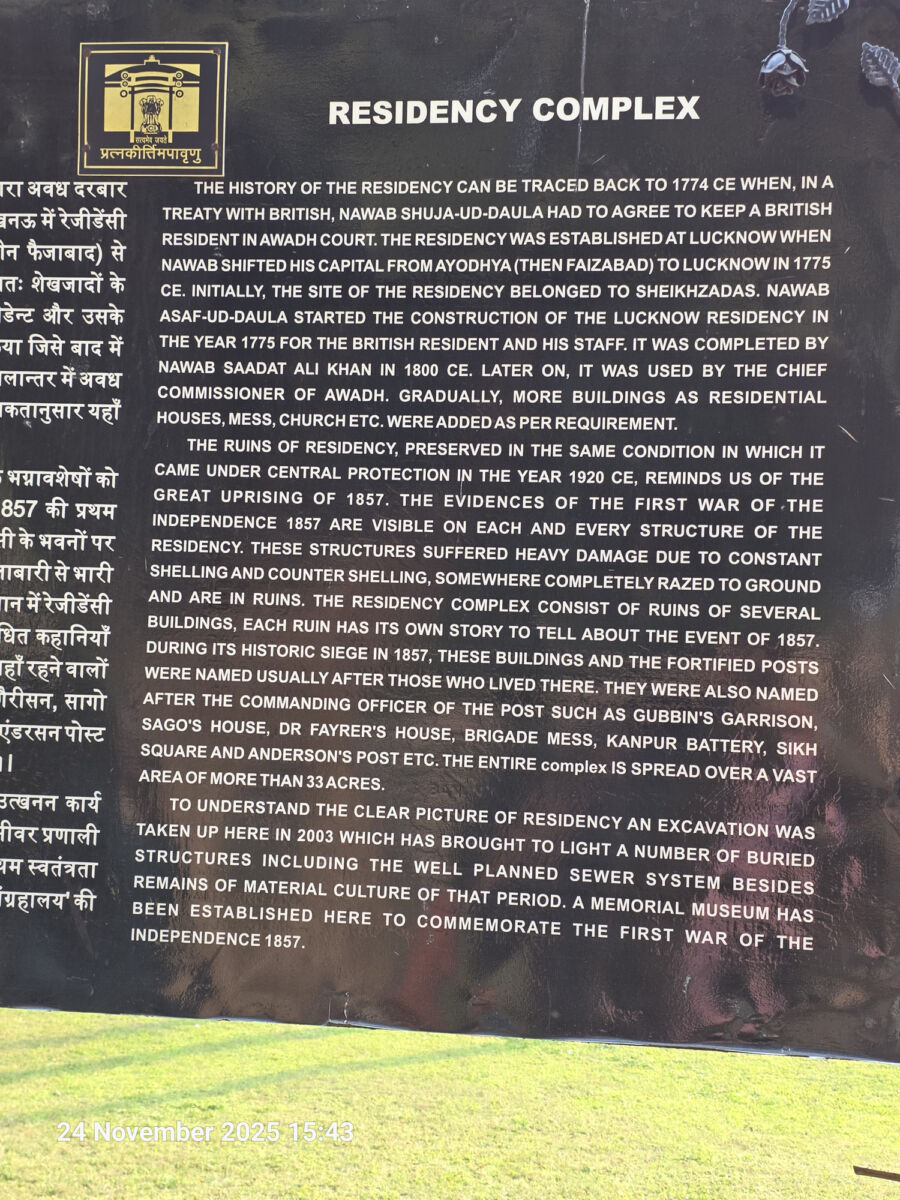
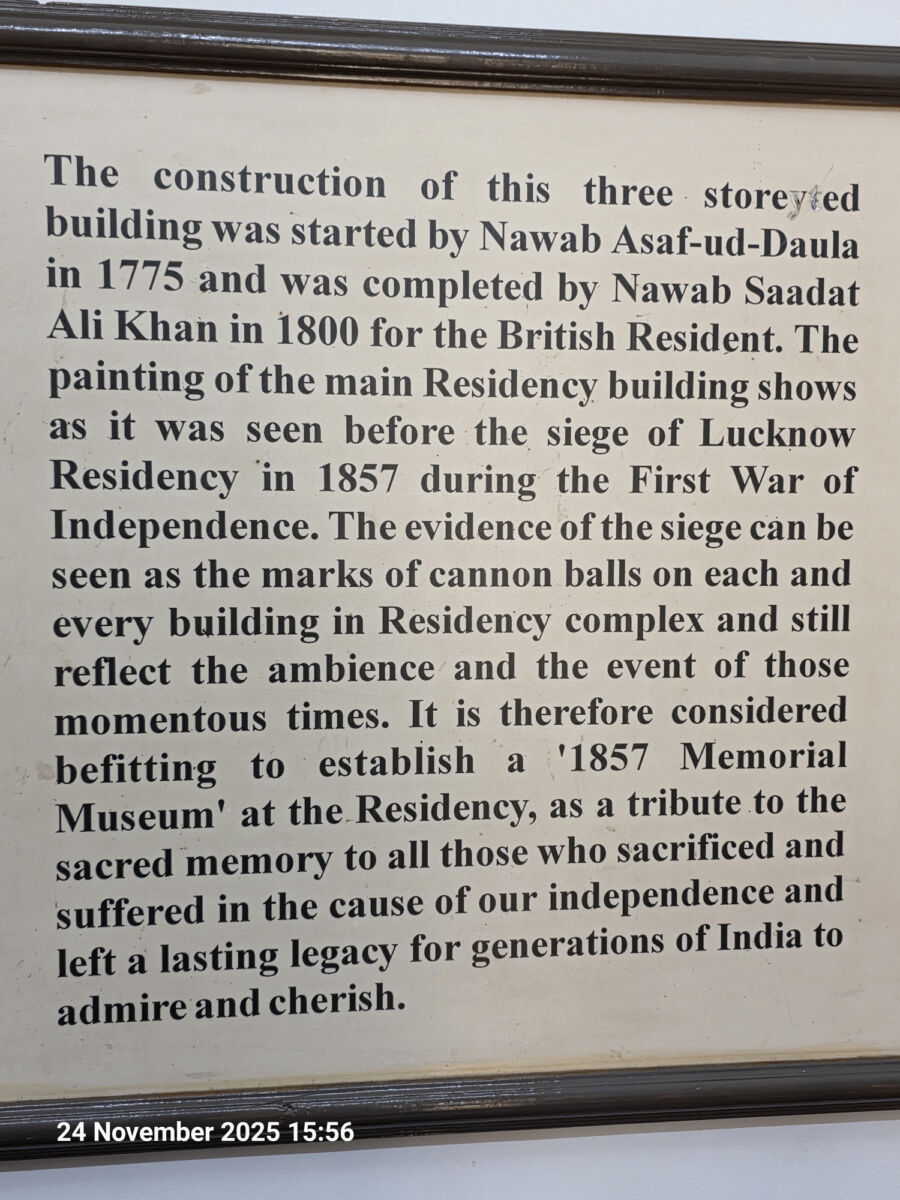
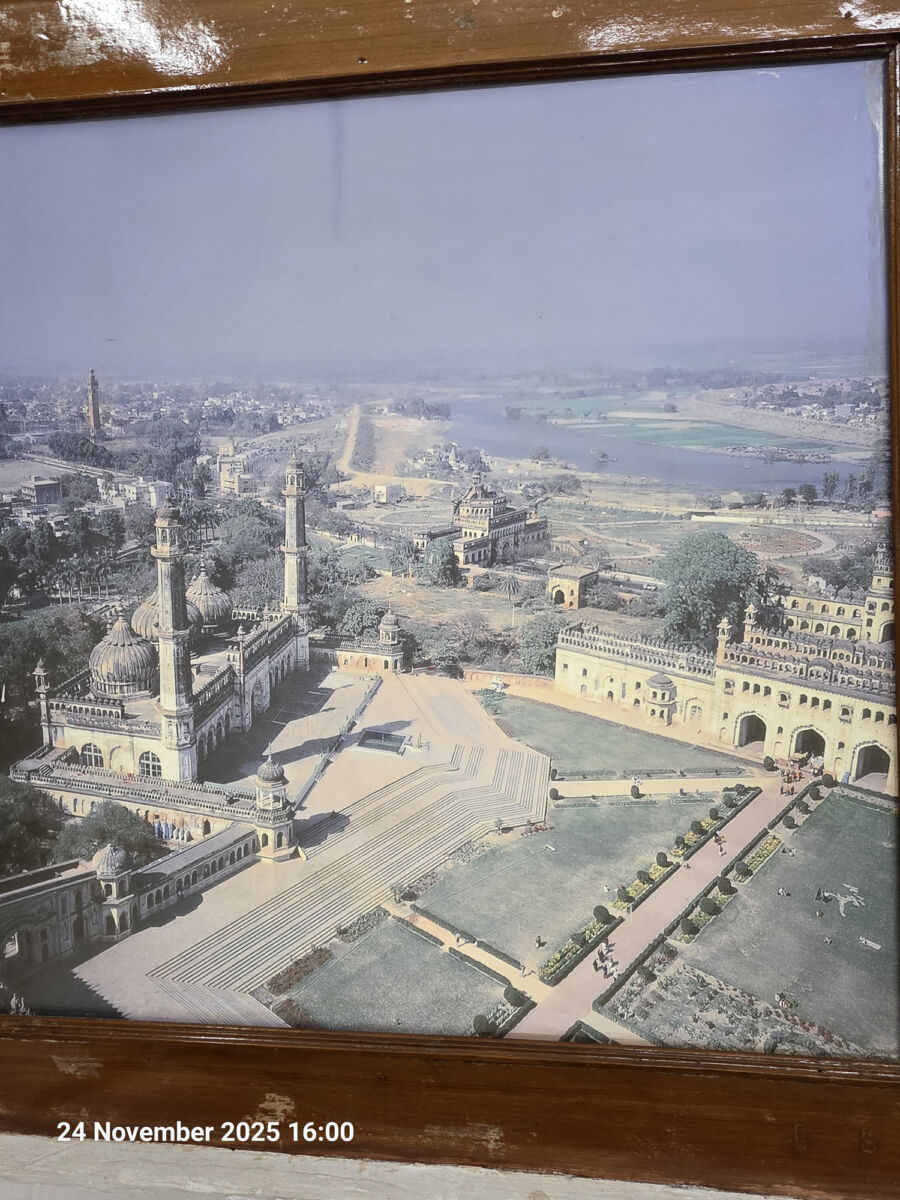
Ancient Origins: Legend suggests Lakshmana established the city, originally called Lakshmanavati or Lakhanpur. The Nawabs of Awadh: In 1724, the foundation of the Kingdom of Awadh was laid. In 1775, NawabAsaf-ud-Daula shifted the capital from Faizabad to Lucknow. Cultural Zenith: The city flourished as a center for poetry, music, dance, and etiquette, earning its reputation as a “City of Nawabs” and “City of Tehzeeb”. Architectural Heritage: The Nawabs built iconic monuments, including RumiDarwaza, marking the unique Lucknowi style of architecture.
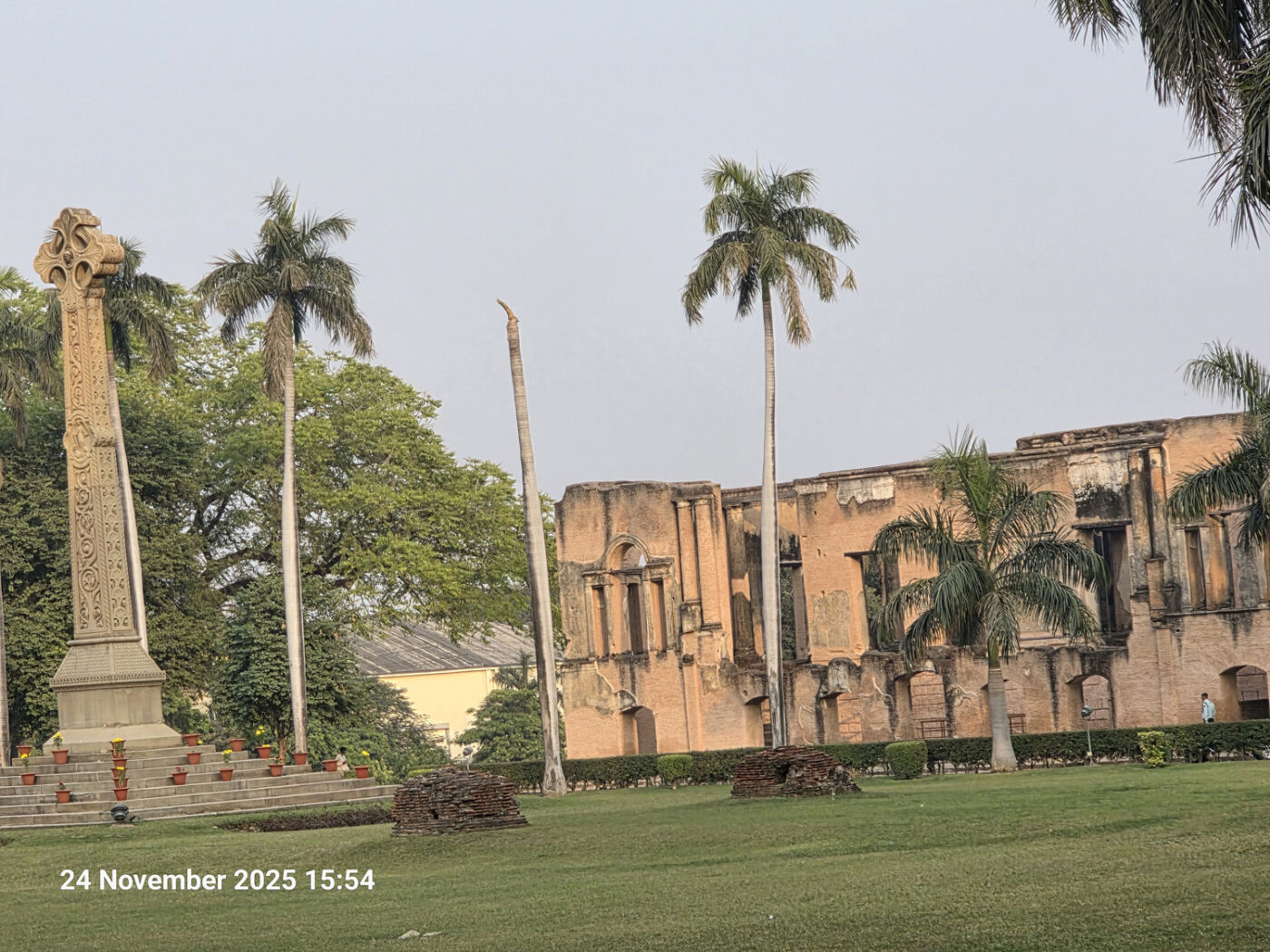
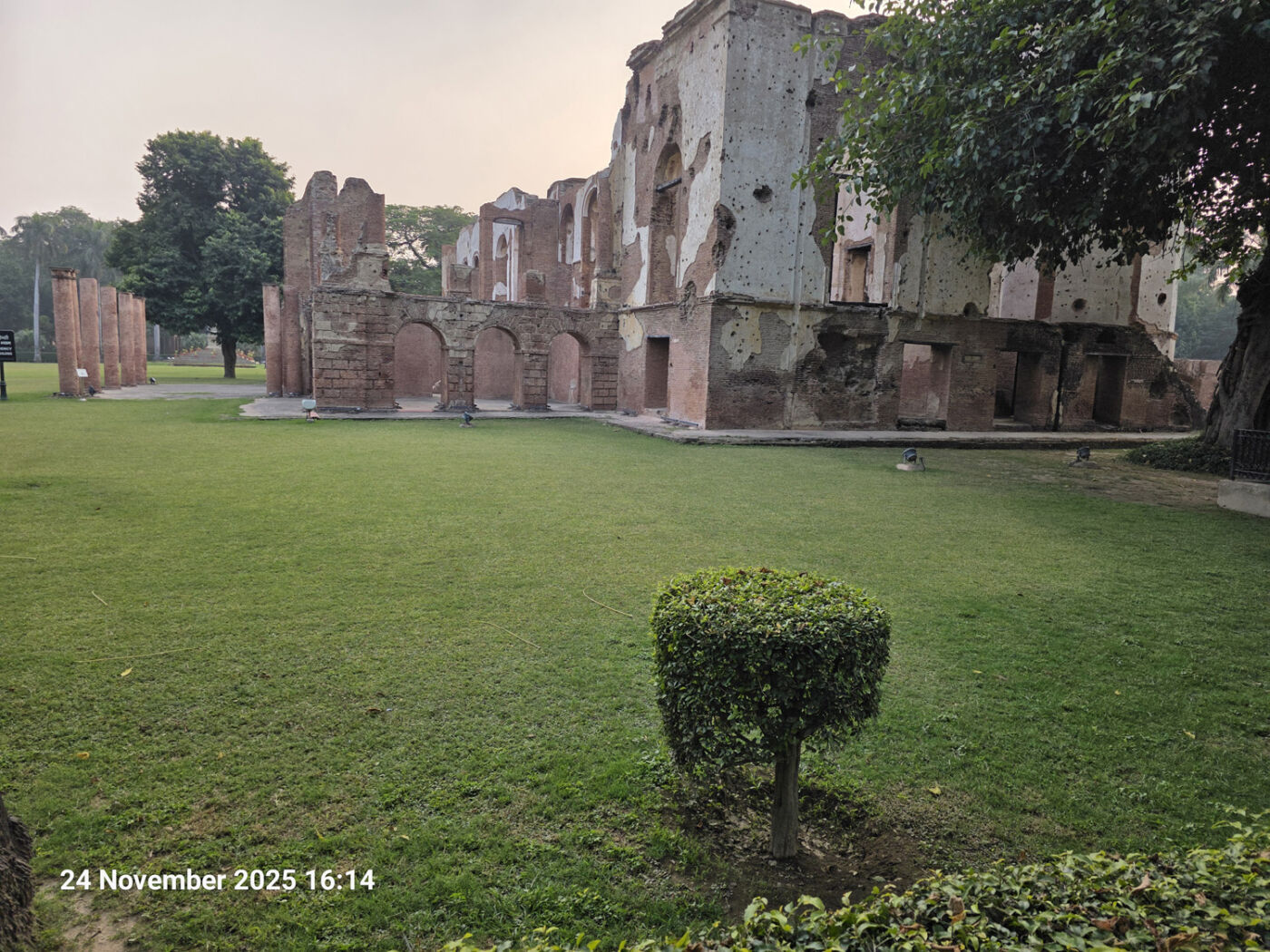
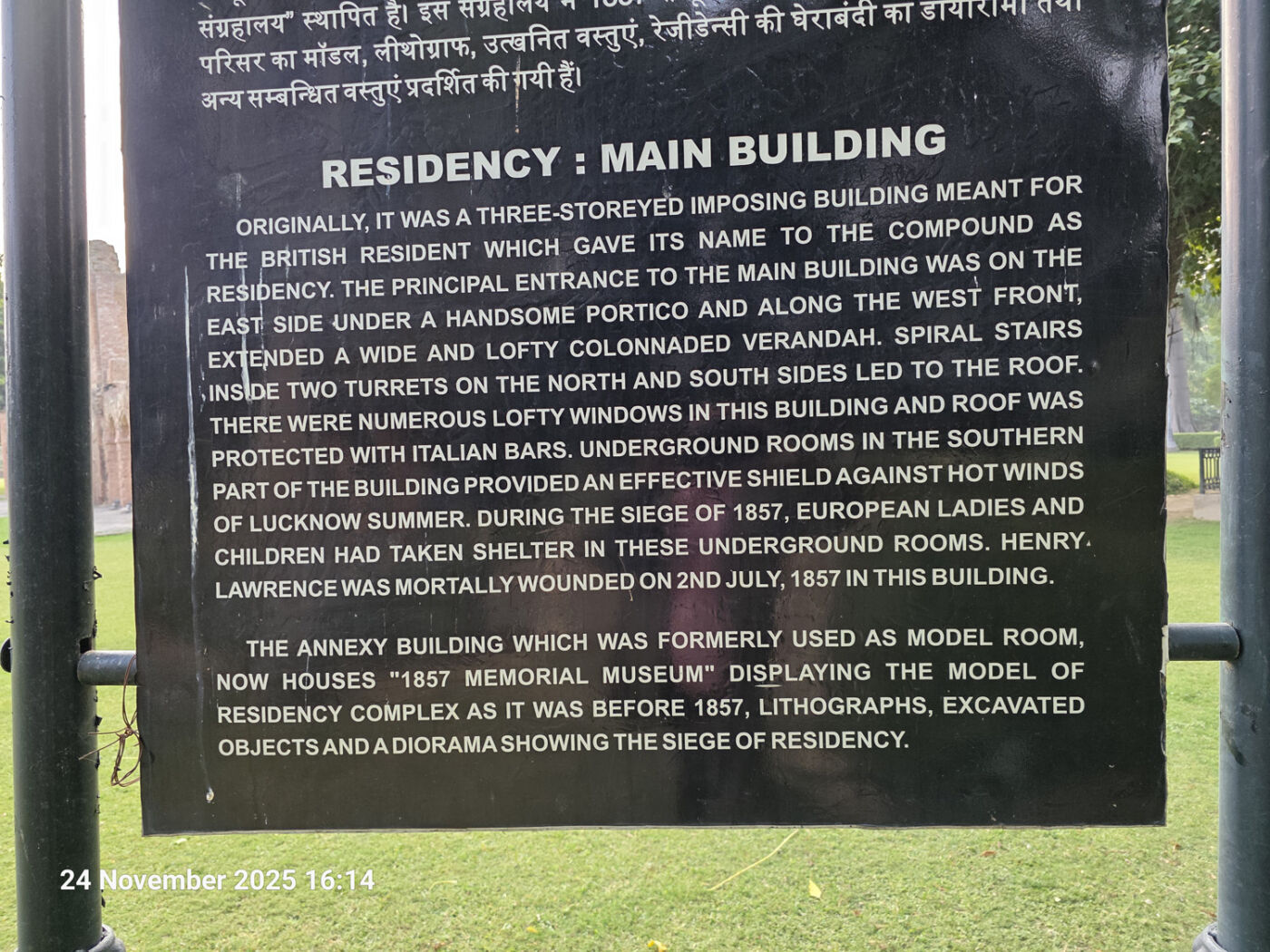
Colonial Period: After the 1857 revolt, the city, like the rest of the region, came under British administration, becoming part of the United Provinces of Agra and Oudh. Modern Era: Post independence, it became the capital of Uttar Pradesh, retaining its historical charm while developing into a major modern city.